Dairy cow treed-area study set for 9 October 2026 release
The Journal of Dairy Science will publish a paper on 9 October 2026 asking whether grazing dairy cows voluntarily use treed areas, framed as a question of animal agency.
Updated
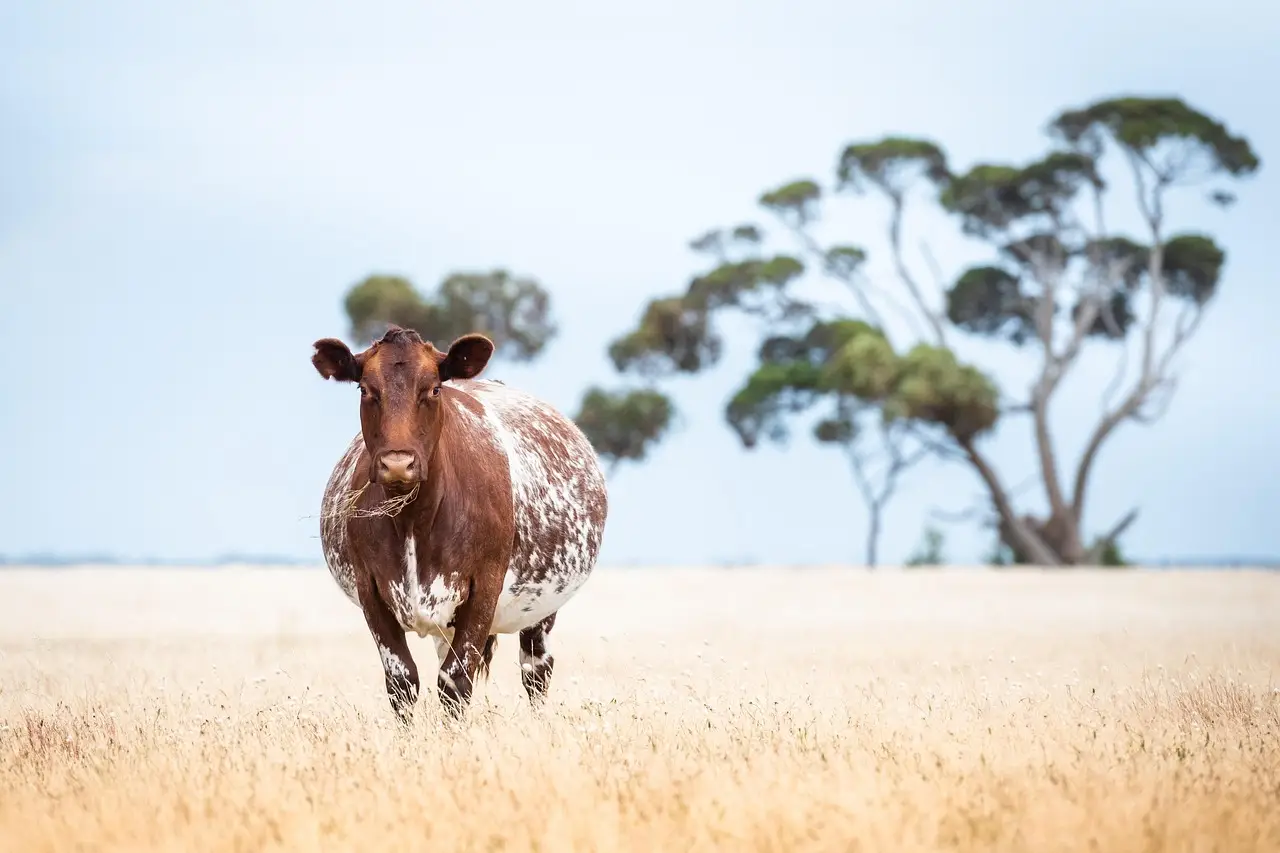
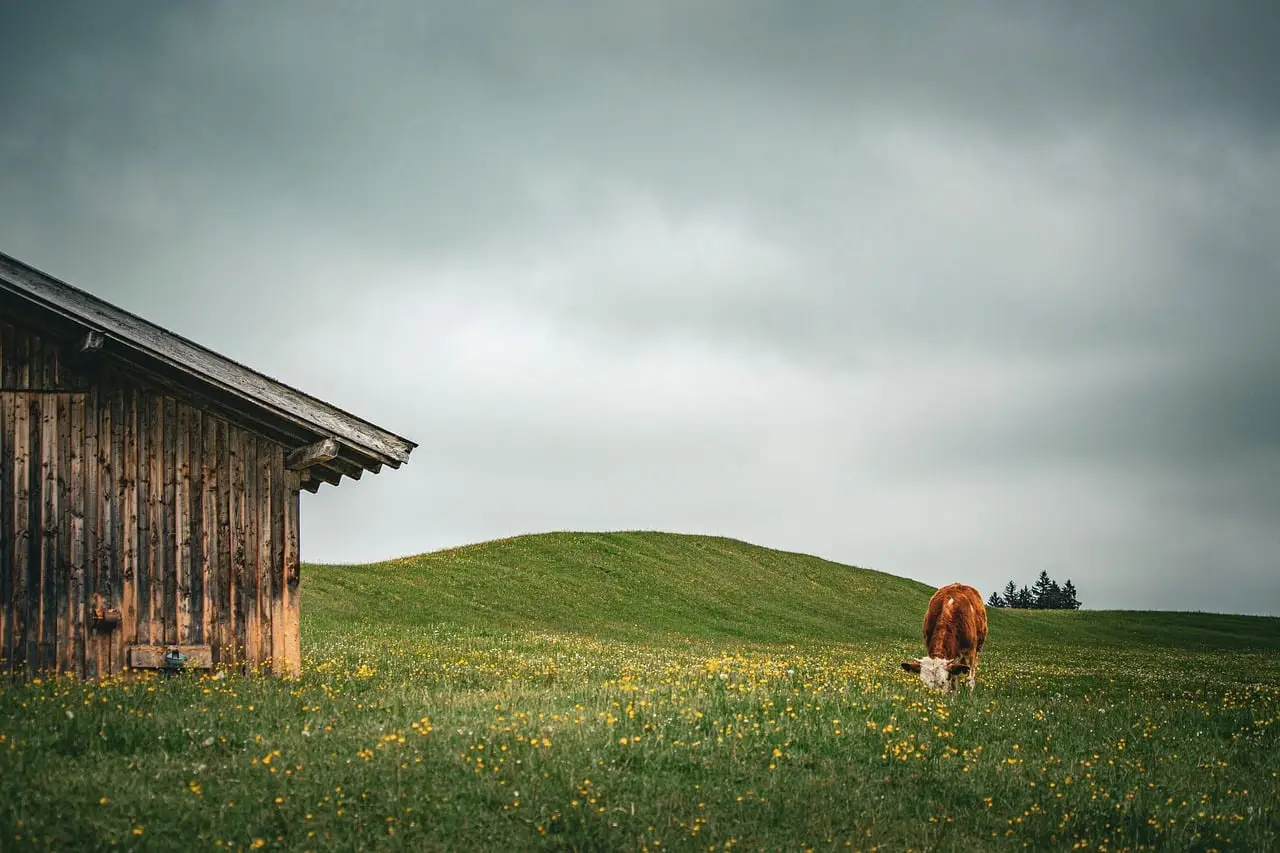
Photo: AnNeef / pixabay
A new paper that asks whether grazing dairy cows will choose to use a treed area when one is available will appear in the Journal of Dairy Science on 9 October 2026, framing the question as one of animal "agency" rather than only shade provision.
The study, titled "Increasing agency in grazing dairy cows: Voluntary use of a treed area," is authored by Gosia Zobel, Chris R. Burke, Alex Crosbie, Lindsay Matthews, and J. Paul Edwards. The full text will be available online from that date.
What does "agency" mean in this context?
In welfare science, agency describes an animal's capacity to make choices and act on its environment to reach a goal. Researchers use the term to capture the gap between an animal that merely survives and an animal that has measurable control over its day. Cows express agency through small, countable acts: choosing where to lie down, when to drink, and which part of a paddock to graze. A treed area, in that framing, becomes a test of whether a cow will move toward a resource when the option exists.
That framing differs from the older shade-and-heat-stress literature, which measures outcomes such as skin temperature, respiration rate, and milk yield in the presence of trees. The two approaches are not opposed, but they ask different questions. The Zobel team, based on the title, appears to be running the behavioral question first and welfare outcomes second.
Why a treed area, and why now?
Pasture-based dairy systems in temperate climates often include shelter belts, riparian margins, woodlots, or individual shade trees within or adjacent to paddocks. The traditional justification for retaining these features has been environmental — erosion control, biodiversity, and shade — and production-related: heat load, lameness, and fly pressure. A paper that centers voluntary use adds a behavioral layer: the cow's own selection among options on offer.
That addition carries practical weight for the dairy sector. If cows elect to use trees when trees are available, the resource shifts from an amenity farmers tolerate to a feature welfare programs could formally score. Welfare assessment schemes in dairy already grade access to lying surfaces, feed, and water; the Zobel paper sits in a line of work that asks whether choice itself belongs on the checklist.
What to watch when the paper publishes
Three items will matter most to practitioners when the full study is available:
- Sample size and herd structure, since voluntary-use claims scale with how many cows were observed and for how long.
- How the team defined "use" — time spent, frequency of visits, or both — because these metrics answer different questions.
- Whether the work ran on a commercial farm or a research facility, which determines how directly the findings transfer to barn and paddock decisions.
The Journal of Dairy Science is the flagship peer-reviewed journal of the American Dairy Science Association, with a readership that includes researchers, veterinarians, and extension staff. A paper in that venue reaches the audience most likely to convert voluntary-use findings into on-farm recommendations.
What changes for the exam table or in the barn
For the practicing dairy veterinarian, the practical translation is concrete. When a producer asks whether to retain, restore, or plant trees on a grazed paddock, a paper that frames tree access as a behavioral choice adds a second argument to the case alongside heat-load reduction. Veterinary practitioners who advise on pasture layout will be the first to translate the 9 October 2026 findings into client conversations about tree retention and paddock design.
Source: Journal of Dairy Science (Elsevier)
Amara Osei
Show full bio
Correspondent covering companies, deals and strategy in Small- and large-animal clinical practice at The Vet Scope.
Related articles
FAO urges stronger One Health push for grassland livestock
Heat Stress in Dairy Herds: What the Manitoba Co-operator Piece Tells Producers
Dairy cow behavior decoded from electronic feeder data
UC Agriculture and Natural Resources Publishes Livestock and Rangeland Recovery Guidance
Bovine Veterinarian Tackles AI Implementation in Practice