Heat Stress in Dairy Herds: What the Manitoba Co-operator Piece Tells Producers
The Manitoba Co-operator runs practical cooling guidance for dairy herds. Here is what the headline signals, and what to ask before the next heat event.
Updated
Photo: Leuchtturm81 / pixabay
The Manitoba Co-operator has published a piece titled "Heat stress and dairy: How to keep cattle cool," directing Prairie dairy producers toward management strategies for one of the most predictable production losses of the summer season.
The source itself arrived as a headline and byline only — a Google News syndication link without the full body text. That constraint matters for how the story should be read. What follows is an account of what the source states, plus a clear flag on what it does not state. Veterinarians advising dairy clients should treat the underlying article as the reference of record.
What the source actually says
The headline makes one claim plainly: heat stress is a dairy problem, and cooling cattle is the management response. The title frames the piece as practical guidance — "how to keep cattle cool" — rather than as a research report or a policy item.
No numbers, no named interventions, and no study findings appear in the syndicated fragment. That absence limits what can be responsibly reported here. This outlet does not add facts a source does not contain.
Why the topic matters at the farm gate
Heat stress in lactating dairy cows is a well-recognized driver of lost milk output, reduced feed intake, and impaired reproduction. Producers in Manitoba and the wider Prairie region face a specific version of the problem: heat events that arrive in short, sharp waves rather than sustained southern-climate heat, which can catch herds without permanent cooling infrastructure.
The Manitoba Co-operator's decision to run cooling guidance signals editorial judgment that the risk is current and actionable for its readership. The piece sits squarely in the food-animal domain. Companion-animal and direct public-health implications are not part of the headline's scope.
What questions should producers bring to the full article?
Any producer or herd veterinarian reading the complete piece should look for several concrete elements:
- Specific cooling methods — shade, ventilation, fans, sprinklers, or a combination, with the conditions under which each pays off.
- Thresholds for action — the temperature-humidity conditions at which the source recommends intervening.
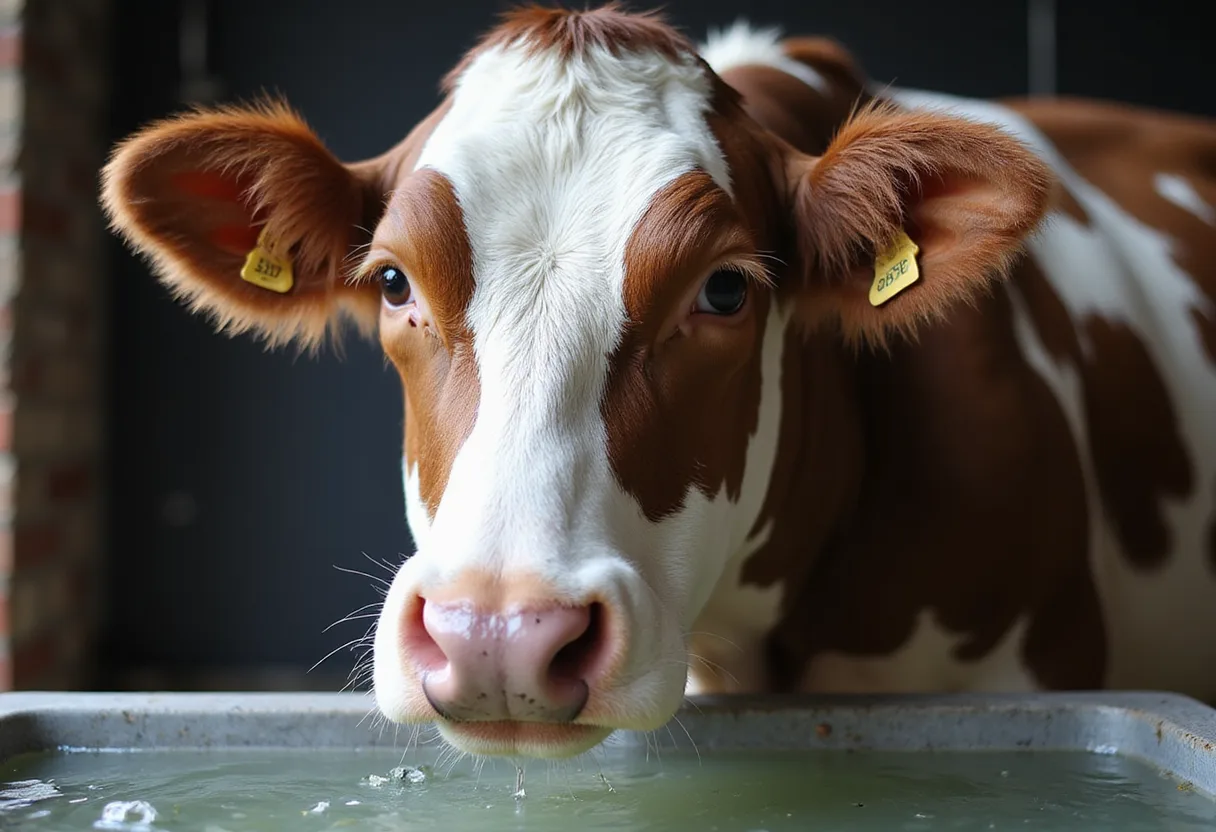
- Water management — access and volume, since intake rises sharply under heat load.
- Feeding adjustments — timing and ration changes that reduce metabolic heat during peak heat hours.
- Regional specificity — whether the guidance reflects Prairie conditions or is adapted from warmer dairy regions.
Each of these is a standard component of heat-stress protocols. Whether the source includes them, and with what detail, requires the full text.
The exam-table and barn-level takeaway
For veterinarians, the practical instruction is simple. Ask dairy clients what their heat-stress plan is before the next heat event, not during it. The Manitoba Co-operator piece gives producers a prompt to have that conversation, and clinicians supplying herd-health services can anchor it to the farm's existing ventilation and water infrastructure.
The story carries no drug, vaccine, or regulatory component — no FDA CVM, EMA, or USDA angle appears in the available material.
What to watch next
The full article, available through the Manitoba Co-operator, will determine whether the guidance is general advice or carries regionally specific numbers. Producers in heat-prone pockets of the province should read it before the next forecast pushes the heat index into the danger zone for lactating cows.
Source: Google News: Livestock health
Grace Kim
Show full bio
Staff writer covering regulation, policy and their impact on Small- and large-animal clinical practice at The Vet Scope.
Related articles
New Meta-Analysis Targets Water Intake Under Heat Stress in Holsteins
Heat Stress Reshapes US Dairy Lactation Curves—Regionally
First-Calving Body Weight Tracks Through to Milk Yield and Culling
Dairy cow treed-area study set for 9 October 2026 release
Clay feed additive failed to rescue milk yield in heat-stressed Holsteins