Over 60% of Connecticut Horses Show Leptospira Exposure, Study Finds
A Connecticut study found over 60% of tested horses seropositive for Leptospira, raising the stakes on uveitis, abortion and zoonotic-risk workups.
Updated
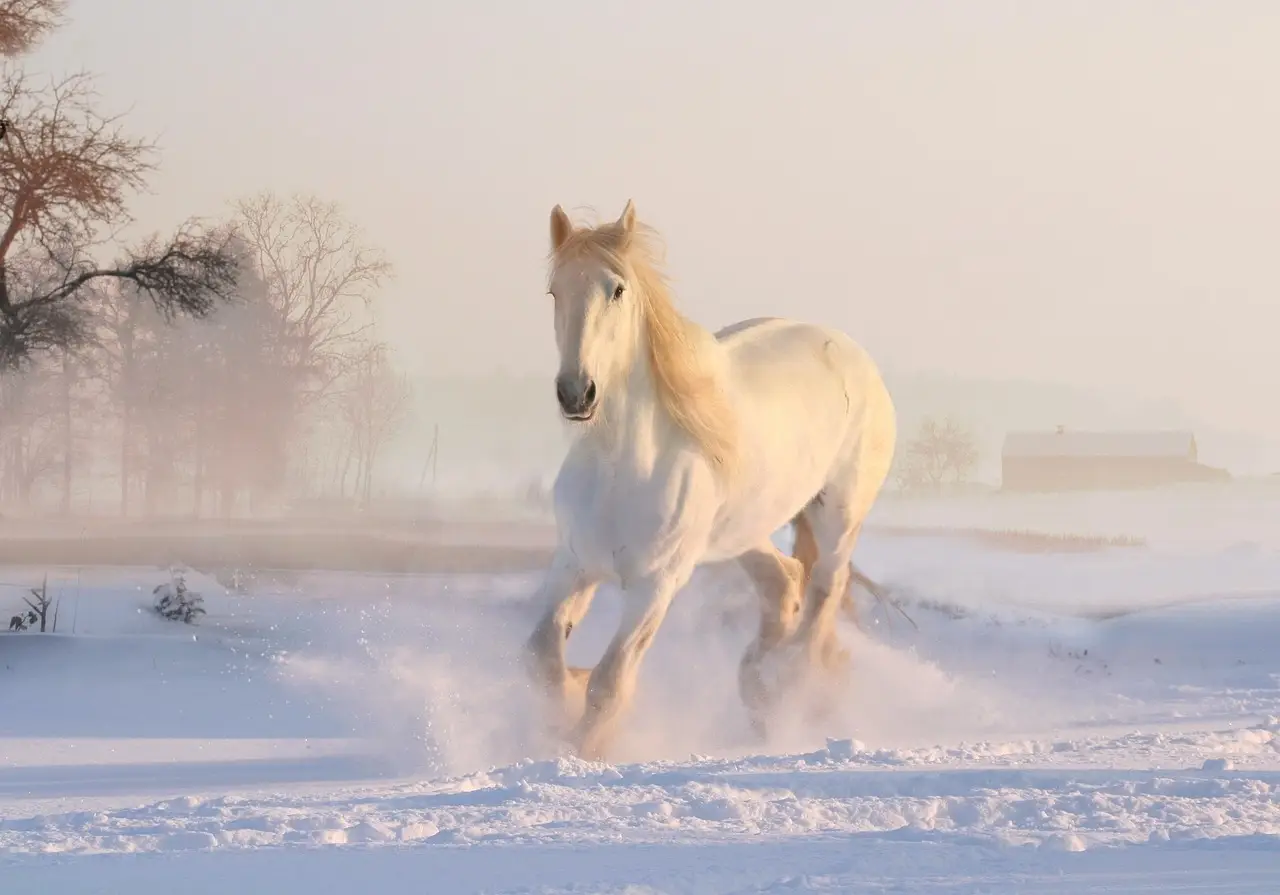
Photo: kudybadorota / pixabay
More than 60% of horses tested in Connecticut show evidence of exposure to Leptospira bacteria, according to a newly reported study — a figure that puts equine leptospirosis on the shortlist of differential diagnoses for uveitis, abortion, and renal disease in the region.
The finding comes from a serological survey of horses in Connecticut, in which investigators screened animals for antibodies to Leptospira and found seropositivity in excess of 60% of the sample. The study's title, as distributed by Mirage News, states the result plainly: "Over 60% of CT Horses Exposed to Leptospira, Study Finds."
Why does seropositivity this high matter at the exam table?
A positive antibody test signals prior contact with the bacterium, not necessarily active disease. But in a population where most horses have been exposed, the index of suspicion for leptospiral involvement climbs sharply in three clinical contexts:
- Equine recurrent uveitis (ERU) — Leptospira is a recognized infectious trigger for moon blindness, the most common cause of blindness in horses.
- Abortion and stillbirth — leptospiral abortion is a documented reproductive loss in endemic areas.
- Acute renal failure — a less frequent but severe manifestation.
In a state where more than six in ten horses carry antibodies, practitioners weighing a spotty, painful eye or a mid-gestation abortion should consider serology and PCR early rather than late.
What does exposure tell us about the environment?
Leptospira persists in wet soil, standing water, and the urine of wildlife reservoirs — deer, raccoons, rodents. Connecticut's horse population pastures in exactly that landscape. A 60%-plus seroprevalence figure reads as a marker of how commonly horses contact contaminated water and feed, not as an outbreak signal.
The number matters for herd management. Farm-level questions follow directly:
- Is standing water drained or fenced off from turnout areas?
- Are feed storage and water troughs rodent-proofed?
- Are new arrivals screened before joining breeding groups?
None of these measures are novel. A 60% exposure rate simply raises the priority of each one.
Are there public-health implications?
Leptospirosis is a zoonosis. Horses shedding Leptospira in urine pose a handling risk to farm staff, veterinarians, and owners, particularly around aborted fetuses and afterbirth. Gloves, eye protection, and careful disposal of reproductive tissues remain standard precautions. No vaccine licensed for use in horses in the United States against Leptospira was noted in the source material; practitioners should confirm current regulatory status with USDA-licensed product listings before advising clients on prevention.
What the study does and does not say
The study reports exposure, not disease burden. Seropositivity above 60% does not translate into 60% of Connecticut horses suffering uveitis or abortion — most infected horses clear the organism or remain asymptomatic. What the figure establishes is that the bacterium circulates widely in the environment these horses share, and that clinical leptospirosis is a live differential, not a curiosity.
The full distribution of serovars, sample size, and study design were not detailed in the summary distributed by Mirage News; readers should consult the underlying publication for those parameters before drawing farm-level conclusions.
For Connecticut practitioners, the practical takeaway is straightforward: test earlier, question standing water, and treat reproductive losses as potentially infectious until proven otherwise. Broader serosurveys in neighboring Northeast states would clarify whether this exposure level is regional or local.
Source: Google News: Zoonotic disease
Grace Kim
Show full bio
Staff writer covering regulation, policy and their impact on Small- and large-animal clinical practice at The Vet Scope.
Related articles
Dominican Republic Leptospirosis Cases Double in 2026
Leptospirosis in Cattle: The Infection Producers Don't See
AAEP Publishes Revised Salmonellosis Disease Guidelines
Systematic review maps global equine piroplasmosis prevalence, 2020–2025
Joyride horse dies of zoonotic disease in Chennai; Tamil Nadu issues alert