Cooling Pet Beds Linked to Acrylamide Toxicosis in 45 Dogs
ASPCA research in JAVMA documents acrylamide toxicosis in 45 dogs after ingestion of cooling beds and other hydrogel products, with toxin levels up to 86 times expected limits.
Updated
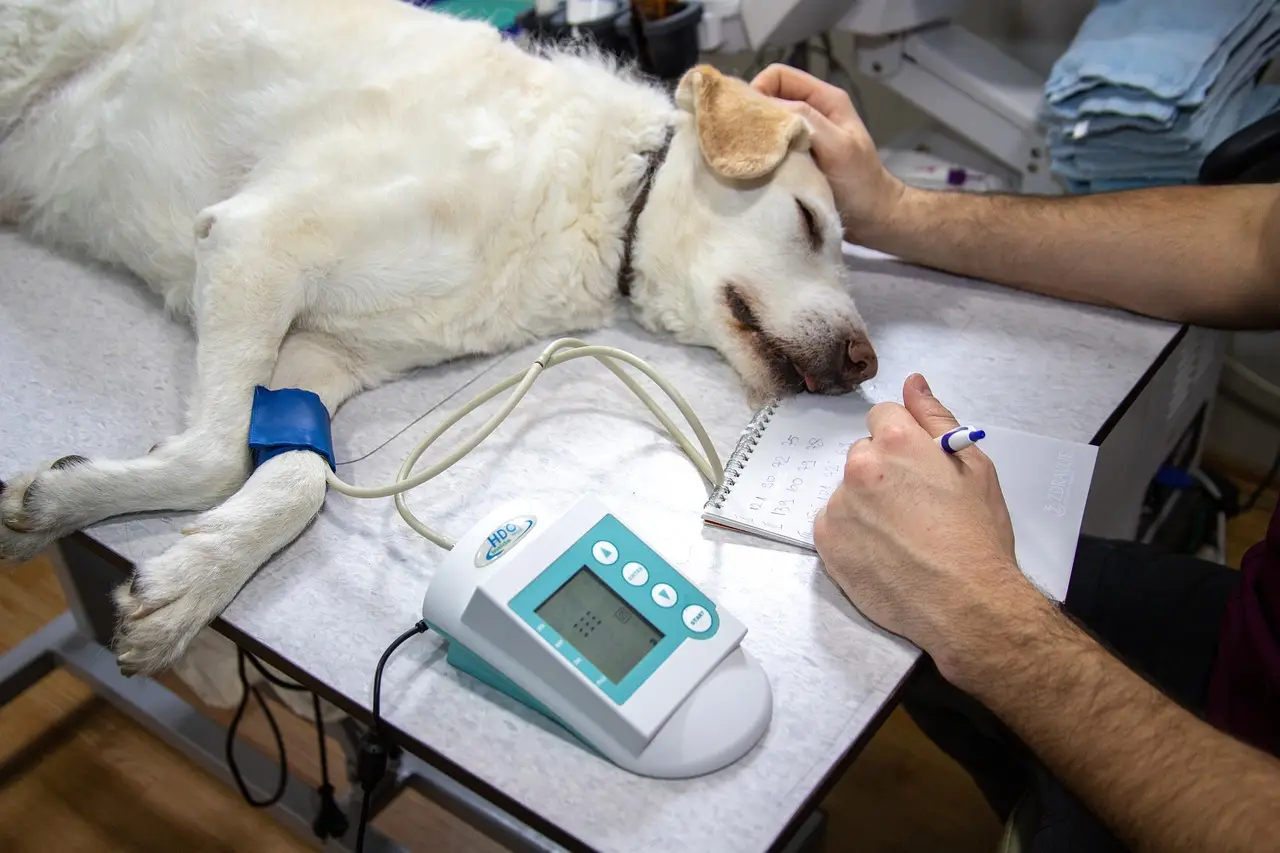
Photo: Pexels / pixabay
Some cooling gel products sold for pets contain acrylamide at concentrations of 12,900 to 51,800 parts per million — 21 to 86 times the upper end of expected levels — according to new ASPCA research published in the Journal of the American Veterinary Medical Association (JAVMA). Dogs that chew and swallow these polyacrylamide-based hydrogel products can develop acute acrylamide toxicosis, a poisoning with no antidote.
The study examined outcomes in 45 dogs with suspected acrylamide toxicosis. Reported clinical signs included vomiting, muscle tremors, ataxia, sensitivity to sound or touch, tachycardia, seizures, and death. The research team conducted the work in collaboration with The Product Injury Coalition, Cambridge Polymer Group, and a veterinarian from VEG ER for Pets.
For practitioners, the findings translate directly to the exam table: any dog presenting with unexplained neurologic signs — tremors, ataxia, hyperesthesia, tachycardia or seizures — should trigger a question about access to hydrogel products in the home.
Which products are implicated?
The study covers polyacrylamide-based hydrogel consumer goods, including:
- Cooling pet beds and cooling pads
- Migraine caps
- Eye masks
- Wraps
Polyacrylamide polymers themselves are generally considered low risk. The hazard lies in residual acrylamide monomer, a potent neurotoxin that remains in some finished products. Detected concentrations in certain cooling gel products ran substantially higher than specifications for certain medical-grade products, the researchers reported.
What changes at the exam table?
There is currently no antidote for acrylamide toxicosis. Treatment focuses on controlling clinical signs and providing supportive care while the poisoning runs its course. The ASPCA continues to investigate cases and potential treatment options.
The study's practical guidance for veterinary professionals is threefold:
- Consider potential ingestion of hydrogel products when evaluating patients with compatible neurologic signs.
- Counsel clients to keep hydrogel products out of pets' reach.
- Advise close supervision of pets using cooling beds or pads, particularly dogs prone to chewing.
Because the exposure history is often absent — owners may not realize a chewed cooling bed constitutes a toxic ingestion — the differential for acute neurologic presentations in dogs now carries a household-product trigger that many clients have never been warned about. Practices can help close that gap through routine owner education on the risks of these products.
What should owners do if ingestion occurs?
Clients who suspect ingestion should contact their veterinarian or ASPCA Poison Control at (888) 426-4435. Animals displaying neurologic signs need immediate veterinary attention.
The ASPCA has published tools and tips on acrylamide exposure in dogs and cats for veterinary professionals at aspca pro.org, and the full study appears in JAVMA.
With cooling products entering peak seasonal use each summer, and no antidote available, the case series positions hydrogel ingestion as an exposure clinicians should now actively rule in or out — and one manufacturers and regulators may soon be asked to answer for.
Original: avmajournals.avma.org
Nathan Brooks
Show full bio
Senior reporter covering companies, deals and strategy in Small- and large-animal clinical practice at The Vet Scope.
Related articles
Hydrogel products tied to canine acrylamide toxicosis in report
Hydrogel Migraine Caps and Eye Masks Linked to Fatal Acrylamide Toxicosis in Dogs
ASPCA flags weekly dog poisonings tied to cooling gel products
FDA: Nearly 100 horses infected by contaminated Hycoat
U.K. Discarded-Drug Poisonings in Dogs Climb 87% Since 2021