Hydrogel products tied to canine acrylamide toxicosis in report
A Veterinary Practice News report links hydrogel products to acrylamide toxicosis in dogs, raising questions for clinicians handling wound care and neurologic workups. Mechanism, differentials, and FDA CVM implications outlined.
Updated
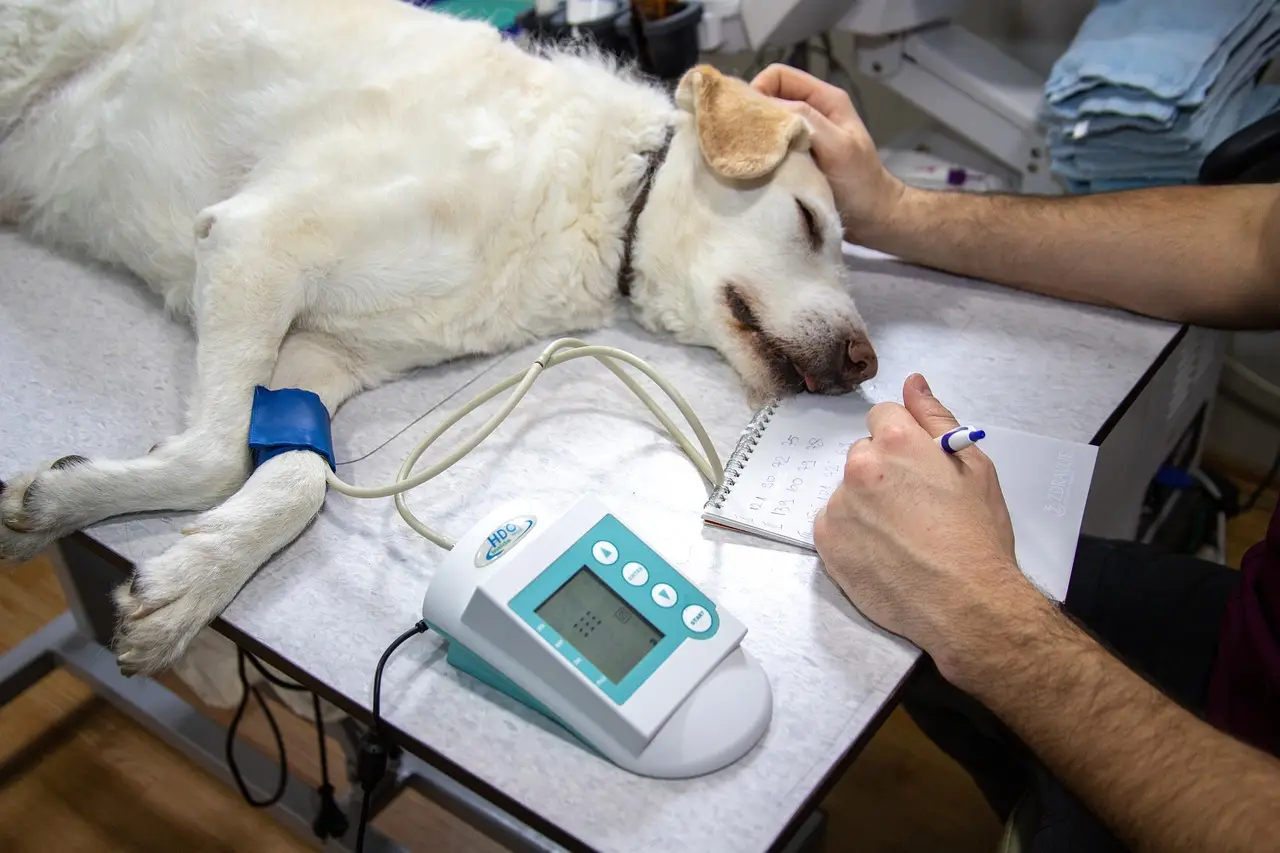
Photo: mirkosajkov / pixabay
A report in Veterinary Practice News links hydrogel products to acrylamide toxicosis in dogs, a finding that puts polymer-based wound dressings and topical therapies back on the clinical review list.
What does the report establish? The trade publication's report describes a link between hydrogel-based products and acrylamide toxicosis in dogs. Hydrogels are water-rich polymer matrices widely used in human and veterinary wound care. Acrylamide, the monomer that cross-links many of these products, is a recognized neurotoxin across species. The clinical syndrome in dogs centers on the peripheral nervous system.
How does acrylamide damage canine nerves? Acrylamide interferes with axonal transport by disrupting fast anterograde and retrograde motor proteins. The result is a distal "dying-back" neuropathy that starts in the long peripheral nerves of the hindlimbs and ascends. In dogs, the syndrome can mimic polyradiculoneuritis, botulism, tick paralysis, myasthenia gravis, and organophosphate toxicity. Distinguishing features include recent topical product use at the wound site, sensory deficits that often accompany motor signs, and histopathologic confirmation on distal peripheral nerve or muscle biopsy. Urine and serum toxicology screens can quantify recent exposure, though interpretation requires timing because the parent compound clears within hours while the neuropathy persists for weeks.
Why does this matter at the clinic? Companion-animal clinics stock hydrogel dressings routinely, often without full visibility into the polymerization chemistry at the lot level. The Veterinary Practice News report raises the operational question of which products are implicated and whether any remain on shelves. Until those details surface, clinicians should:
- Audit current wound-care inventory for product lot numbers and expiration dates.
- Ask owners specifically about hydrogel products during neurologic workups.
- File adverse-event reports through the FDA Center for Veterinary Medicine portal for any suspected case.
- Cross-reference incoming shipments against FDA CVM and USDA recall notices before deploying them on patients.
Where does the regulator fit? Wound dressings marketed for veterinary use fall under overlapping FDA and USDA jurisdictions depending on intended use and active claims. Acrylamide leaching from polymer devices has been a recurring topic in regulatory science, because the same product class is used in human medicine. Any positive canine case finding typically enters the FDA CVM's post-market surveillance system and may prompt label review, product recall, or a manufacturer notice.
Is food-animal or public-health exposure in play? The current report is companion-animal focused. Food-animal impact appears minimal because the toxicosis described traces to topical exposure rather than feed or residue pathways. The public-health angle is indirect: acrylamide is a known food-processing byproduct and a probable human carcinogen, but the Veterinary Practice News finding does not connect the canine signal to dietary or occupational human exposure.
What don't we know yet? The available source does not specify sample size, study design, named products, lot numbers, or geographic distribution of cases. It also does not confirm whether any regulatory action has been announced. Veterinarians should consult the full Veterinary Practice News article and the FDA CVM recall index for those details before changing standing protocols.
What's next? The mechanism is well characterized. The regulatory response will turn on case counts, product identification, and lot-level verification as more data surfaces. Expect a wider case series, possible product-level recall notices, and renewed post-market testing protocols for veterinary wound dressings.
Source: Google News: Veterinary medicine
Grace Kim
Show full bio
Staff writer covering regulation, policy and their impact on Small- and large-animal clinical practice at The Vet Scope.
Related articles
Hydrogel Migraine Caps and Eye Masks Linked to Fatal Acrylamide Toxicosis in Dogs
Cooling Pet Beds Linked to Acrylamide Toxicosis in 45 Dogs
ASPCA flags weekly dog poisonings tied to cooling gel products
FDA: Nearly 100 horses infected by contaminated Hycoat
Acrylamide at 2 mg per egg killed every embryo in hatch study