Hydrogel Migraine Caps and Eye Masks Linked to Fatal Acrylamide Toxicosis in Dogs
Gel-filled migraine caps and eye masks caused fatal acrylamide toxicosis in dogs, dvm360 reports. Clinicians should ask owners about chewed household gel products.
Updated
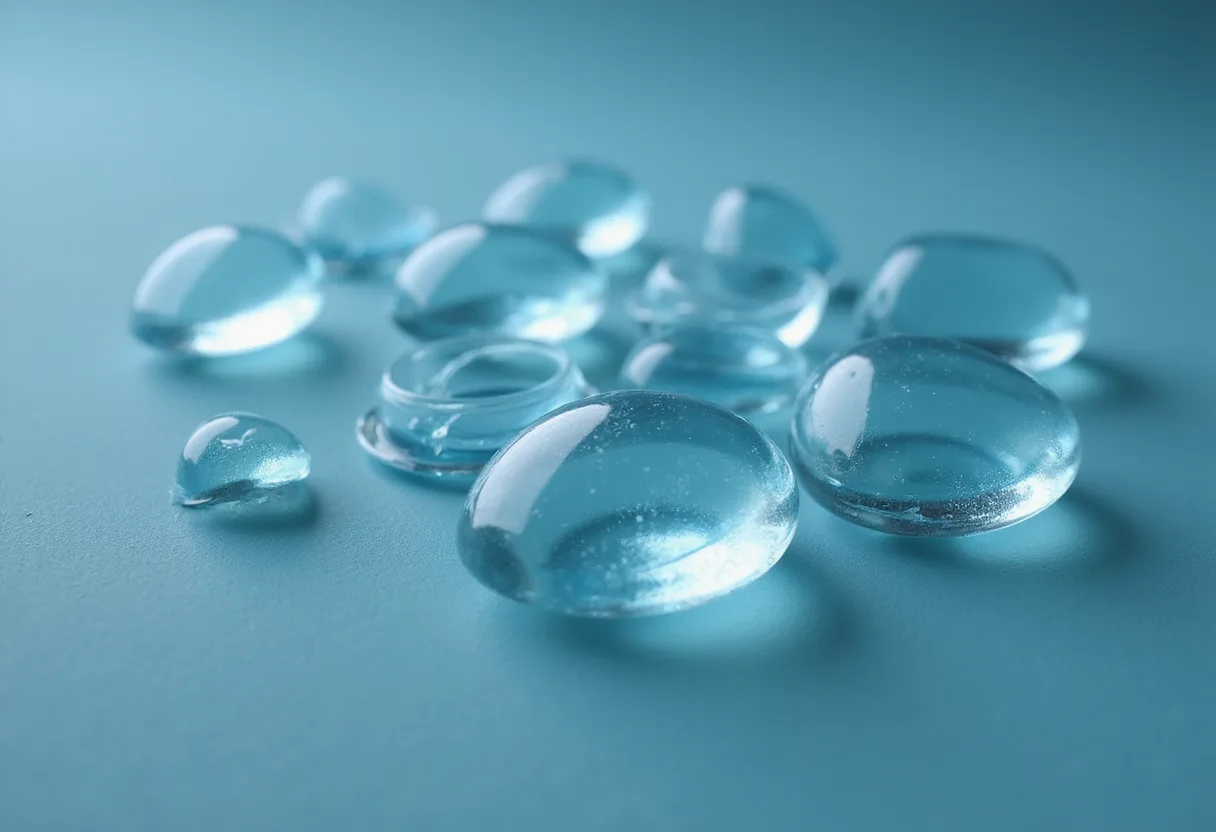
Photo: AI-generated
Hydrogel migraine caps and gel eye masks have been linked to fatal acrylamide toxicosis in dogs, according to a case report highlighted by dvm360.
The report concerns companion animals alone. It identifies a common household product, not a veterinary drug or feed contaminant, as the source of the toxin. Acrylamide is an industrial chemical used in the absorbent gel layer of many cooling and warming consumer products, including migraine relief caps and sleep masks sold over the counter.
Dogs that chewed or ingested the gel filling developed acrylamide toxicosis, and in the reported cases the outcome was fatal. Owners rarely realize the products carry a hazard, because packaging does not typically warn of animal toxicity.
What is acrylamide toxicosis?
Acrylamide is a neurotoxin. Ingestion damages peripheral nerves and the central nervous system. Clinical signs progress from muscle weakness and tremors to inability to stand. In the reported canine cases, the damage advanced to death.
The toxic dose depends on the amount of gel consumed and the size of the dog. Small dogs face the highest risk from a single chewed cap or mask.
What should clinicians ask at the exam table?
The report changes history-taking. For any dog presenting with unexplained neurologic signs — ataxia, tremors, hind-limb weakness or progressive paralysis — clinicians should ask owners directly whether the dog has access to hydrogel products. That list includes:
- Migraine and tension-relief caps
- Cooling gel eye masks and sleep masks
- Reusable gel heat or cold packs
- Any soft product with a gel bead or gel sheet core
Owners often cannot name the product from memory. A photo of the packaging helps, and clinicians should ask owners to check whether the dog's bed, the household bathroom drawer or the nightstand contains a chewed or punctured gel item.
Why the source matters for diagnosis
Acrylamide toxicosis mimics other neuropathies. Without a known exposure, clinicians may pursue differential diagnoses such as polyradiculoneuritis, tick paralysis or toxin-induced neuropathy from other causes. The case report signals that gel consumer products belong on that exposure list.
Chewing is the route. The gel layer is the hazardous component. A cap that is merely punctured but not ingested poses less risk than one where the dog swallowed gel material.
What should owners be told?
The companion-animal message is direct. Hydrogel migraine caps, gel eye masks and similar products should be stored where dogs cannot reach them, in the same way medications and pesticides are stored. Damaged products with punctured or leaking gel layers should be discarded.
There is no food-animal or regulatory dimension identified in the report. The products are consumer goods, not animal health products regulated by FDA CVM or USDA, and no recall or agency action is stated in the report.
Public-health context
Acrylamide is also a public-health compound known from food science, where it forms in starchy foods cooked at high temperatures. The canine cases reported here involve a different route — direct ingestion of industrial gel — and do not change food-safety guidance for humans.
The veterinary relevance stands on its own. Clinicians who add one question about gel products to their neurologic intake may catch an exposure that current differentials miss.
The report is expected to prompt wider discussion of household gel products as an underrecognized toxic source in dogs, and dvm360's coverage signals the case series is now in front of the clinical audience that needs it.
Source: Google News: Veterinary medicine
Daniel Okafor
Show full bio
News editor covering technology and product news in Small- and large-animal clinical practice at The Vet Scope.
Related articles
ASPCA flags weekly dog poisonings tied to cooling gel products
FDA: Nearly 100 horses infected by contaminated Hycoat
Texas A&M Reports Hemoperfusion for Dog After Oclacitinib Overdose
Acrylamide at 2 mg per egg killed every embryo in hatch study
CDC Flags 'Rhino Tranq' as Veterinary Sedative Spreads Through Fentanyl Supply