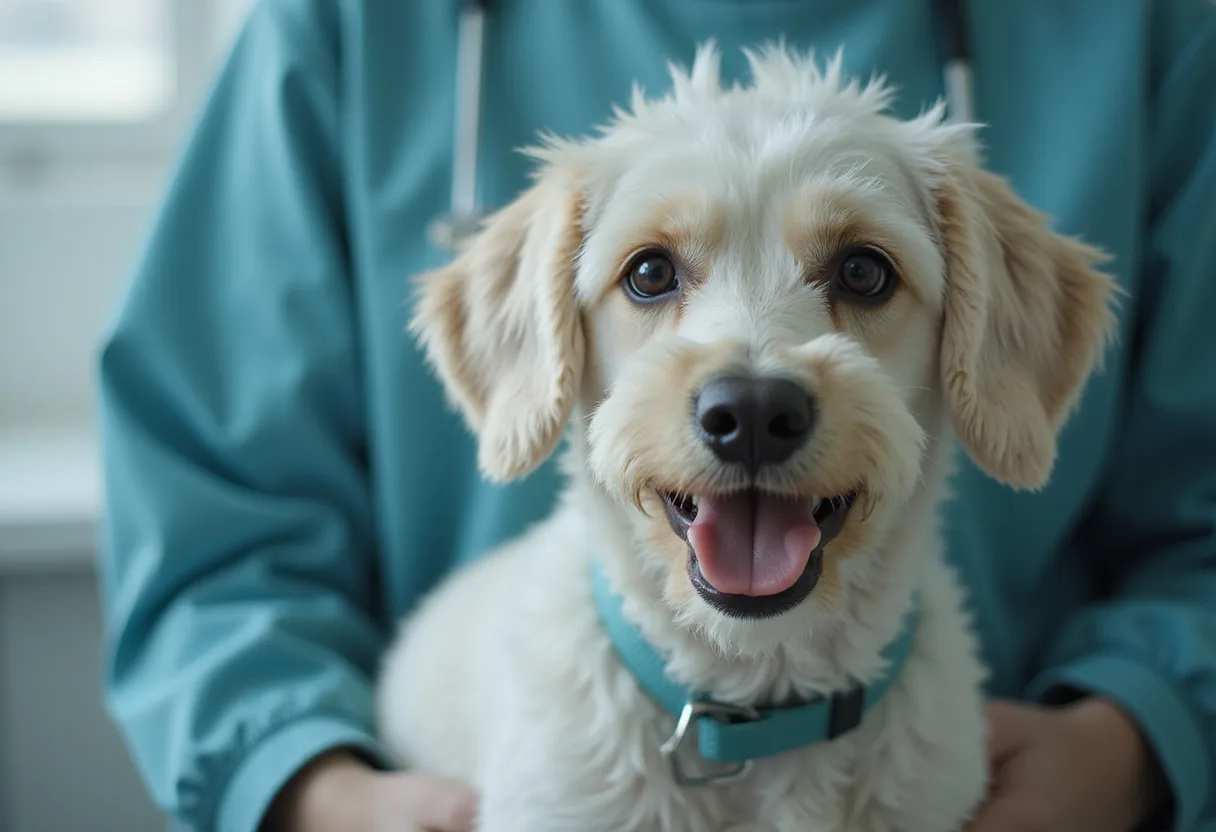
Luxembourg inspectors shut down unauthorised puppy yoga sessions
Luxembourg veterinary inspectors have shut down unauthorised puppy yoga sessions, ruling the classes breached animal welfare requirements for commercial animal activities.
Updated
Photo: manfredrichter / pixabay
Luxembourg's veterinary inspection service has halted unauthorised puppy yoga sessions after finding the classes violated animal welfare rules. The intervention confirms that using puppies as props in fitness and wellness settings falls under the same regulatory scrutiny as any other commercial use of animals.
Puppy yoga — sessions in which participants stretch while young dogs roam the room and are handled by attendees — spread across several European cities as a trend marketed through social media. Inspectors determined that the sessions in question operated without the authorisation required for activities involving live animals, and that the handling of the puppies raised welfare concerns serious enough to warrant stopping the classes outright.
The halt is an enforcement action, not a new regulation. Luxembourg's veterinary inspectors operate under existing animal welfare law, which requires commercial activities involving animals to meet welfare standards and, in many cases, to hold prior authorisation. Sessions that fail on either count can be closed on the spot.
What does this change for practices and clients?
For companion-animal veterinarians, the case is a reminder that welfare enforcement now extends well beyond farms, shelters and breeding facilities. Trend-based businesses — cafés, yoga studios, therapy sessions, event rentals — that place animals in novel settings can trigger inspection when complaints arrive.
Practitioners in Luxembourg and neighbouring markets may see clients ask whether such activities are lawful. The inspectors' action gives a clear answer for this jurisdiction: without authorisation and demonstrable welfare safeguards, puppy yoga does not pass.
There is no direct food-animal or public-health dimension to this case. The public-health angle is limited to what any gathering of young animals and strangers carries: zoonotic and infectious-disease risk from unvaccinated or stressed puppies handled by multiple people — a point welfare inspectors routinely weigh alongside physical handling concerns.
Why welfare inspectors focus on puppy yoga
Young dogs used in repeated sessions face several welfare stressors that inspectors commonly cite:
- prolonged handling by unfamiliar people with no rest periods;
- transport between venues and extended time in unfamiliar environments;
- separation from the dam earlier than welfare guidance recommends;
- no documented health, vaccination or socialisation protocol.
Each of these factors can constitute a standalone welfare deficiency under national rules modelled on EU animal welfare frameworks.
The wider enforcement picture
The Luxembourg action fits a broader European pattern. Authorities in France, the Netherlands and elsewhere have examined or restricted puppy yoga and similar animal-experience businesses over the past several years, applying the same authorisation and welfare tests used for pet shops, breeders and animal exhibitions.
For veterinarians, the practical takeaway is advisory: clients entering any animal-based business venture should verify authorisation requirements and welfare protocols before launch, because inspectors have shown they will act once sessions are running. The Luxembourg case demonstrates that enforcement in this sector is no longer theoretical, and further inspections of animal-experience businesses across the region appear likely as the trend continues to spread.
Source: Google News: Veterinary medicine
Nathan Brooks
Show full bio
Senior reporter covering companies, deals and strategy in Small- and large-animal clinical practice at The Vet Scope.
Related articles
Backyard Chickens in the Spotlight: German Study Probes Zoonotic Risk
EU clears €73 million to combat avian influenza, swine fever
Animal Health Sector Backs EU Plan to Phase Out Animal Testing
Cornell CVM Offers Guidance on Dogs' Anxious Behavior
Oakland's 'Street Vet' Brings Care to Pets of Unhoused Residents