Choosing Veterinary Diagnostics: The Business Case for Curation
Long-term contracts, hidden costs and cognitive load shape which diagnostic platforms belong in companion animal hospitals, writes Dr. Stacey Hendershott, DVM, DABVP.
Updated
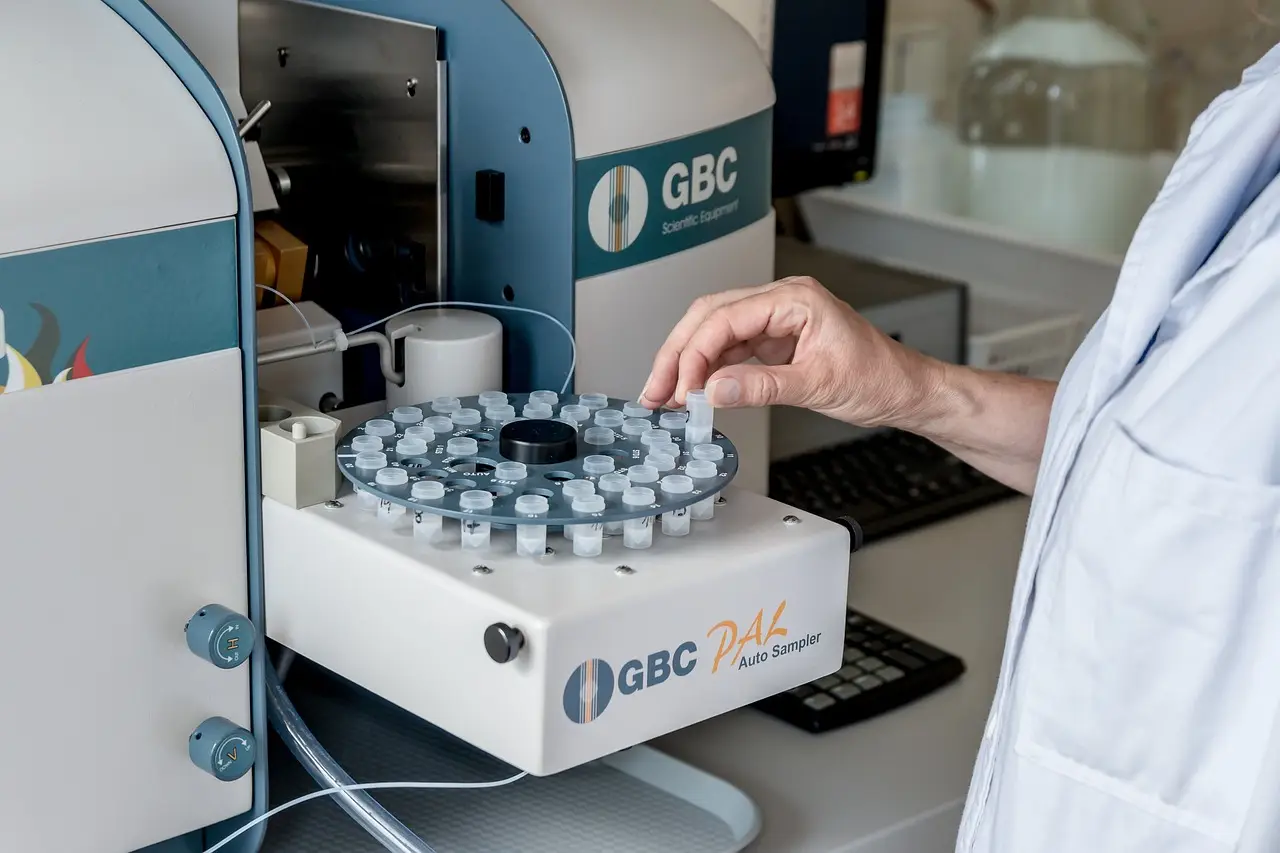
Photo: jarmoluk / pixabay
The hardest diagnostic decision in companion animal practice is no longer access to technology — it is which platforms deserve space in the hospital at all, according to Dr. Stacey Hendershott, DVM, DABVP (Canine/Feline), a small animal veterinarian at Pleasant Grove Animal Hospital in Texarkana, Texas.
Writing in Veterinary Practice News, Dr. Hendershott argues that the expanding marketplace of diagnostics, therapeutics, software platforms and AI-driven tools has created a "diagnostic buffet" in which every vendor presents a compelling case. Adding technology without a clear strategy, she writes, creates financial pressure, workflow disruption and confusion for doctors, team members and clients.
What should practices weigh before signing?
Long-term contracts rank among the most important considerations. These agreements may include production thresholds, bundled pricing, equipment incentives or financial penalties for underuse. While such arrangements can deliver short-term value, they tie a hospital to a specific platform for years — and diagnostics evolve faster than contract terms.
Profitability extends well beyond equipment price and per-test margin. Dr. Hendershott advises practices to account for:
- Financing costs
- Reagent pack sizes
- Quality-control materials
- Consumables and service agreements
- Repeat testing due to errors
- Staff time
- Administrative labor tied to send-out testing
The more useful question, she writes, is not whether an individual test is profitable, but whether the entire diagnostic platform delivers a meaningful return on investment while supporting better patient care.
Futureproofing compounds the difficulty. A platform that solves today's challenges may not accommodate new biomarkers, software integrations or AI-supported tools that emerge over the next several years. Replacing equipment before it has produced an adequate return is rarely practical; delaying adoption can cost a practice its competitive edge. Scalable systems that grow with the hospital are the preferred choice.
How do diagnostics affect veterinarians and staff?
Clinicians experience the diagnostic marketplace differently than owners do. They must manage full schedules, complex cases and client expectations while deciding when to order each new test, how to interpret the result, what limitations apply and how much confidence to place in emerging technology.
That constant stream of decisions adds cognitive load and feeds the broader pressures associated with professional burnout. The right diagnostic solutions, Dr. Hendershott writes, reduce complexity rather than add to it — by providing education, objective data and clear clinical pathways.
Staffing shortages and growing demand for care stretch teams further. Evidence-based tools that deliver reliable, actionable results let veterinarians focus on clinical care instead of navigating unnecessary complexity.
Implementation determines success. Installing an analyzer without clear protocols leads to inconsistent use, delayed follow-up, duplicate testing and staff frustration. Thoughtful onboarding, defined case-use guidelines and hands-on training preserve efficiency while advancing patient care.
What do clients expect?
Today's clients are more informed, more cost-conscious and often more anxious than before. They expect clear recommendations, transparent pricing and timely answers — and many balance a desire for advanced care against real financial constraints.
Affordability and transparency are closely linked, Dr. Hendershott writes. When teams explain what a test measures, how the result may change the treatment plan and why the recommendation matters, clients can make informed decisions. Clinically useful and financially accessible options improve trust and compliance.
Speed matters as well. In an era of instant information, clients may struggle with waiting days for answers about a sick pet. In-clinic or near-patient diagnostics can provide timely, actionable information while preserving medical quality and appropriate interpretation.
Online resources, social media, pet health apps and AI-driven symptom checkers also shape expectations before the appointment begins. Teams must be prepared to correct misconceptions and connect recommendations to the individual patient.
Where should a practice start?
Dr. Hendershott frames the goal as turning an overwhelming buffet into a well-balanced plate. Five practical questions guide evaluation of any new technology: Does it improve patient care or clinical decision-making? Does it fit the current workflow and staffing model? Can the team use and interpret it consistently? Does the financial model support a sustainable return on investment? Can its value be clearly communicated to clients?
A start-up practice should begin by defining the core diagnostic services that support its medical identity and business goals. An established practice should examine current contracts, utilization patterns, workflow bottlenecks and missed opportunities. For her own practice, Dr. Hendershott's goal was expanding in-clinic point-of-care diagnostics — including an in-house NT-proBNP run on Bionote's Vcheck200 — to improve medical quality and workflow while creating an additional revenue stream that did not interfere with an existing contract.
Practices that align technology with medical standards, financial realities, team capacity and client communication, she concludes, can build diagnostic systems that serve patients, support teams and remain flexible for the future.
Source: Veterinary Practice News
Amara Osei
Show full bio
Correspondent covering companies, deals and strategy in Small- and large-animal clinical practice at The Vet Scope.
Related articles
New Market Report Tracks Growth in Companion Animal Care and Diagnostics
K-State Breaks Ground on $128 Million Veterinary Diagnostic Lab
Medneo Acquires Burgess Diagnostics to Enter UK Veterinary Imaging
Penn State Breaks Ground on $65 Million Animal Diagnostic Lab
New Bolton Center Breaks Ground on $94M Diagnostic Lab