When Empathy Overrides Judgment: The Clinical Cost of Unlimited Compassion
A dog died after a Spanish vet mixed two vaccines in one syringe to spare it discomfort. A clinician argues unbounded empathy now drives defensive medicine and burnout.
Photo: mirkosajkov / pixabay
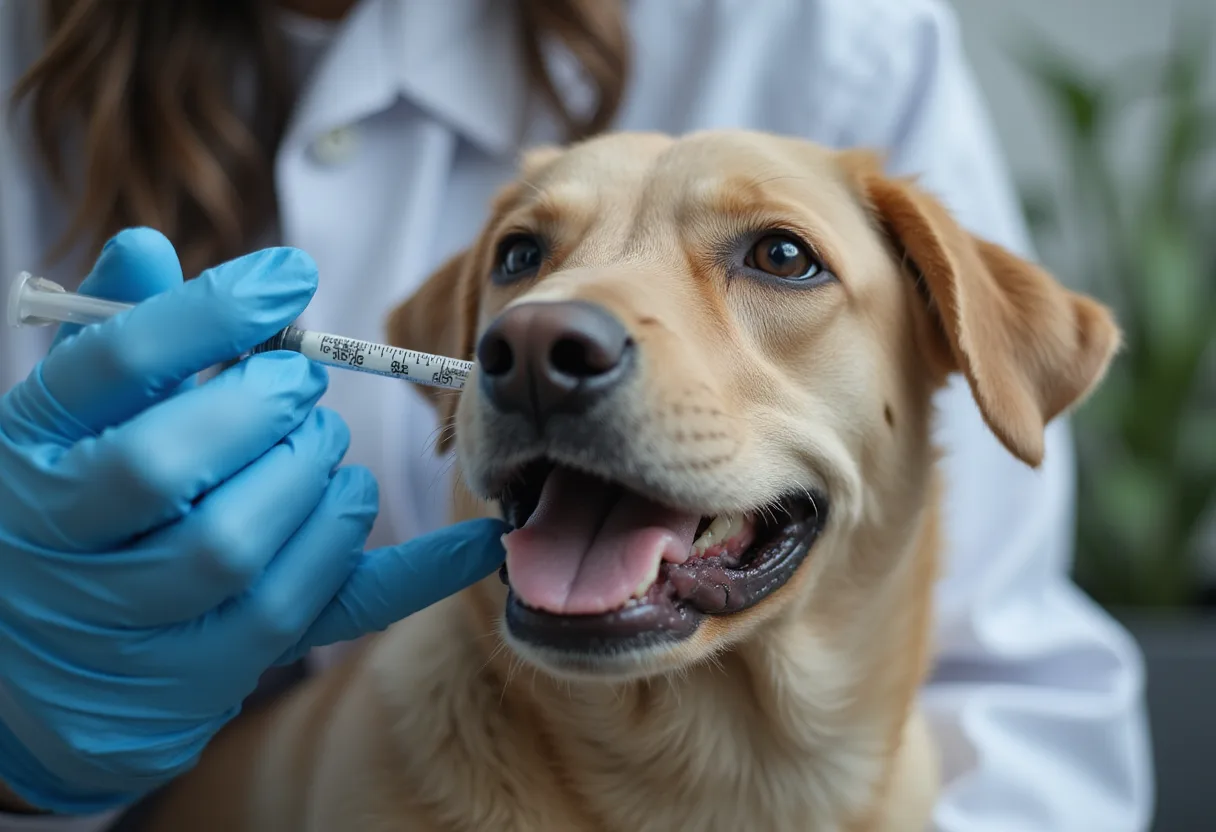
A dog died the night after a Spanish veterinarian, aiming to spare it a second injection, drew a rabies vaccine and a routine multivalent vaccine into the same syringe. The mixture may or may not have caused the death; that question would require proper investigation. The decision itself is the point, because the wish to minimize emotional discomfort overrode a procedure that should have followed pharmacological compatibility and product information. The WSAVA 2024 vaccination guidelines state plainly that different vaccines should not be mixed in one syringe unless the product information specifically supports it.
The author of the source analysis, a practicing clinician, calls this pattern "suicidal empathy": empathy that, left without limits, destroys what it was meant to protect — clinical judgment, patient welfare, and the professional's own wellbeing. He acknowledges the weight the word carries in a profession that knows suicide far too well, and uses it deliberately.
Where does the trouble begin?
In his framing, the distinction that teams lose is simple. Empathy is understanding what the owner feels. Validation is agreeing that what they feel should decide what happens next. The first is a professional duty. The second is where trouble starts.
He describes his own recent case: a 21-year-old cat in acute renal failure, with history, examination and laboratory findings pointing to an extremely poor prognosis. He recommended considering euthanasia as the option most likely to prevent further suffering. The owner argued that a truly empathetic veterinarian would explore every treatment and questioned whether he was empathetic enough. After hours of discussion, she filed a formal complaint — not about a misdiagnosis or a treatment error, but about the fact that he had proposed euthanasia at all.
His position is precise. Empathy could shape how he explained the prognosis, how much time he gave her, and what support he offered. It could not turn a very poor prognosis into a favorable one. Care is not agreement, and understanding is not validation.
What do complaint data actually show?
Berg and Vickers examined 47 complaints about animal euthanasia submitted to the Swedish Veterinary Disciplinary Board between 2018 and 2022. Only 2 led to disciplinary measures. Recurring themes were communication difficulties, client attitudes, and emotional attachment. A complaint, in short, does not necessarily mean wrongdoing.
Gibson and colleagues found that UK veterinary professionals described complaints as leading to distraction, disengagement and defensive strategies — the title of their 2022 Vet Rec paper quotes a respondent directly: "We're gonna end up scared to do anything."
Is a quieter form of defensive medicine emerging?
The author previously wrote about defensive medicine driven by protocols, regulators and litigation. He now suspects an emotional variant runs alongside it: modifying recommendations not because evidence changed, but to soften impact or avoid confrontation. In practice he sees hospitalization that will not benefit the animal, tests that will not change treatment, and treatment continued past the point where burdens outweigh benefits.
None of these choices is wrong in every case. The question is whether the intervention is justified by patient welfare, informed owner preference and evidence — or mainly by the wish to avoid conflict. The behavior is often praised as compassionate and client-centered, and it rarely feels irresponsible while it is happening.
What does this mean for burnout?
Long hours, low pay, emergency duty and staffing shortages matter, but they do not fully explain the emotional weight of practice, he argues. The mechanism works in stages: a complaint shakes confidence, the clinician starts anticipating hostile reactions before appointments begin, each difficult conversation costs more than the last, and eventually some withdraw — hedging, over-investigating, avoiding the prognosis conversation.
He is explicit that no study tests this chain directly. But it is consistent with the literature. Prato-Previde and colleagues found that moral distress — the conflict between what professionals believe is right and what is demanded of them — was associated with emotional exhaustion and depersonalization among Italian veterinarians. Romão and colleagues' scoping review identifies client conflict, unrealistic expectations and end-of-life conversations as recurring relational pressures. None of these studies measures "excess empathy"; they suggest the emotional demands of the client relationship are an occupational stressor in their own right.
What should practices change?
The author rejects a return to paternalism and endorses shared decision-making, but insists respecting autonomy does not mean presenting every option as equally appropriate. His recommendations for practice teams:
- Say what you recommend. State your own recommendation plainly; neutrality is not kindness when the owner needs guidance.
- Separate complaints from grief. Some complaints are legitimate and demand change; others are grief looking for a target and call for support, not concessions.
- Support the clinician after a complaint before they face a similar case, not after something goes wrong.
- Review prognosis conversations as a team, the way surgical outcomes are discussed — openly, without blame.
- Redefine success. Judge a consultation by whether the owner received accurate information and was supported in an informed decision, not by whether they left reassured.
Empathy can recognize suffering, build trust and guide owners through hard moments. It cannot change a prognosis or make two vaccines compatible, and it does not make clinicians responsible for another person's grief. Its real purpose, the author concludes, has always been more modest and more valuable: helping people confront reality without facing it alone.
Source: dvm360.com
Elena Vasquez
Show full bio
Market editor covering money, funding and market shifts around Small- and large-animal clinical practice at The Vet Scope.
Related articles
Protective Factors Offer a Route to Veterinary Suicide Prevention
Community-Led Dog Vaccination Could Cut Rabies Deaths, WSU Study Finds
Pentobarbital Access Distorts Veterinarian Suicide Mortality Analysis
Veterinary Teams Fill Information Gaps With Negative Stories, Coaches Say
Rwanda Targets Zero Rabies Deaths by 2030 Through One Health