Pentobarbital Access Distorts Veterinarian Suicide Mortality Analysis
Excluding pentobarbital deaths erased the elevated suicide mortality ratio seen in 2003-14 veterinarian data, psychotherapist Michele Gaspar wrote this week. She urges means restriction, confidential care and narrative restraint.
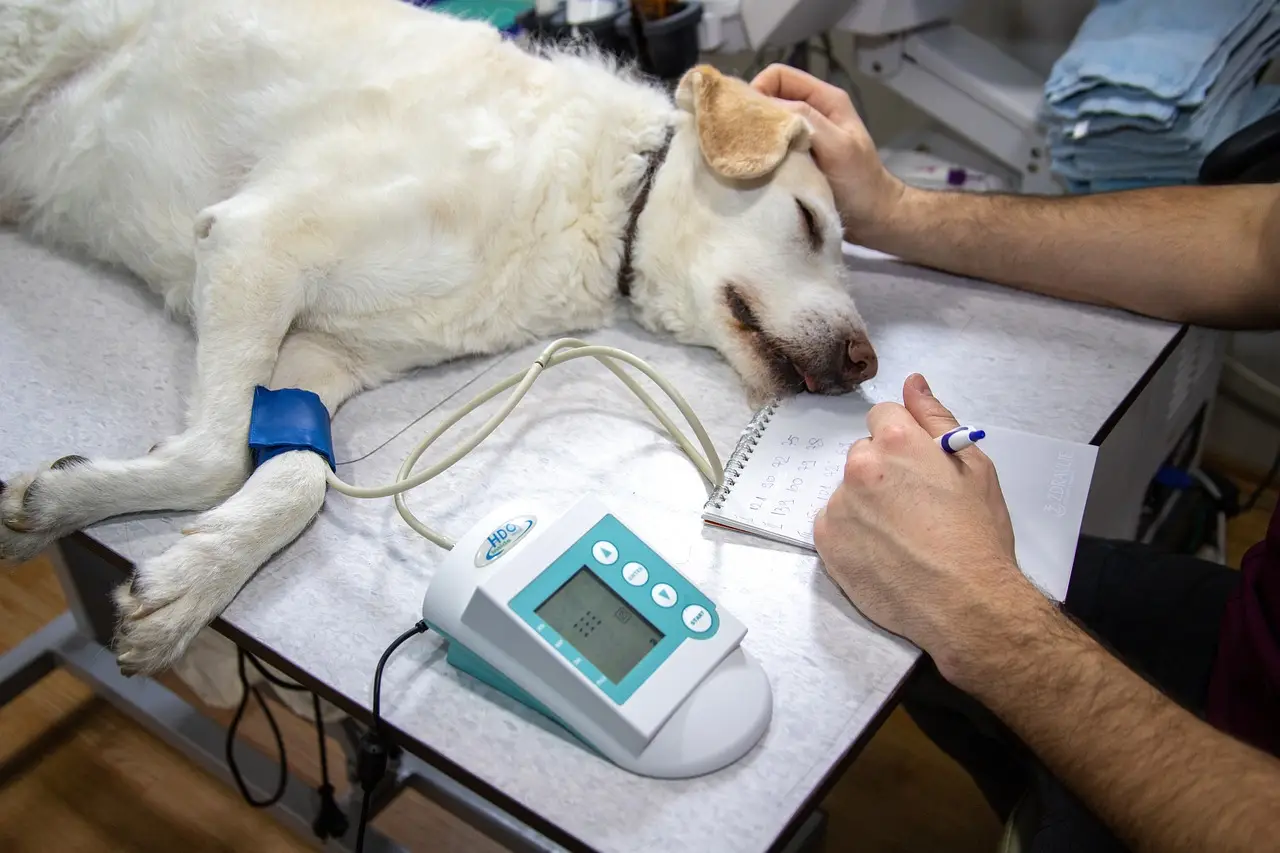
Photo: AI-generated
Pentobarbital was the drug most often identified in U.S. veterinarian poisoning suicides between 2003 and 2014, and excluding those deaths erased the elevated suicide mortality ratios that have fueled years of public alarm, veterinarian and psychotherapist Michele Gaspar wrote this week in a Veterinary Information News commentary.
Gaspar, a 1994 University of Wisconsin-Madison School of Veterinary Medicine graduate and feline internal medicine consultant with the Veterinary Information Network, framed her essay around the recent death by suicide of Dr. Cierra Cadena, who was months into her veterinary career. The case triggered rapid social-media speculation about mean clients and punishing internships—speculation Gaspar challenged.
"I was struck by how quickly concern became certainty," Gaspar wrote. "Client mistreatment and punishing working conditions deserve scrutiny, but their existence does not establish what caused a particular person's death."
What do the suicide-mortality studies actually show?
The most-cited figures—that veterinarians are two to three times more likely to die by suicide—are proportionate mortality ratios, not incidence rates among living veterinarians, Gaspar emphasized. A study of U.S. veterinary professionals who died from 2003 to 2014 found employed veterinarians had 1.6 times the expected male suicide mortality and 2.4 times the expected female mortality, compared with the general population.
A separate analysis of deaths from 1979 through 2015 placed the proportionate ratio at 2.1 for men and 3.5 for women. Gaspar also flagged elevated proportionate suicide mortality among U.S. dentists, female physicians (with male physicians below the general male rate in a 2017-21 study), registered nurses, health technicians and healthcare support workers. The pattern argues for examining the interaction between person and profession, not blaming any single occupational stressor.
What does the pentobarbital finding mean for clinics?
In the 2003-14 study, poisoning was the most common suicide method and pentobarbital the most frequently named drug. When investigators excluded pentobarbital deaths, veterinarian mortality ratios fell below statistical distinction from the general population.
The result does not prove that access accounts for every excess death—excluding deaths shrinks the sample—but it carries an actionable implication. "Secure storage and other meaningful controls on lethal drugs are an essential part of prevention," Gaspar wrote.
In the 1979-2015 dataset, firearms accounted for 45% of incidents and pharmaceuticals for 39%. Means restriction must therefore extend beyond the pharmacy cabinet.
Gaspar added: "Restricting access during a crisis to lethal means, whether drugs, firearms or something else, is a practical intervention that does not require us to know whether the crisis began with a client complaint, a depressive episode, a breakup or several things at once."
How narrow is the window between decision and action?
A study of 118 people hospitalized after a recent suicide attempt found 36% reported five minutes or fewer between deciding to die and acting on it. The quick actors did not differ from slower actors in suicidal history, depression or hopelessness. The interval shrinks the practical value of means restriction: a colleague's step into the kitchen, a break between shifts, or a momentary lapse in drug control can be the entire window for intervention.
What barriers keep veterinarians from care?
In a survey of more than 11,000 U.S. veterinarians, 9% reported serious psychological distress at the time of the survey and 17% reported suicidal thoughts since leaving veterinary school. Only about one-third agreed that people were sympathetic toward those with mental illness. An Australian and New Zealand study found perceived stigma, practical barriers to help-seeking, and a culture in which working while unwell had become normalized.
Gaspar named specific obstacles: symptoms that develop gradually while a clinician continues to function; fear of judgment, privacy loss or professional damage; appointment cost and time; difficulty finding a provider who feels separate from one's professional circle; and alcohol or drug use that dulls anxiety while clouding judgment.
What can workplaces do now?
Corporate wellness programs can serve as entry points, but Gaspar pointed to mixed evidence, including a randomized retail-company study that found healthier self-reported behaviors without improvement in measured clinical outcomes after 18 months. Other research suggests changes to how healthcare work is organized can reduce burnout.
"A program's existence alone is not evidence that support has been provided," Gaspar wrote. "We should ask whether a program is accessible, confidential, used and effective."
She called for ready access to independent mental health and substance-use care with enough sessions for actual treatment, paid time off to attend, a clear route for urgent assessment, and structured follow-up after a crisis. Management should examine staffing, schedules, mentoring, responses to client abuse and reintegration of colleagues returning from leave. Securing pentobarbital and helping an at-risk colleague create distance from firearms belong on the same checklist.
Gaspar closed by urging restraint in public narrative. "We can mourn Dr. Cadena and examine the conditions of veterinary practice while acknowledging how much we do not know," she wrote—a posture she argued matters as much as any new program the profession might fund next.
Original: news.vin.com
Daniel Okafor
Show full bio
News editor covering technology and product news in Small- and large-animal clinical practice at The Vet Scope.
Related articles
Protective Factors Offer a Route to Veterinary Suicide Prevention
When Empathy Overrides Judgment: The Clinical Cost of Unlimited Compassion
Two Dog Deaths Place Nashville Vet Clinic Under Criminal Investigation
Vet Times roundup: end-of-life, hypotension, kennel cough vaccine
Texas A&M Reports Hemoperfusion for Dog After Oclacitinib Overdose