Two SGLT2 Options for Cats With Firm Insulin Contraindications
Two oral SGLT2 inhibitors offer insulin-naïve diabetic cats a noninsulin option, but only after screening for acute illness, ketones, kidney function and liver function.
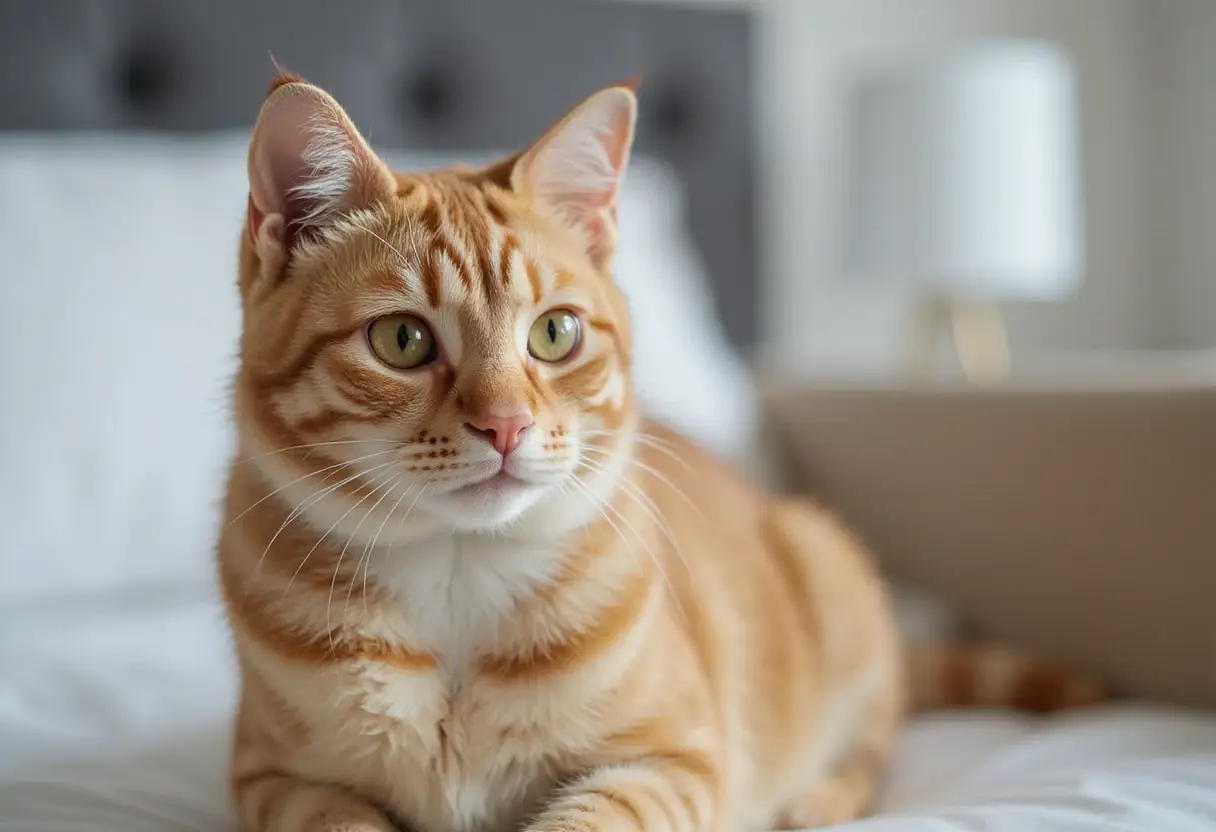
Photo: 12019 / pixabay
By Amara Osei
Two oral SGLT2 drugs—Bexacat (bexagliflozin) and Senvelgo (velagliflozin oral solution)—can support treatment decisions for newly diagnosed diabetic cats, but the interview sets a firm boundary: a cat that has ever received insulin, is receiving insulin now, or has insulin-dependent diabetes should not receive either drug.
Which cats are candidates?
Kelly Cairns, DVM, MS, DACVIM (SAIM), bases the choice on clinical suitability rather than whether oral treatment would be easier for an owner to administer.
“For me, the decision is really based upon safety and patient selection, not at all about whether an oral medication might be easier for that client to give that cat, so there [are] really clear lines in my mind,” Cairns said.
Her product list includes two formulations: Bexacat is a tablet, while Senvelgo is a liquid oral solution. The interview does not provide drug doses, administration frequencies or comparative outcome data, so the products should not be treated as interchangeable beyond the information given.
Insulin history establishes the first boundary. Cairns stated: “We shouldn’t take a cat off insulin to just put them on an SGLT2 inhibitor.” A previous insulin trial therefore does not create a route to an oral SGLT2 inhibitor under her approach.
What safety findings rule out immediate treatment?
Cairns does not use an oral SGLT2 inhibitor when the cat is sick at the visit. Her stated exclusions include:
- Clinical anorexia
- Dehydration
- Lethargy
- Ketosis
- Vomiting
For a vomiting cat or one with comorbidities, Cairns says clinicians need an assessment that includes checking ketones and beta-hydroxybutyrate. Those findings help determine whether the cat is an appropriate candidate rather than treating the new diagnosis alone as sufficient justification for oral therapy.
Clinicians must also confirm that kidney and liver function are acceptable. Cairns said both drugs carry warnings or overt contraindications in the setting of kidney or liver disease, as well as other comorbidities. Her overall recommendation is to use the drugs on label.
The partial transcript does not define numerical thresholds for dehydration, anorexia or ketosis, nor does it specify how much stabilization a cat needs before treatment. Those determinations remain clinical judgments outside the scope of this excerpt.
Why does monitoring differ from insulin management?
The interview identifies a monitoring plan for SGLT2 inhibitor treatment as a separate issue from insulin monitoring, with particular relevance for primary-care teams. Cairns planned to explain how the two pathways differ, but the published transcript ends before she provides the monitoring schedule or targets.
The available material does not specify testing frequency, glucose goals, dose-adjustment criteria, response thresholds or discontinuation endpoints. It therefore supports a distinct monitoring framework for oral SGLT2 treatment without supplying a protocol that teams could substitute for the missing details.
For exam-table use, the practical distinction is clear: choosing an SGLT2 inhibitor does not make glucose assessment or follow-up interchangeable with insulin management. The selection criteria and the monitoring pathway must both be addressed.
What regulatory status does the excerpt establish?
Cairns explicitly recommends on-label use, but the excerpt does not provide regulatory details for either product.
- FDA CVM: Not specified in the excerpt
- EMA: Not specified in the excerpt
- USDA: Not specified in the excerpt
It also supplies no approval or authorization dates. The drug details that the source does establish are limited to the names Bexacat (bexagliflozin) and Senvelgo (velagliflozin oral solution), their tablet and liquid formats, their contraindications in insulin-treated or insulin-dependent cats, and the need to assess comorbidities and organ function.
Clinicians should not infer an agency-specific authorization or indication from this partial transcript. The interview’s own instruction—use the drugs on label—remains the central regulatory point.
Which species-level implications apply?
- Companion animals: The guidance applies directly to cats with newly diagnosed diabetes. Safety, insulin history, current clinical condition, ketones, kidney function, liver function and other comorbidities determine eligibility.
- Food animals: The excerpt provides no livestock application, herd-management guidance or food-production implications. Its focus is the treatment of individual cats in a companion-animal context.
- Public health: The excerpt describes no zoonotic concern, transmission issue or population-level intervention. It makes no public-health claim beyond the individual feline treatment decision.
What changes at the exam table?
Three decisions should precede an oral SGLT2 prescription:
- Establish whether the cat has ever received insulin. Any history of insulin use, current insulin treatment or insulin-dependent diabetes excludes the oral drugs in Cairns’s framework.
- Assess the cat’s present condition. Do not start oral treatment in a clinically anorectic, dehydrated, lethargic, ketotic or vomiting cat; complete the recommended assessment of ketones, beta-hydroxybutyrate, kidney function and liver function.
- Select and monitor the patient on label. Convenience for the owner does not replace safety screening, and the SGLT2 pathway requires its own monitoring instructions rather than an assumed extension of insulin protocols.
Going forward, primary-care teams will need clearly specified SGLT2 monitoring parameters to complement Cairns’s patient-selection and safety framework.
Source: dvm360.com
Amara Osei
Show full bio
Correspondent covering companies, deals and strategy in Small- and large-animal clinical practice at The Vet Scope.
Related articles
GLP-1 Drugs Move Into the Veterinary Conversation
Generic Feline Hyperthyroidism Tablets Among Recent FDA Approvals, AVMA Reports
Wolters Kluwer rolls out veterinary medication data solution for pharmacies
AAHA's Updated Feline Diabetes Guidelines Drop Routine Hospital Glucose Curves
Washington State University Team Develops Test to Flag Cat-Toxic Drugs