USDA Awards LSU Nearly $2 Million to Build H5N1 Vaccine for Poultry
LSU draws nearly $2 million from a $100 million USDA program to build a mucosal H5N1 poultry vaccine deliverable in ovo or via drinking water, as losses top 168 million birds.
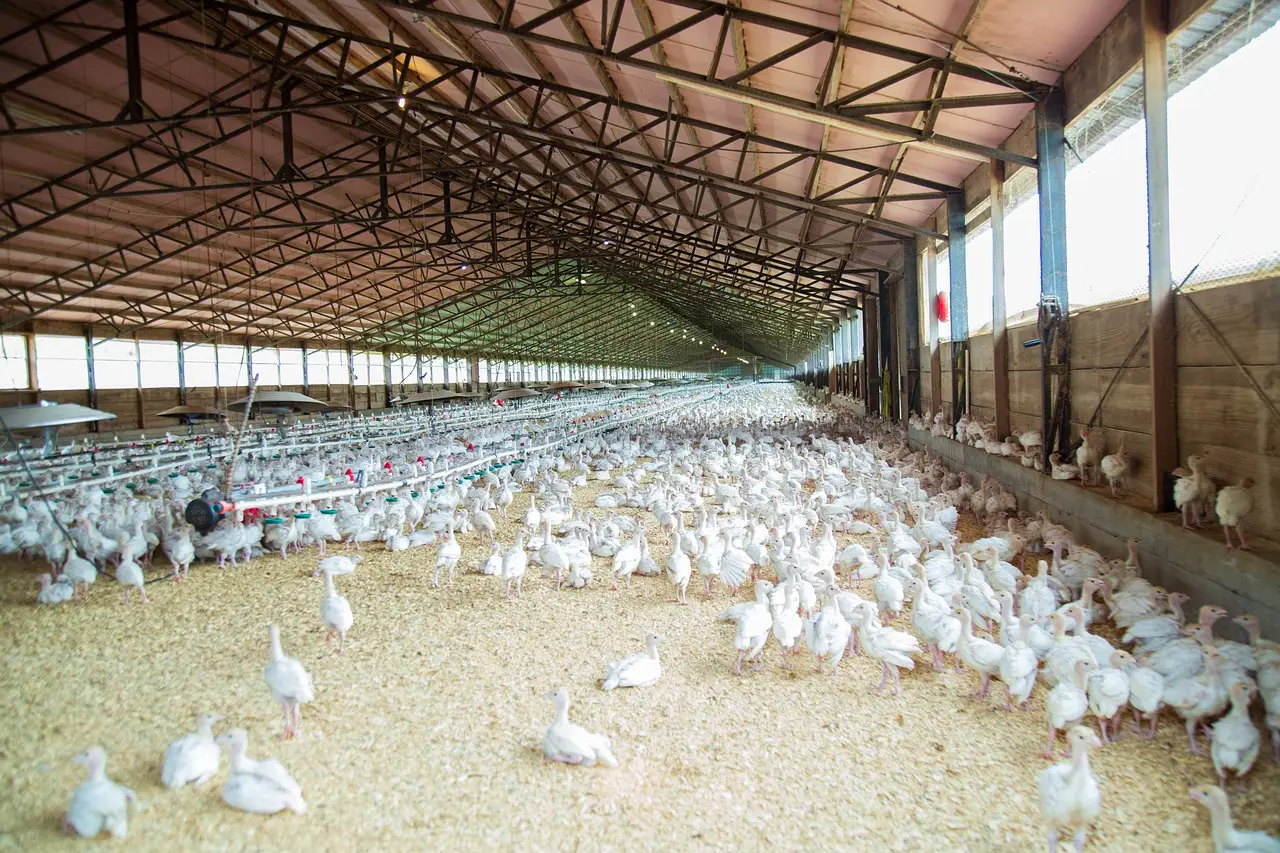
Photo: twinquinn84 / pixabay
The USDA has awarded Louisiana State University nearly $2 million to develop a poultry vaccine against highly pathogenic avian influenza (HPAI) H5N1 — a virus that has cost the United States more than 168 million commercial and backyard birds since 2022.
Mariano Carossino, DVM, PhD, DACVM, DACVP, associate professor of veterinary pathology at the LSU School of Veterinary Medicine, leads the research team. The grant flows through the USDA Animal and Plant Health Inspection Service (APHIS) HPAI Poultry Innovation Grand Challenge, a $100 million program that selected 58 projects in total: 17 on novel vaccines, 14 on therapeutics, and 27 on improved response strategies. APHIS dated its award selections document November 2025 and states that a competitive process, run in consultation with the US Department of Health and Human Services, determined the picks.
What is LSU actually building?
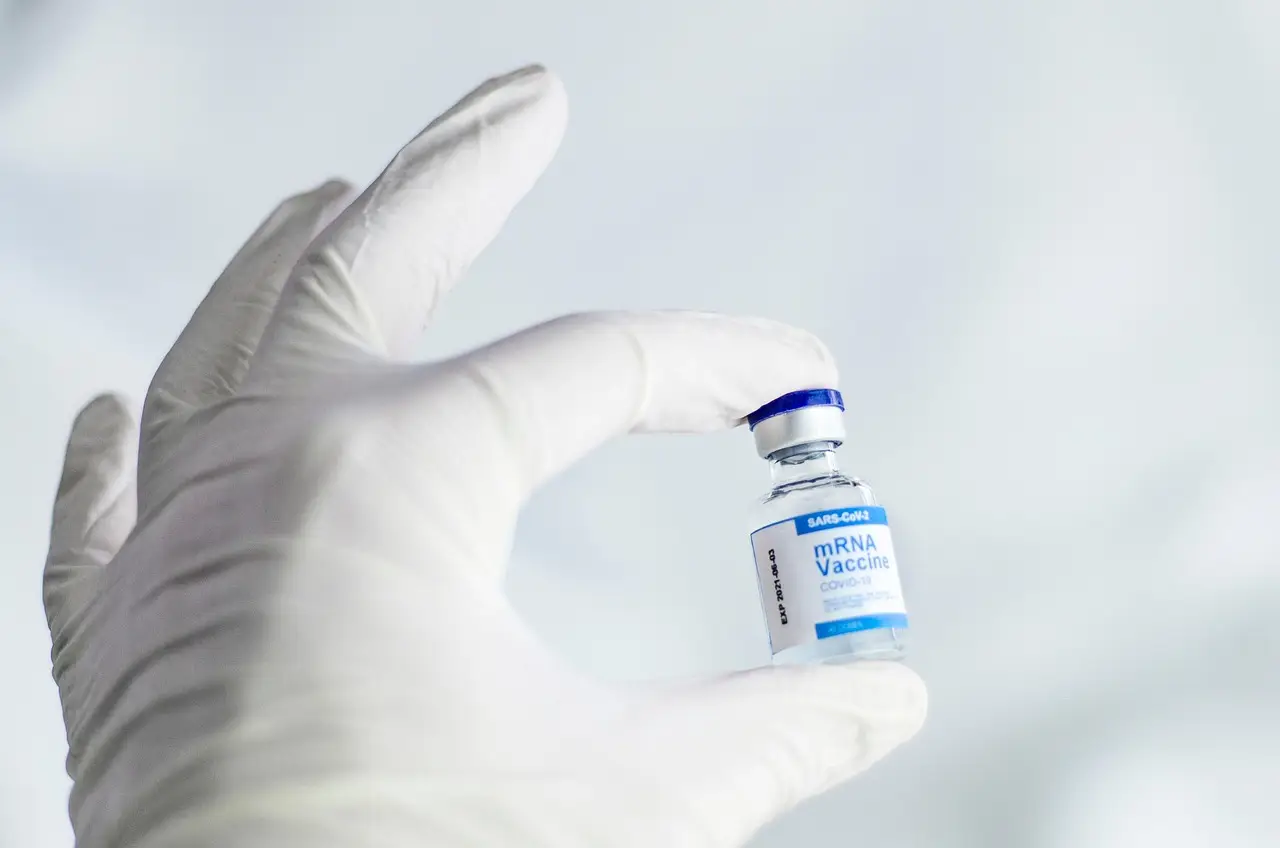
The project carries the formal title "Nanobody-directed, M-cell-targeted mucosal vaccine against HPAI H5N1 clade 2.3.4.4b in poultry." The design rests on nanobodies — small antibody-derived molecules, as LSU describes them — that direct vaccine components to specialized immune cells in the intestinal tract. The aim is mucosal immunity at the sites where infection often begins. By targeting those entry points, the researchers hope to prevent infection outright and generate a broader immune response throughout the body.
The platform incorporates two technologies: self-amplifying RNA and replication-deficient viral vectors. LSU states the team is engineering both for delivery either in ovo — before chicks hatch — or through drinking water. Either route would make vaccination far more efficient and practical for commercial poultry operations than hands-on injection of individual birds.
Carossino said in the university's release that the goal is "to develop a vaccine that provides effective protection against the virus" and one that producers can administer on a large scale.
The research also targets a surveillance problem: distinguishing vaccinated birds from naturally infected birds. LSU says that capability could support disease surveillance. The USDA itself listed "hands-off" delivery in chickens and turkeys and compatibility with differentiating vaccinated from infected animals among the characteristics it sought in vaccine candidates in its March 2025 announcement.
Why the stakes are high
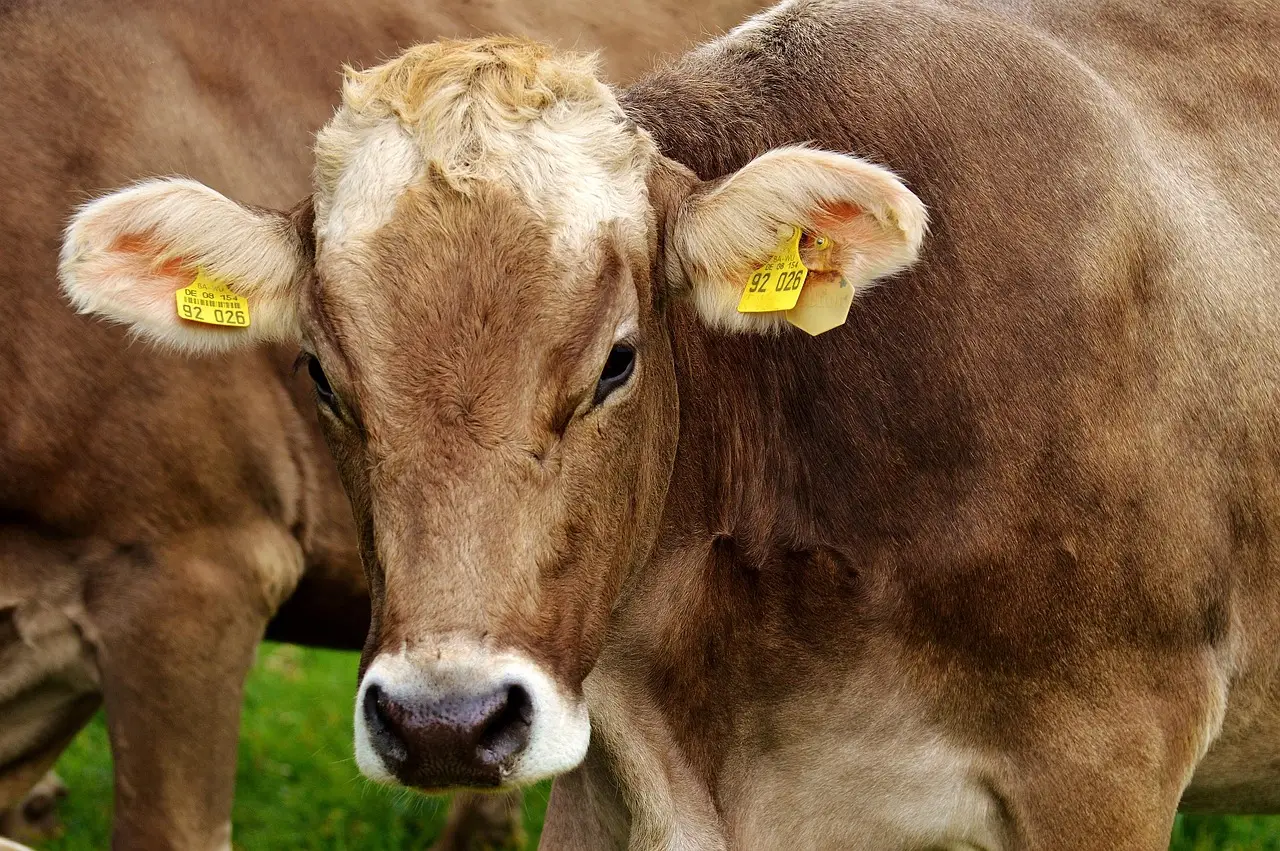
Since the current outbreak began in 2022, HPAI H5N1 has killed or forced the depopulation of more than 168 million commercial and backyard poultry birds in the US, according to LSU. The losses have disrupted food supplies, contributed to egg shortages, and raised costs for consumers. The virus has crossed species lines as well: dairy cattle, in which H5N1 was first detected in the US in 2024, number among the affected animals.
Carossino described HPAI in the release as a continuing serious threat to animal health, the poultry industry, and the nation's food supply.
What changes at the regulatory level?
Nothing yet at the barn level. APHIS states that HPAI vaccine use remains unauthorized in the US, apart from case-by-case use in certain endangered or zoo species. Control today relies on biosecurity, disease surveillance, and rapid outbreak response, which often requires depopulating infected flocks.
Several avian influenza vaccines have nonetheless received conditional licenses from the USDA. One such license went to Zoetis for a killed-virus H5N2 vaccine labeled for chickens.
The wild-card is migratory birds. HPAI H5N1 circulates widely among migratory wild birds, which carry and spread the virus across North America. For that reason, LSU characterized eliminating the disease entirely as unlikely, and positions effective vaccination as a potential additional tool for long-term control rather than a substitute for existing measures.
What comes next
For food-animal practitioners and poultry producers, the LSU project represents an early-stage bet: a mucosal, mass-delivery vaccine that could fit commercial hatchery and barn workflows, years from licensure. If the nanobody platform performs, in ovo and drinking-water administration — paired with a way to tell vaccinated from infected birds — would remove the two logistical barriers that have kept vaccination out of the US outbreak response.
Source: dvm360.com
Nathan Brooks
Show full bio
Senior reporter covering companies, deals and strategy in Small- and large-animal clinical practice at The Vet Scope.
Related articles
FFAR-Funded Research Advances U.S.-Based Vaccine for Emerging Poultry Disease
NASDA, NASAHO Seek USDA Framework for Dairy HPAI Vaccination
APHIS H5N1 Page Serves as Federal Hub for Avian Flu Guidance
Recombinant HVT Vaccine Protects Chickens Against IBDV and H9N2
Wisconsin Confirms HPAI in Backyard Flock; Rusk County Birds Depopulated