UK bluetongue surge strains testing, vaccines and outbreak response
Parliamentary testimony put bluetongue at 3,472 affected premises in 2026–27, with testing reaching 150 samples a day and vaccine supply, uptake and effectiveness unresolved.
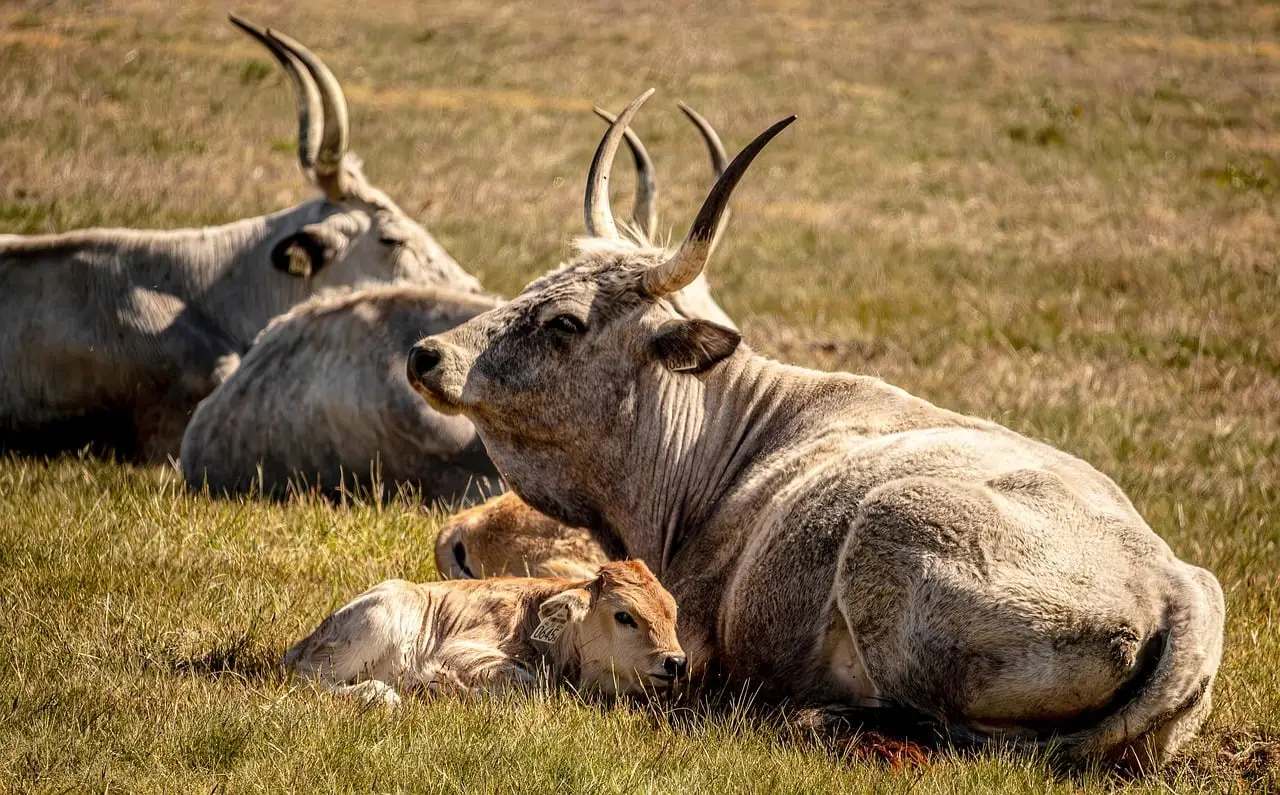
Photo: neelam279 / pixabay
By Daniel Okafor
Bluetongue affected 3,472 livestock premises in Britain during the 2026–27 season, and some farmers waited up to three weeks for test results this summer. Government figures placed 2,917 affected premises in England, 500 in Wales and 55 in Scotland, covering BTV-3 or an unspecified bluetongue serotype.
The evidence combines parliamentary testimony with government surveillance counts, not a controlled animal study. It counts affected premises rather than individual animals and provides no vaccine-efficacy estimate.
On Tuesday, 3 November, the Environment, Food and Rural Affairs Committee heard the NFU warn that pressure on veterinary services and testing facilities could weaken Britain’s response to several livestock emergencies. NFU chief animal health and welfare adviser Catherine McLaughlin told MPs: “We are very concerned that our capability just isn’t there to deal with it on several fronts.”
How large is the outbreak and where are the detection gaps?
Britain is experiencing its worst recorded bluetongue outbreak, based on the affected-premises figures. McLaughlin said farmers confronting widespread infection could mistake symptoms of other serious notifiable diseases for bluetongue, delaying detection.
For veterinarians, that possibility raises the importance of differential diagnosis and complete histories when bluetongue circulates widely. It also makes producer reporting an operational part of disease detection.
Takeaway: The outbreak has exposed weaknesses in both early disease recognition and laboratory throughput.
Can the testing system keep pace?
Pirbright Institute submissions rose from around 100 samples a week in mid-July to approximately 150 a day by late July. Professor Dan Horton, the institute’s director of science, told MPs that laboratory turnaround times had increased to between 10 and 12 days.
The laboratory interval was shorter than the maximum three-week wait reported by some farmers, showing why laboratory figures alone do not describe the entire testing pathway. Around 40% of submissions lacked necessary information, while priority given to pre-movement testing added further delays.
Horton maintained that Pirbright had not exceeded its stated testing capacity. The backlog eventually cleared by the end of August. The Animal and Plant Health Agency (APHA) expanded testing at its Weybridge laboratories during the outbreak to help manage demand and speed delivery of results.
Takeaway: Surge capacity helped clear the backlog, but incomplete submissions and testing priorities prolonged waits.
Can farmers use vaccines effectively?
Vaccine availability and uptake came under scrutiny after supply constraints, financial pressures and uncertainty over effectiveness complicated efforts to protect livestock. The evidence named no vaccine product and supplied no dosing protocol or efficacy estimate.
British Veterinary Association president Dr Gwen Rees said tight farming margins made preventative vaccination difficult, particularly when farmers could not judge their immediate disease risk. She also said early campaigns struggled to reach farmers effectively despite considerable efforts to promote uptake.
For livestock keepers, prevention decisions now combine supply, cost and perceived near-term risk with unresolved effectiveness uncertainty. Campaign promotion alone has not removed those barriers.
Takeaway: Better testing will not remove exposure risk until vaccine supply, affordability, uptake and effectiveness become clearer.
What does the Shamonda virus detection show?
Concerns intensified after the first confirmed detections of Shamonda virus in cattle at two dairy farms in Powys and Shropshire in October. The emerging midge-borne virus can cause fever, diarrhoea, reduced milk production and reproductive problems in cattle.
APHA said the detections demonstrated that existing surveillance and diagnostic systems remained capable of identifying emerging livestock threats. APHA chief executive Richard Lewis acknowledged broader pressure on the agency’s operating model but stressed that safeguards remained to identify serious notifiable diseases, including foot-and-mouth disease.
The agency is introducing digital reporting systems and developing permanent outbreak response teams to strengthen future capacity. A review involving government and industry representatives is expected later in November to identify improvements before the next outbreak season.
With the 2027 midge season approaching, the unresolved questions are faster testing, improved vaccine access and deployable emergency arrangements. Takeaway: The planned response has clear components, but their delivery before the next season remains unproven.
What changes for livestock, pets and public health?
- Food animals: Livestock keepers face delayed movement decisions, possible diagnostic confusion and barriers to preventative vaccination. The 2026–27 count concerns premises, while the October Shamonda detections involved cattle on two dairy farms.
- Companion animals: The account did not report companion-animal cases, transmission findings or vaccination recommendations. No pet-specific practice change can be inferred from this livestock evidence.
- Public health: Parliamentary evidence reported no human infection findings, foodborne illness estimates or quantified public-health risks. Its public-health relevance concerns surveillance and containment of serious animal disease, including foot-and-mouth disease.
- Regulation: The evidence named no vaccine brand and cited no authorization decision by FDA CVM, EMA or USDA. The explicit regulatory fact was that Shamonda virus is not currently a notifiable disease in Britain.
Takeaway: Before the 2027 midge season, faster testing, better vaccine access and standing emergency teams must move from plans to operation.
Source: Google News: Livestock health
Daniel Okafor
Show full bio
News editor covering technology and product news in Small- and large-animal clinical practice at The Vet Scope.
Related articles
Bluetongue: how the Animal Health and Welfare Pathway can support farmers
GOV.UK flags second-hand bluetongue vaccine trade in new alert
Surplus bluetongue vaccine sharing draws formal UK farmer warning
Cyprus confirms BTV-4 in livestock as bluetongue detections continue
UK Commits £54 Million to Biosecurity Research for Livestock Disease