Bluetongue: how the Animal Health and Welfare Pathway can support farmers
A GOV.UK blog explains how Defra's Animal Health and Welfare Pathway gives English farmers a funded veterinary route to prepare livestock for bluetongue.
Updated
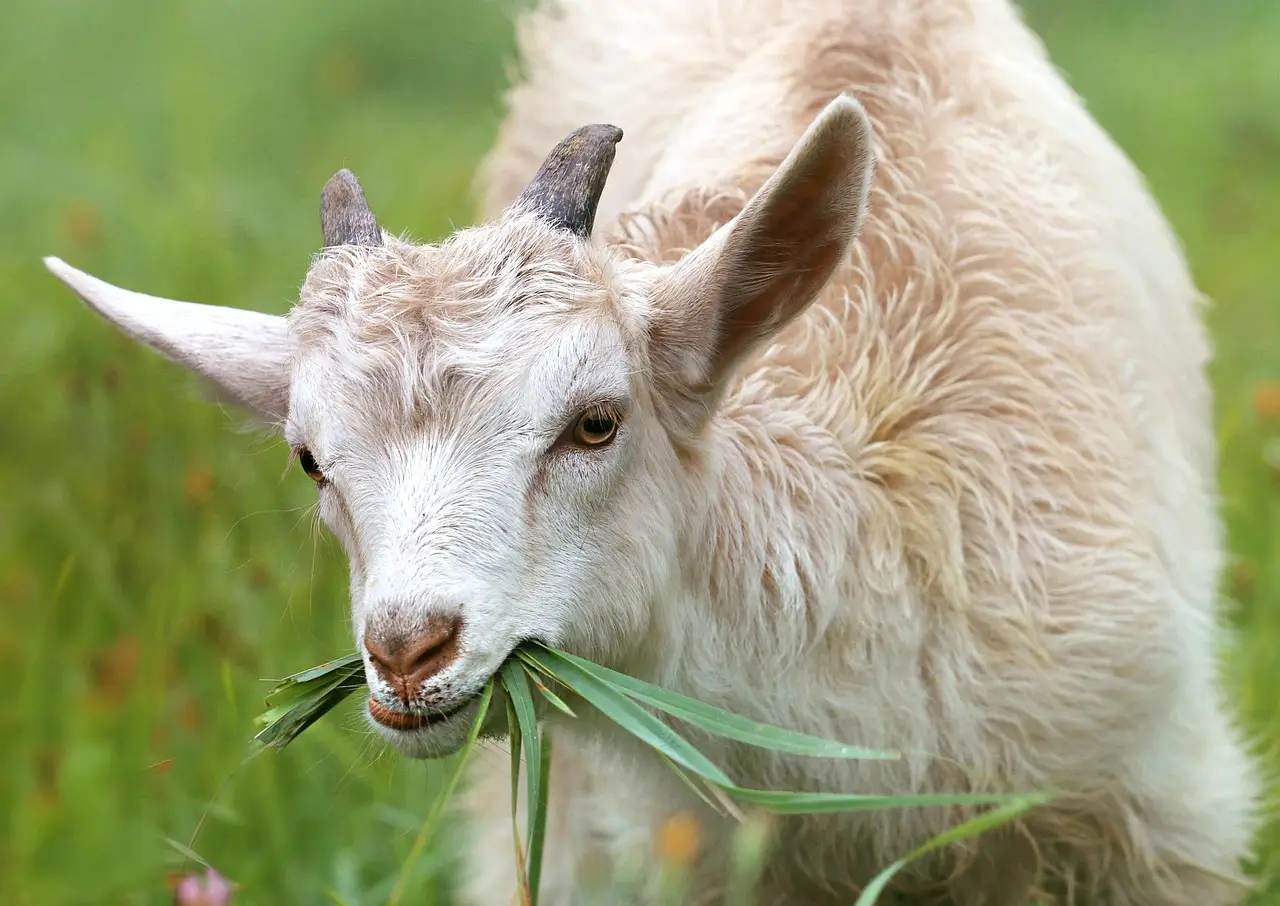
Photo: stevepb / pixabay
A GOV.UK blog post published under the title "Bluetongue: how the Animal Health and Welfare Pathway can support farmers" sets out how an existing English farm-support scheme can be used by keepers facing bluetongue risk in their livestock.
The blog connects two things that farmers in England already deal with separately. One is bluetongue, the midge-borne viral disease of ruminants that disrupts trade, movement and fertility when outbreaks occur. The other is the Animal Health and Welfare Pathway, the government-funded programme that pays for veterinary visits and rewards higher welfare and biosecurity standards on farm.
What is the Animal Health and Welfare Pathway?
The Pathway is the Department for Environment, Food and Rural Affairs' (Defra) flagship livestock health scheme in England. It funds structured veterinary reviews of herd and flock health, with an emphasis on endemic disease reduction, biosecurity planning and welfare improvement. The blog positions this machinery as a practical route through which farmers can review their bluetongue preparedness rather than treating the disease as a matter for government action alone.
That framing matters at the farm gate. A funded veterinary visit gives the practitioner a seat at the table when the conversation turns to vaccination decisions, vector management and movement planning — the three levers keepers actually control when bluetongue circulates.
Why bluetongue keeps coming back
Bluetongue virus spreads through Culicoides biting midges, not through direct animal-to-animal contact in most field conditions. That mechanism shapes every control option. You cannot fence out a midge. What you can do is reduce the susceptibility of the animals, review where and when stock are moved, and plan for the possibility that restrictions on movement and trade follow an outbreak.
The blog's core message is that these are exactly the kinds of decisions a Pathway-funded veterinary review is designed to support. The review converts a general anxiety about an incursion into a written, farm-specific plan.
What changes for veterinary practitioners?
For vets working with cattle, sheep and other ruminants in England, the piece signals demand for two things:
- Structured health reviews that put bluetongue on the agenda alongside endemic disease.
- Biosecurity and vaccination conversations that are documented, so the farm has evidence of preparedness if the disease situation changes.
The Pathway gives those conversations a funding line. That distinguishes it from advice delivered ad hoc during routine calls, which farmers may defer when no immediate outbreak is in the news.
Companion animals, food animals and public health
Bluetongue is a disease of ruminants — cattle and sheep chief among them — and of some camelids. Dogs are not part of the transmission cycle. Humans are not affected. The public-health footprint is essentially zero; the food-animal and trade footprint is large, because detection triggers movement controls, testing costs and export disruption that can outlast the entomological risk itself.
That asymmetry explains why government communication leans on preparedness schemes like the Pathway rather than emergency response alone. The costs of bluetongue concentrate in livestock economics, and the mitigation tools sit with the keeper and the vet.
The road ahead
Defra's blog suggests the Pathway will remain part of the official toolkit for bluetongue readiness in England, giving farmers a funded channel to plan with their vet before, not after, the next midge season.
Source: Google News: Livestock health
Grace Kim
Show full bio
Staff writer covering regulation, policy and their impact on Small- and large-animal clinical practice at The Vet Scope.
Related articles
UK Farmers Warned Against Online Bluetongue Vaccine Sales
UK Commits £54 Million to Biosecurity Research for Livestock Disease
GOV.UK flags second-hand bluetongue vaccine trade in new alert
UK Government Confirms Work on Livestock Vaccine Strategy
BVA's New President Targets National Disease Preparedness