Texas A&M Team Sterilizes Screwworm Flies in Seconds With Electron Beams
Texas A&M AgriLife researchers show electron beam technology sterilizes New World screwworm pupae in seconds, replacing cobalt-60 as a $2.1 billion threat looms over Texas cattle.
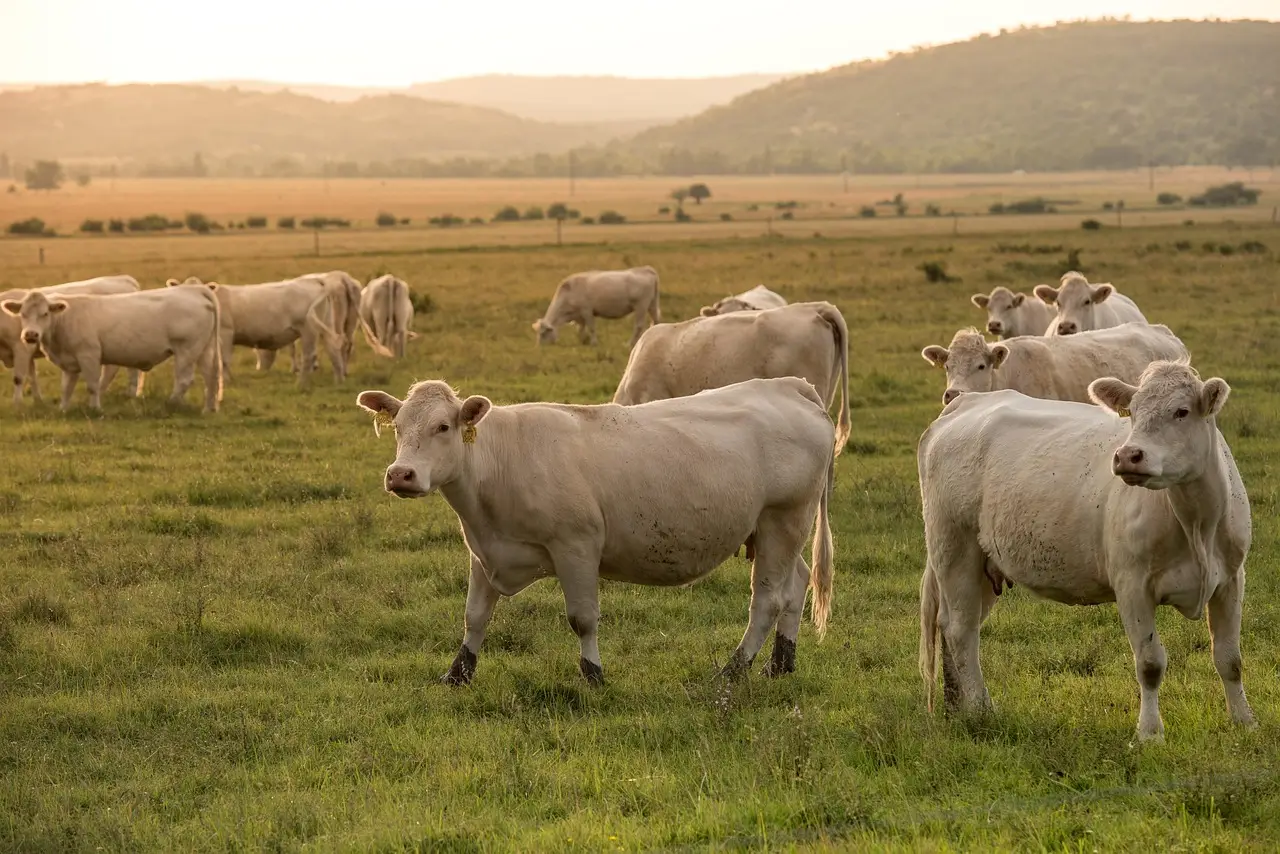
Photo: Linzmeier1 / pixabay
A large New World screwworm outbreak in Texas would cost the state's cattle industry an estimated $2.1 billion and threaten its $9 billion hunting and wildlife sector, according to Texas A&M AgriLife Extension Service economist estimates. Against that backdrop, AgriLife Research scientists in College Station report they have sterilized New World screwworm flies with electron beam technology, in seconds per batch, without a single gram of radioactive material.
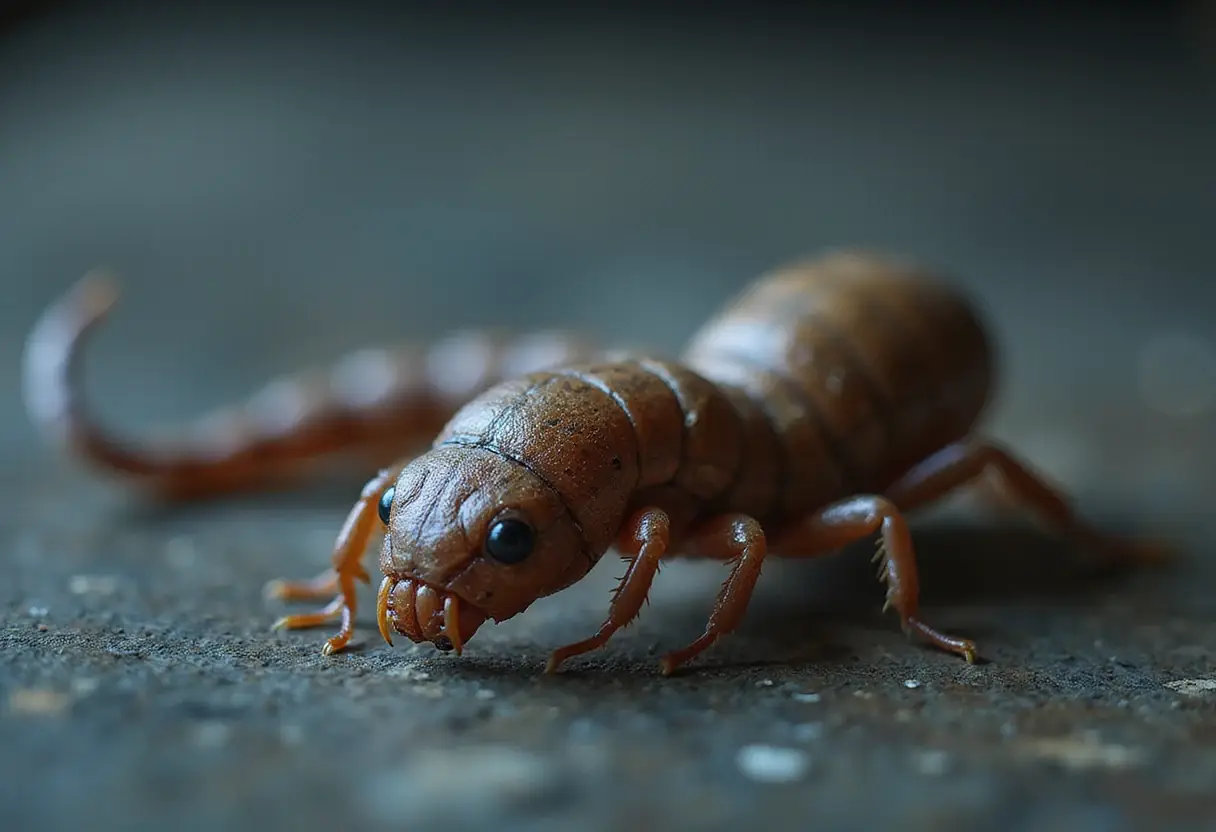
The target is Cochliomyia hominivorax, the parasite whose larvae feed on the living tissue of livestock and wildlife, and whose northward advance has drawn renewed attention from Texas and federal agencies. The control method under revision is the Sterile Insect Technique, or SIT: crews release mass-reared, sterilized male flies into wild populations. Because females mate only once, a sterile pairing produces eggs that never hatch, and the wild population collapses.
What changes at the treatment line?
Since the screwworm eradication era began, SIT programs have sterilized pupae with radioactive isotopes, chiefly cobalt-60. That isotope imposes safety, security, cost and logistical burdens on any facility that handles it. The Texas A&M team, led by Suresh Pillai, Ph.D., director of the National Center for Electron Beam Research and professor in the Department of Food Science and Technology, replaced the isotope with commercial electricity. An accelerator generates high-energy electron beams; operators tune beam strength and exposure time for each application.
The same physics already sterilizes medical devices, imported produce and spices, and has been applied to eliminating environmental pollutants. What is new is the target: screwworm pupae.
The collaboration paired two disciplines. Pillai's team ran the eBeam dosing and logistics, applying a range of doses across multiple rounds of testing on the pupae. Aaron Tarone, Ph.D., AgriLife Research scientist and professor, and Keyan Zhu-Salzman, Ph.D., AgriLife Research entomologist and professor, both in the Department of Entomology, handled the biology. Tarone's team dissected and examined the adult flies under microscope, assessed reproductive capability, and confirmed the treated flies could fly and complete their life cycles — with sterility the only detected effect.
How fast, and at what scale?
The trials delivered an added advantage over cobalt-60: speed. Tarone said eBeam cuts the sterilization process from minutes to seconds.
"Dr. Pillai has figured out how to precisely treat thousands of pupae in seconds, and that is very positive when you consider using this technology at the factory scale necessary for SIT efforts," Tarone said. "Everything is looking very positive."
The work built on earlier tests of eBeam against Cochliomyia macellaria, a blowfly with similar biology that served as a surrogate species before the team moved to direct testing on screwworm pupae. Remaining rounds of testing will refine dosing efficiency.
"We've demonstrated that eBeam can do what cobalt-60 does against the New World screwworm," Pillai said. "Our tests thus far make a compelling case for the use of this technology given the reduced cost and risks associated with traditional sterilization methods. There's enough data that we're confident eBeam could be the future of SIT efforts."
Federal backing follows
The timing aligns with a federal push. In January, the U.S. Department of Agriculture launched its New World Screwworm Grand Challenge, calling on federal and non-federal innovators to improve detection, control and eradication readiness. On June 17, USDA announced $105 million for 40 breakthrough research projects selected through the challenge, eBeam research among them.
The eBeam center, based on the Texas A&M campus in Bryan-College Station, was named an International Atomic Energy Agency collaborating center in 2014 for eBeam use in food, health and environmental applications. It also partners with the U.S. Department of Energy and Pacific Northwest National Laboratory to help industries move away from radioactive-source technology. Under one funded project, the center will assist two companies in developing prototype eBeam platforms for broader SIT applications.
G. Cliff Lamb, Ph.D., director of AgriLife Research, framed the stakes plainly: "We are creating an innovative tool to protect Texas livestock, wildlife and the livelihoods of our producers."
Pillai said USDA-APHIS's confidence in the team exemplifies transdisciplinary collaboration on a critical national need. With dosing trials continuing and prototype platforms in development, the next test for eBeam will be whether it can scale from the College Station bench to the factory throughput that an SIT campaign against screwworm demands.
Source: morningagclips.com
Nathan Brooks
Show full bio
Senior reporter covering companies, deals and strategy in Small- and large-animal clinical practice at The Vet Scope.