San Antonio Animal Care Services Flags Canine Distemper Uptick
San Antonio Animal Care Services has flagged an uptick in canine distemper cases, putting a familiar morbillivirus back on the front desk at area clinics. Vaccination review and shelter biosecurity move to the top of the practice list.
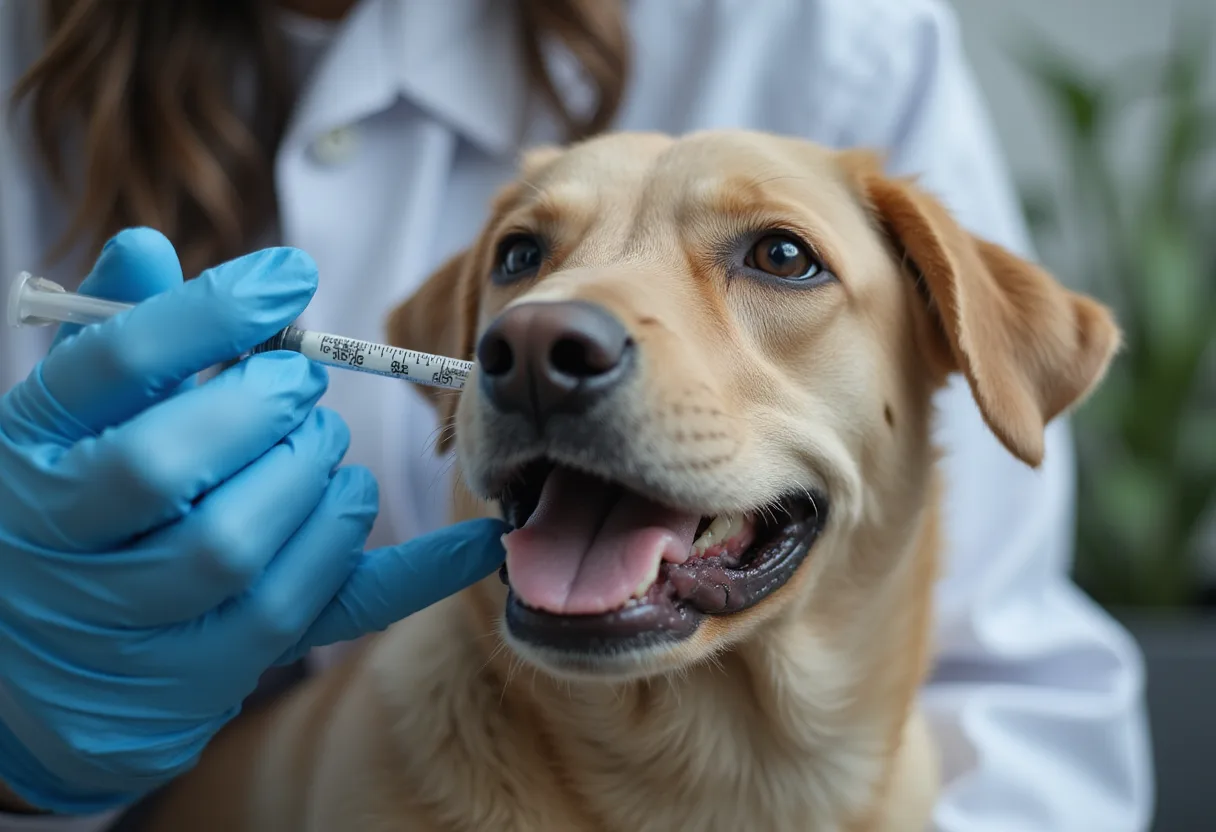
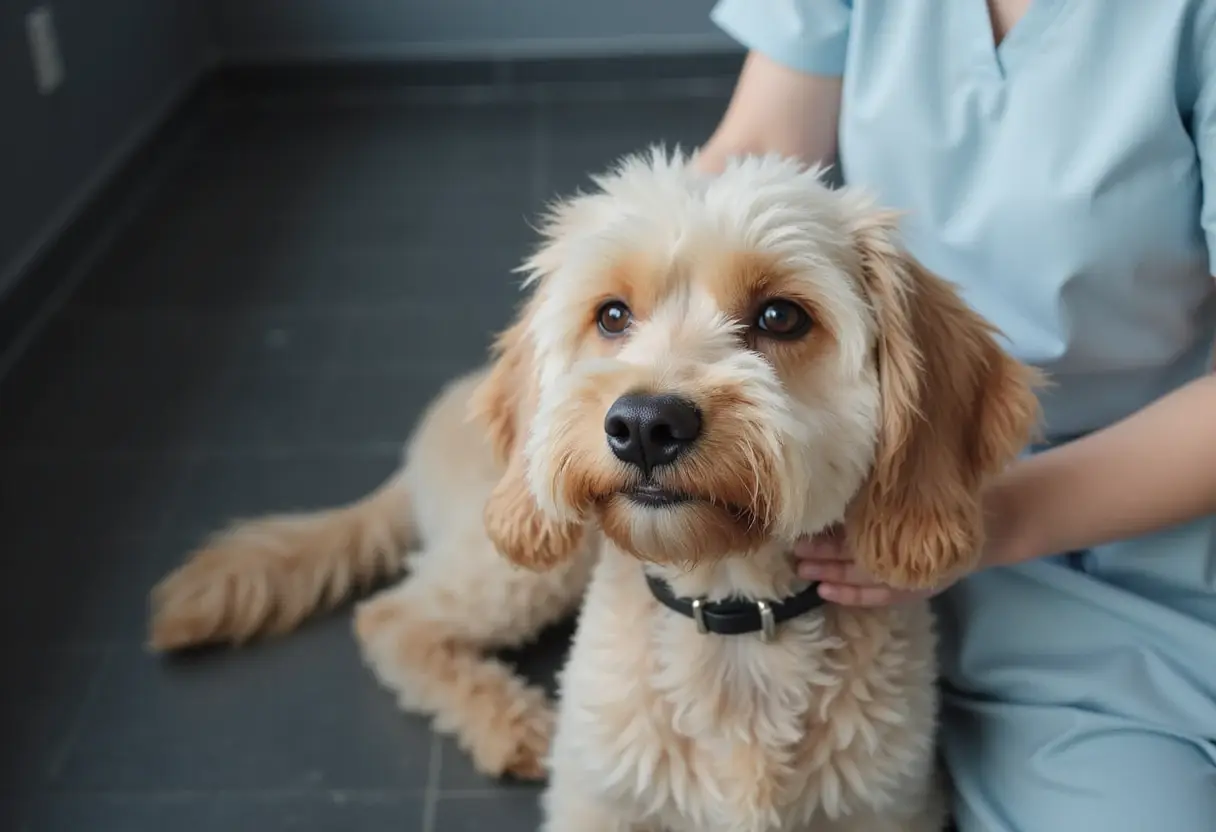
Photo: AI-generated
San Antonio Animal Care Services is reporting an increase in canine distemper cases, prompting the agency to alert local veterinary and shelter networks. The municipal notice did not include specific case counts, but the warning places a once-familiar pathogen back on the front desk at clinics across Bexar County and surrounding communities.
What practitioners are seeing
Canine distemper virus (CDV) is a morbillivirus in the family Paramyxoviridae and remains one of the most contagious multisystem infections of domestic dogs. It spreads through aerosolized respiratory secretions, urine and contaminated fomites. Case-fatality in unvaccinated animals is commonly cited between 30% and 80%, and survivors often retain neurologic deficits. Raccoons, foxes, coyotes, skunks and several zoo species also carry the virus, which complicates local control.
The textbook signalment is an unvaccinated or incompletely vaccinated puppy with serous to mucopurulent oculonasal discharge, cough, fever and anorexia, followed several days later by GI signs and, in roughly half of clinically affected dogs, neurologic involvement. Hard-pad hyperkeratosis, myoclonus and seizures anchor the classic description. Atypical presentations, including enamel hypoplasia in puppies infected before permanent dentition erupts, are easy to miss without a careful history.
What changes at the exam table
Confirm vaccination status before the appointment. Dogs in the San Antonio area presenting as "kennel cough" or with fever of unknown origin should be tested by PCR on conjunctival, tonsillar or whole-blood swabs before a milder respiratory pathogen is assumed. Commercially available options commonly used in North American reference labs include the IDEXX RealPCR CDV panel and the Zoetis VCheck CDV Ag test. Confirmatory submission to the Texas A&M Veterinary Medical Diagnostic Laboratory or another state facility may be required for reportable-disease follow-up.
What it means for shelters
San Antonio Animal Care Services operates one of the highest-volume municipal intake facilities in the state, and any rise in CDV stresses quarantines, foster placement and adoption pipelines. Standard outbreak measures include:
- Immediate separation of clinically affected dogs
- Twice-daily disinfection with an accelerated hydrogen peroxide or potassium peroxymonosulfate product at parvovirus-effective dilutions
- Intake vaccination for dogs four weeks and older using USDA-licensed modified-live products such as Nobivac Canine 1-DAPPv (Merck Animal Health) or Recombitek C6 (Boehringer Ingelheim), repeated at two- to three-week intervals until the animal reaches 16 weeks
- Suspected cases reported to the Texas state veterinarian's office, where canine distemper appears on the reportable disease list alongside rabies and canine influenza
Public-health framing
Canine distemper is not zoonotic. Practitioners can state that clearly at the front desk. The broader morbillivirus family — measles, rinderpest (declared eradicated in 2011), phocine and cetacean morbilliviruses — shares structural features, and wildlife CDV surveillance sometimes functions as a sentinel for related pathogen circulation. The San Antonio Metropolitan Health District has not, in the available public materials, flagged any human health concern tied to the canine cases.
What owners should do this week
Review distemper-parvo vaccination records now. A single missed DA2PP booster leaves adolescent dogs vulnerable. Adult dogs whose last combined vaccine was administered more than three years ago should receive a booster before group activities, boarding, daycare, dog parks and grooming appointments resume. The American Animal Hospital Association 2022 vaccination guidelines support a three-year revaccination interval after an initial series plus a one-year booster, but clinicians may shorten that interval during local outbreaks, particularly for dogs at shelter or show exposure.
Operational signals for practice managers
Expect an uptick in calls about respiratory illness, vaccination timing and foster-network inquiries. Three practice-level moves save chair time:
- A prewritten client-portal message on respiratory signs and when to come in
- A reception script triaging "my puppy is sneezing" calls
- Isolation logistics rehearsed in writing — dedicated exam room, dedicated equipment and a clean curbside-to-clinician handoff
What the rest of the country should watch
The pattern matters more than the geography. Canine distemper resurges where intake pressure meets incomplete community immunity, and the early-warning signals that triggered this alert — clusters of coughing dogs, fostered puppies with crusty noses, more shelter-referred neurologic cases — appear in other metropolitan areas every shelter season. The next reporting cycle from the City of San Antonio will indicate whether this uptick is a local blip or a regional signal heading into peak boarding, grooming and show weeks.
Source: Google News: Veterinary medicine
Grace Kim
Show full bio
Staff writer covering regulation, policy and their impact on Small- and large-animal clinical practice at The Vet Scope.
Related articles
Vomiting in Dogs and Cats: Parasites Belong on the Differential List
Hantavirus Remains a Persistent Zoonotic Threat for Veterinary Teams
New Veterinarians Urged to Tackle Animal-Human Diseases
Community-Led Dog Vaccination Could Cut Rabies Deaths, WSU Study Finds
DVM360 frames feline panleukopenia from the diagnostic bench