Vomiting in Dogs and Cats: Parasites Belong on the Differential List
A Chihuahua underwent exploratory surgery for persistent vomiting; the cause was Physaloptera stomach worms a 15-minute fecal test could have suggested.
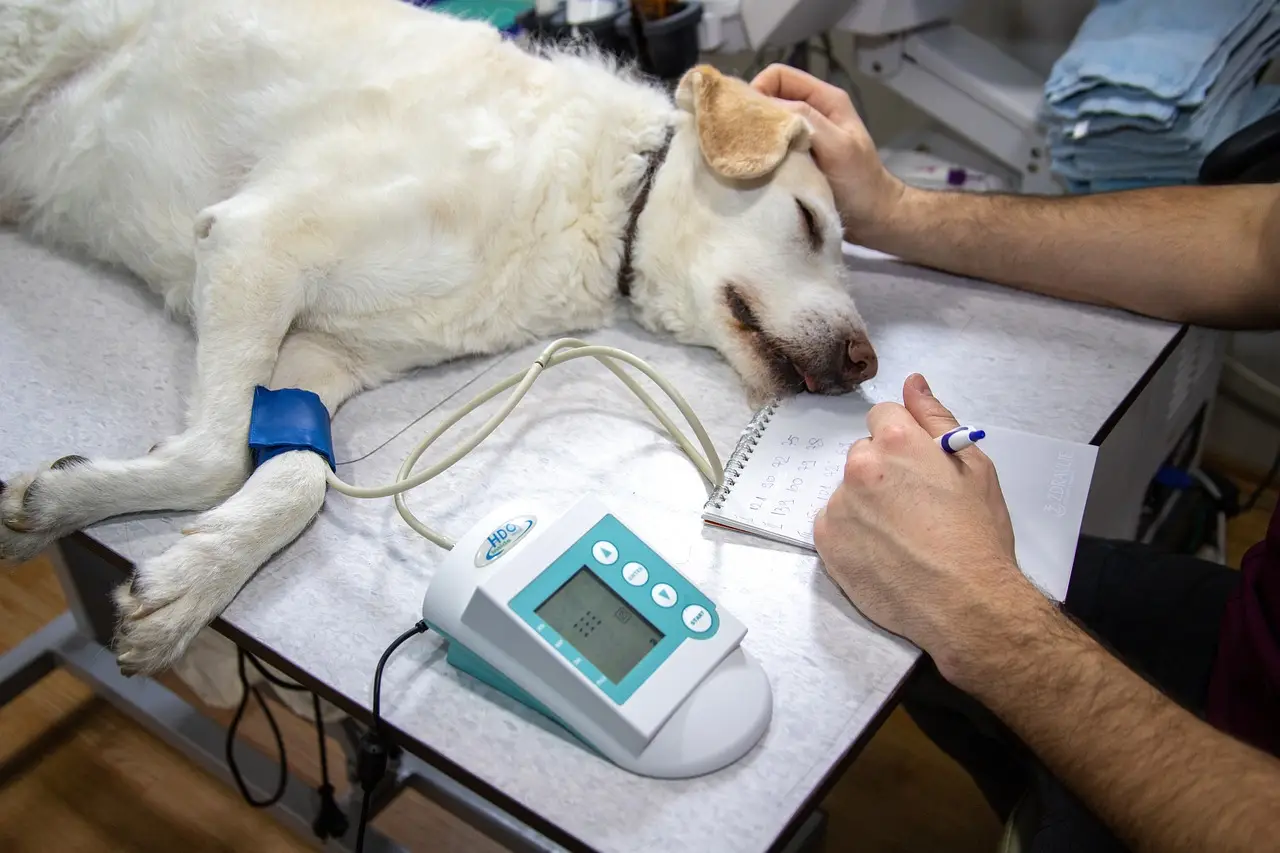
Photo: jarmoluk / pixabay
A 3-year-old male castrated Chihuahua named Toby spent 10 days on symptomatic care for persistent vomiting, underwent a normal barium study and an exploratory laparotomy, and only at surgery did clinicians find multiple 1-cm worms attached to his stomach wall. The parasites turned out to be Physaloptera species — a diagnosis a fecal sedimentation test, run in-clinic in less than 15 minutes, could have flagged before the scalpel.
That case, published in Today's Veterinary Practice, anchors a clinical review arguing that parasitism is routinely overlooked as a cause of emesis in dogs and cats, even though it is among the cheapest and fastest diagnoses to pursue.
Why fecal testing should come first
Vomiting ranks among the most common presenting complaints in small-animal practice, and many of its causes — gastrointestinal disorders, dietary indiscretion, infectious agents — cluster in dogs under 1 year of age, the same window in which parasitism is most frequently diagnosed. The article's central recommendation is procedural: for any vomiting patient without an obvious life-threatening etiology such as a foreign body or toxin ingestion, quick, minimally invasive fecal tests should precede exploratory laparotomy or endoscopy.
Most tests require only a passively collected fecal sample, or serial samples for parasites with intermittent shedding. But test selection matters. Centrifugal fecal flotation with concentrated sugar solution floats nematode eggs such as hookworms, roundworms and whipworms very effectively, yet it can miss heavier eggs — including Physaloptera and flatworm eggs — which fecal sedimentation detects more reliably.
Which parasites cause vomiting?
The review catalogs the major parasitic differentials for the vomiting dog or cat in the United States:
- Physaloptera species (P rara, P praeputialis): stomach-dwelling spirurid nematodes acquired by ingesting crickets or beetles. Vomiting is the hallmark sign, sometimes the only one, and can occur at low worm burdens — even in prepatency, before eggs are shed. Eggs are small and larvated and typically require fecal sedimentation to find.
- Toxocara canis and T cati: common roundworms of puppies and kittens, spread via environmental eggs, paratenic hosts or transplacental transmission. Nearly every litter encounters them early in life. Vomiting is more likely in cats than dogs; severe infections produce worm masses and a potbelly. Sugar-solution centrifugal flotation is the in-clinic test of choice.
- Heterobilharzia americana: the trematode behind canine schistosomiasis, acquired when cercariae penetrate a dog's skin during swimming in contaminated freshwater. Signs range from chronic enteropathy to vomiting, weight loss, polyuria, polydipsia, fever and dermatitis. Diagnosis combines fecal sedimentation — which must use saline, because eggs hatch immediately in water — with CBC, chemistry, urinalysis and imaging. Typical findings include anemia, eosinophilia, calcium derangements, hyperglobulinemia, hypoalbuminemia and isosthenuria.
- Spirometra species: a cestode of dogs and cats acquired by eating infected frogs, snakes or other small vertebrates. Infections are usually asymptomatic, but cats in particular may vomit, and proglottids can appear in vomitus. Zinc-sulfate centrifugation or sedimentation is recommended; copro-PCR can confirm.
- Cystoisospora and Giardia: protozoa, most often associated with diarrhea, that can present with vomiting, lethargy and abdominal pain. Diagnosis relies on oocysts or cysts (zinc-sulfate flotation for Giardia) alongside clinical signs.
The less familiar differentials
Several other parasites made the list. Dirofilaria immitis causes periodic vomiting more often in cats than dogs. Ollulanus tricuspis, a feline stomach nematode transmitted through vomitus, produces chronic vomiting and gastritis, diagnosed by Baermann testing of vomitus or gastric lavage fluid. Spirocerca lupi, found in esophageal nodules of dogs and reported in the US mostly in wild canids from southern states, causes vomiting, weight loss, dysphagia and potential esophageal neoplasia. Oslerus osleri, a tracheal nematode reported mainly from coyotes, spreads from dam to puppies through saliva or feces and causes coughing and vomiting. Mesocestoides larvae can rarely penetrate the intestinal wall and cause peritoneal larval cestodiasis with vomiting. Platynosomum fastosum, a feline bile-duct trematode acquired from eating lizards and geckos, is more common in southeastern states and Hawaii. And coprophagic dogs can pass spurious, generally nonpathogenic parasites such as Eimeria on fecal centrifugation.
What the Toby case teaches
Toby presented with a week of vomiting and an inability to keep food down, yet stayed bright, alert and normally active with formed stools and normal bloodwork. No fecal testing was performed before surgery. Even a correct test choice would not have guaranteed an answer: prepatent Physaloptera infections produce false negatives, since immature worms still irritate the stomach without shedding eggs.
The bottom line for practice: no single fecal test detects every parasite, so matching the diagnostic method to the differential — and reaching for fecal diagnostics before invasive imaging or surgery — reduces cost, time and patient risk.
Original: doi.org
Amara Osei
Show full bio
Correspondent covering companies, deals and strategy in Small- and large-animal clinical practice at The Vet Scope.
Related articles
Vomiting Potbellied Pigs: Diagnose Like a Dog, Treat Like Food Animal
MiDOG Launches First NGS-Based Parasite Detection Test for Veterinary Use
San Antonio Animal Care Services Flags Canine Distemper Uptick
Ten-Minute Heartworm Test Matches Lab ELISA in 350-Sample Study
2026 They Ate What?! X-ray Contest Winners Announced by Veterinary Practice News