Rain After Drought Raises Prussic Acid Poisoning Risk in Livestock
Rainfall breaking a drought can trigger cyanide-prone regrowth in sorghum forages, putting cattle at acute risk of prussic acid poisoning on recovering pasture.
Updated
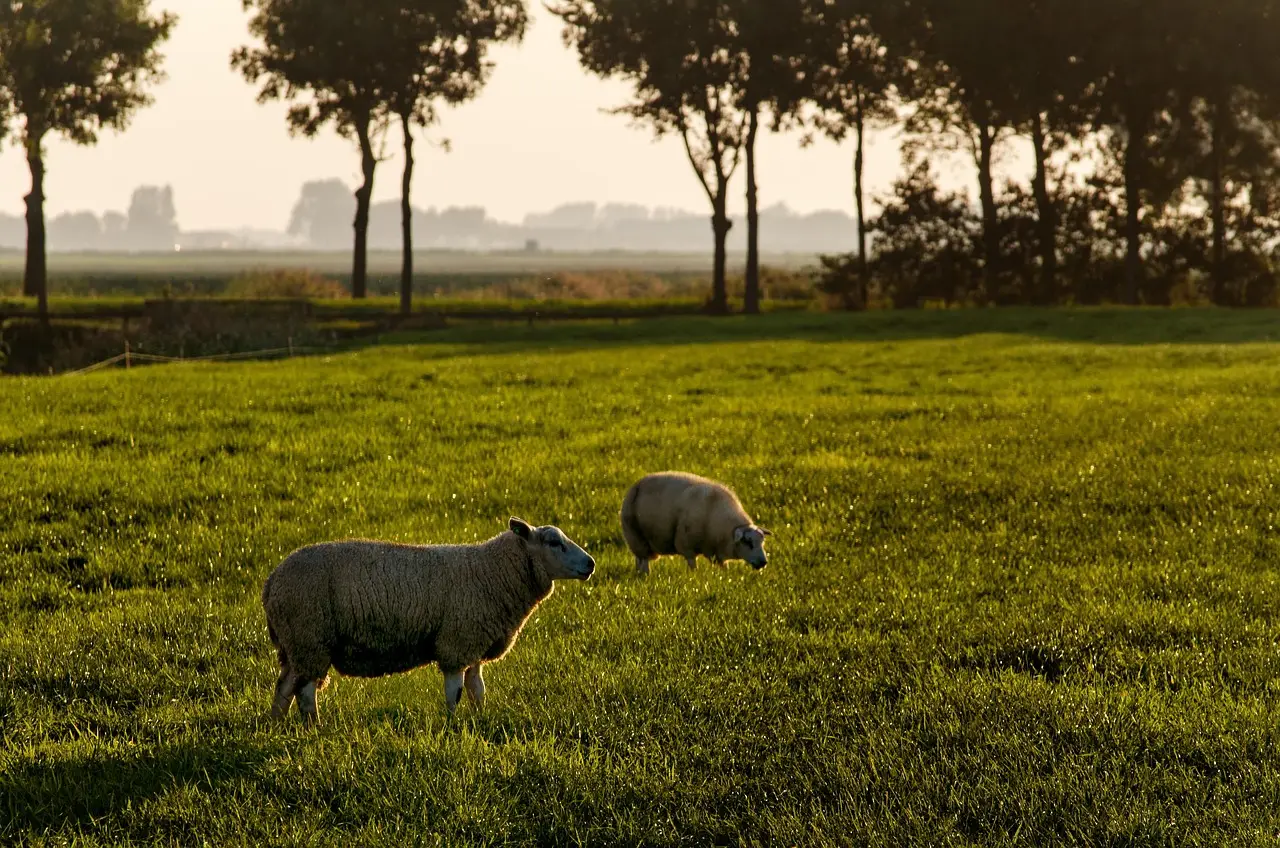
Photo: 4379051 / pixabay
The first rain that breaks a drought can turn sorghum-family forages lethal. That is the warning carried by a recent Morning Ag Clips advisory, which flags prussic acid poisoning as an acute risk for cattle and other ruminants grazing drought-stressed crops in the days after rainfall.
Prussic acid — hydrogen cyanide — forms when drought-injured plants in the Sorghum family break down dhurrin, a cyanogenic compound concentrated in young, rapidly regrowing tissue. Species on the risk list include:
- Johnsongrass
- Sorghum-sudangrass hybrids
- Sudangrass
- Forage sorghum
- Grain sorghum
Drought stalls growth and lets dhurrin accumulate in leaves and tillers. Rainfall then triggers a flush of new, leafy regrowth — precisely the tissue that carries the highest concentration of the precursor compound. Grazing that regrowth too early is the classic pathway to acute cyanide toxicosis in livestock.
Why the timing matters at the pasture gate
Cyanide from prussic acid works fast. Affected animals can show respiratory distress, muscle tremors, staggering and bright red venous blood, and death can follow within minutes to hours of a toxic dose. Ruminants are the most susceptible class because rumen microbes convert dhurrin into free cyanide efficiently; cattle carry the greatest risk on pasture, with sheep and goats also vulnerable.
For practitioners and producers, the advisory's practical translation is a grazing-hold on drought-stressed sorghum forages immediately after rain. Agronomic guidance for these species has long called for delaying turn-out on fresh regrowth rather than grazing it green, and for testing suspect forage before it reaches the bunk or the pasture.
What separates companion, food-animal and public-health angles
This is a food-animal and pasture-management story. Dogs and horses do not face the same exposure pathway; the poisoning scenario centers on ruminants grazing or being fed green-chop from stressed sorghum species. The public-health dimension is correspondingly narrow: prussic acid is a livestock-toxicity issue rather than a residue or food-safety issue, but a mass-cattle loss event carries real economic weight for the operation involved.
Mitigation steps the advisory points toward
Producers coming out of drought can cut the risk in the field and at the gate:
- Hold cattle off sorghum-family regrowth until plants have regained safe maturity after rain
- Prefer hay or silage over fresh grazing for suspect forage, since curing and fermentation reduce cyanide potential
- Avoid grazing animals that are hungry or stressed on high-risk pasture, because they consume more forage faster
- Test doubtful fields or feeds before use, and remove the herd at the first sign of trouble
Why this advisory lands now
Drought followed by rainfall is the meteorological signature that precedes prussic acid incidents year after year, and the Morning Ag Clips warning arrives in that seasonal window when producers move herds back onto recovering pasture. Veterinarians in drought-affected regions can expect the question at the exam table and over the phone: how soon is too soon to graze. As drought cycles continue to stress forage acreage, expect prussic acid advisories like this one to remain a recurring feature of the post-rainfall grazing season.
Source: Google News: Livestock health
Nathan Brooks
Show full bio
Senior reporter covering companies, deals and strategy in Small- and large-animal clinical practice at The Vet Scope.
Related articles
Auburn Case Report Details Silent Course of Oak Toxicosis
High-Protein Grazing Raises Blood Ammonia but Not Summer Scour Risk
Spinach and labada powders tested with NSP enzymes in late-phase hens
Scottish dairy pulls milk over veterinary medicine concerns
Dry Conditions Drive Farmer Demand for Mineral Blocks