Auburn Case Report Details Silent Course of Oak Toxicosis
An Auburn University case report illustrates how oak toxicosis in livestock can progress to death with almost no warning signs, often diagnosed only at necropsy.
Updated
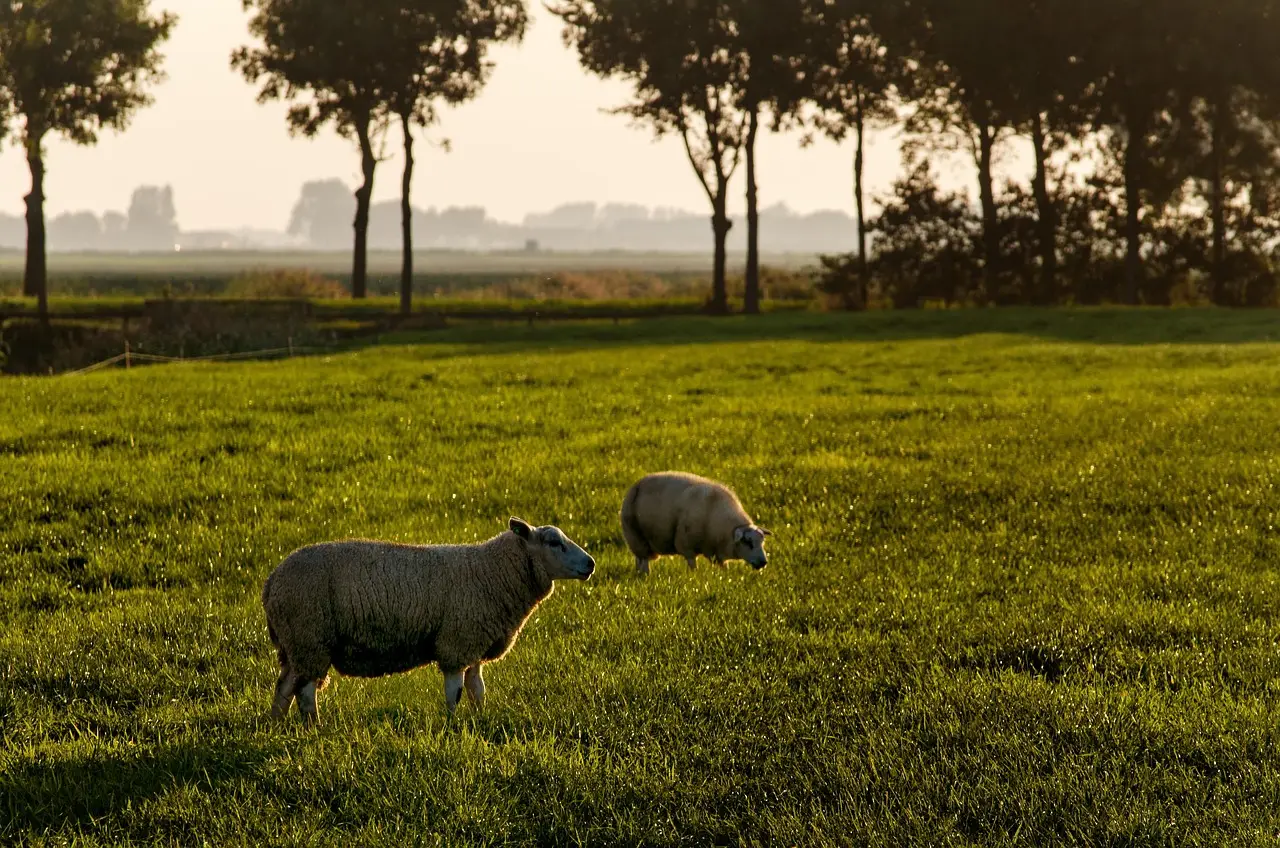
Photo: AI-generated
A case report from Auburn University, published by Vet Candy under the headline "Death Under the Oaks: An Auburn Case Shows How Quietly Oak Toxicosis Can Kill," documents how acorn and oak toxicity can progress to death with almost no outward warning.
The case centers on an animal found dead beneath oak trees — the classic presentation that makes oak toxicosis one of the more insidious toxicoses in grazing livestock. The report's central message for practitioners is the word "quietly" in its title: affected animals often show few or no prodromal signs that a producer would recognize, and the first evidence of exposure can be the carcass itself.
Oak toxicosis follows ingestion of acorns, buds, leaves, or young shoots of oak species (genus Quercus). The toxic principles are tannins and their metabolites, notably gallic acid and pyrogallol, which damage the renal tubules and gastrointestinal mucosa. The clinical syndrome in cattle classically includes anorexia, depression, constipation followed by dark, tarry or bloody diarrhea, abdominal pain, and polyuria progressing to oliguria as acute tubular necrosis advances. Edema of the perineum, ventral abdomen, and limbs can develop. The kidney, not the gut, is the organ that kills.
The Auburn report's framing — "death under the oaks" — points to the practical risk factors practitioners should probe on farm calls in late summer through fall, when acorns drop and forage quality declines. Animals with access to oak-heavy paddocks, especially hungry cattle turned onto sparse pasture, consume the largest quantities. Deaths may cluster after storms knock down acorns and branches in a single event.
At the exam table — or more often at the necropsy floor — the diagnostic picture is consistent. Gross findings include pale, mottled kidneys with hemorrhagic streaks, ulcers throughout the gastrointestinal tract, and straw-colored gelatinous subcutaneous and mesenteric edema. Histopathology confirms acute tubular necrosis. Rumen content or feces may contain visible acorn fragments, often the single most persuasive finding for an owner who doubted the diagnosis.
The report also functions as a reminder that treatment options are limited once renal failure is established. Early cases may respond to oral laxatives and activated charcoal, intravenous fluids, and calcium and electrolyte correction, but animals presenting recumbent or anuric carry a grave prognosis. Prevention is management: fencing cattle away from oaks during acorn drop, providing adequate alternative forage, and moving herds after storm events that litter pastures with acorns.
For the food-animal practitioner, oak toxicosis belongs on the differential list for any sudden death or diarrheal outbreak in the acorn season, alongside other pasture toxicoses. For public health, the implications are minimal — this is not a residue or zoonotic concern — but carcass disposition and the economic loss from clustered deaths can be substantial for a client's herd.
The Auburn case, as presented by Vet Candy, ultimately argues for earlier recognition: the quiet presentation is the reason the diagnosis so often arrives postmortem. Practitioners who ask about oak exposure at the first sign of diarrhea or depression in the fall, rather than after a death, give affected animals their only realistic chance at survival.
Source: Google News: Veterinary medicine
Amara Osei
Show full bio
Correspondent covering companies, deals and strategy in Small- and large-animal clinical practice at The Vet Scope.
Related articles
Rain After Drought Raises Prussic Acid Poisoning Risk in Livestock
Rabies Case in Cattle Prompts Safety Guidance From Health Officials
EHD Confirmed in Wisconsin Cattle, Morning Ag Clips Reports
Livestock Care After Wildfires: What Experts Advogue Practitioners
Thoracic Ultrasound Evaluated as Diagnostic Tool for Sheep Respiratory Disease