Practice in the pasture: UCalgary's veterinary faculty evolves
The University of Calgary traces how its veterinary faculty grew around a distributed learning model built for Alberta's rural and food-animal practice needs.
Updated
The University of Calgary has published a feature tracing the evolution of its Faculty of Veterinary Medicine, framed around the idea of "practice in the pasture" — a program built to serve animal health where much of it actually happens, in Alberta's rural and agricultural communities.
The piece, released on the university's news site, presents the faculty's development as a story of steady institutional growth rather than a single milestone. Its focus is the Distributed Veterinary Learning Community, the model that anchors UCVM's clinical training.
What does the model look like in practice?
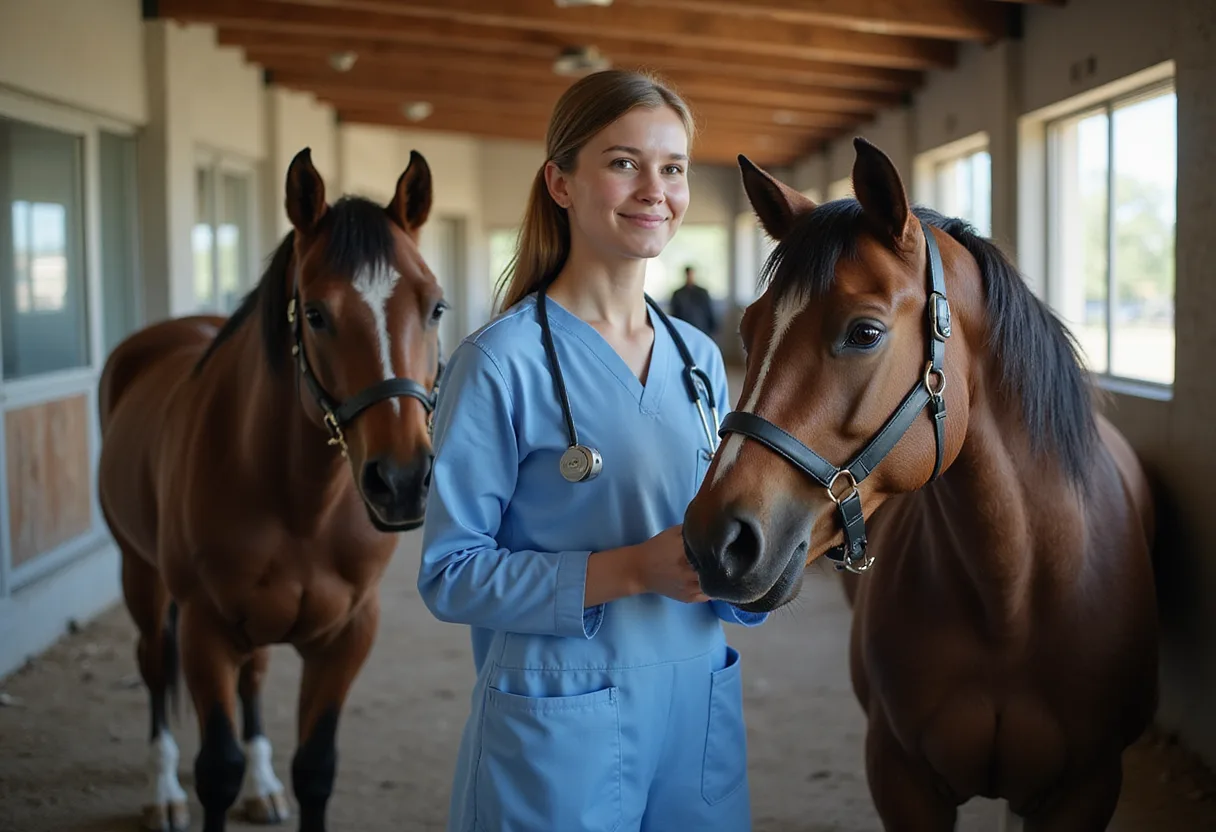
Under the distributed model, students rotate through partner practices and production settings across Alberta rather than completing all clinical work at a single teaching hospital on campus. For a province with a large beef sector and widely dispersed food-animal operations, the design places students directly in the environments where herd-level medicine, rural practice economics, and mixed-animal caseloads shape daily decision-making.
The university describes this as education delivered where veterinary services are needed, aligning the school's trajectory with regional workforce demands — a persistent concern in rural and large-animal practice across North America.
Why the school exists
UCVM was established as Alberta's second veterinary program, created with an explicit mandate tied to the province's animal-agriculture base and public-health needs. The feature recounts how the faculty developed its curriculum, research portfolio, and community partnerships from that founding purpose, positioning itself as a complement to, rather than a duplicate of, Canada's longer-standing veterinary colleges.
The retrospective highlights the people who built the program — faculty, staff, and practice partners — and the institutional decisions that shaped its current form. It does not announce new funding, construction, or policy changes; it is a retrospective on institutional identity.
What it means for the profession
For practitioners and educators outside Alberta, the article's relevance lies in the distributed-learning argument it restates: clinical competence in food-animal and rural medicine depends on exposure to real operations, real clients, and real economics before graduation. Schools weighing hospital-centric versus distributed models, and practices considering hosting rotations, will find the UCVM account a useful case study.
The university indicates the faculty's development continues, with the program positioned to keep adapting to the veterinary needs of the region it serves.
Source: Google News: Veterinary drugs
Grace Kim
Show full bio
Staff writer covering regulation, policy and their impact on Small- and large-animal clinical practice at The Vet Scope.
Related articles
LSU program targets rural food animal veterinary shortage
Colorado State University Opens New Facility Dedicated to Veterinary Medicine and Education
High School Students Trained to Fill Rural Veterinarian Gaps
Purdue Veterinary College Expands, Targeting Rural Care Gaps
Lyon College Names New Dean for Its School of Veterinary Medicine