![<
NOAA puts strong El Niño odds above 79% for early 2027
NOAA gave a strong-to-very strong El Niño a greater than 79% chance through March 2027. The ASPCA is pressing pet and livestock owners on evacuation plans, supply kits, microchips and crate training.
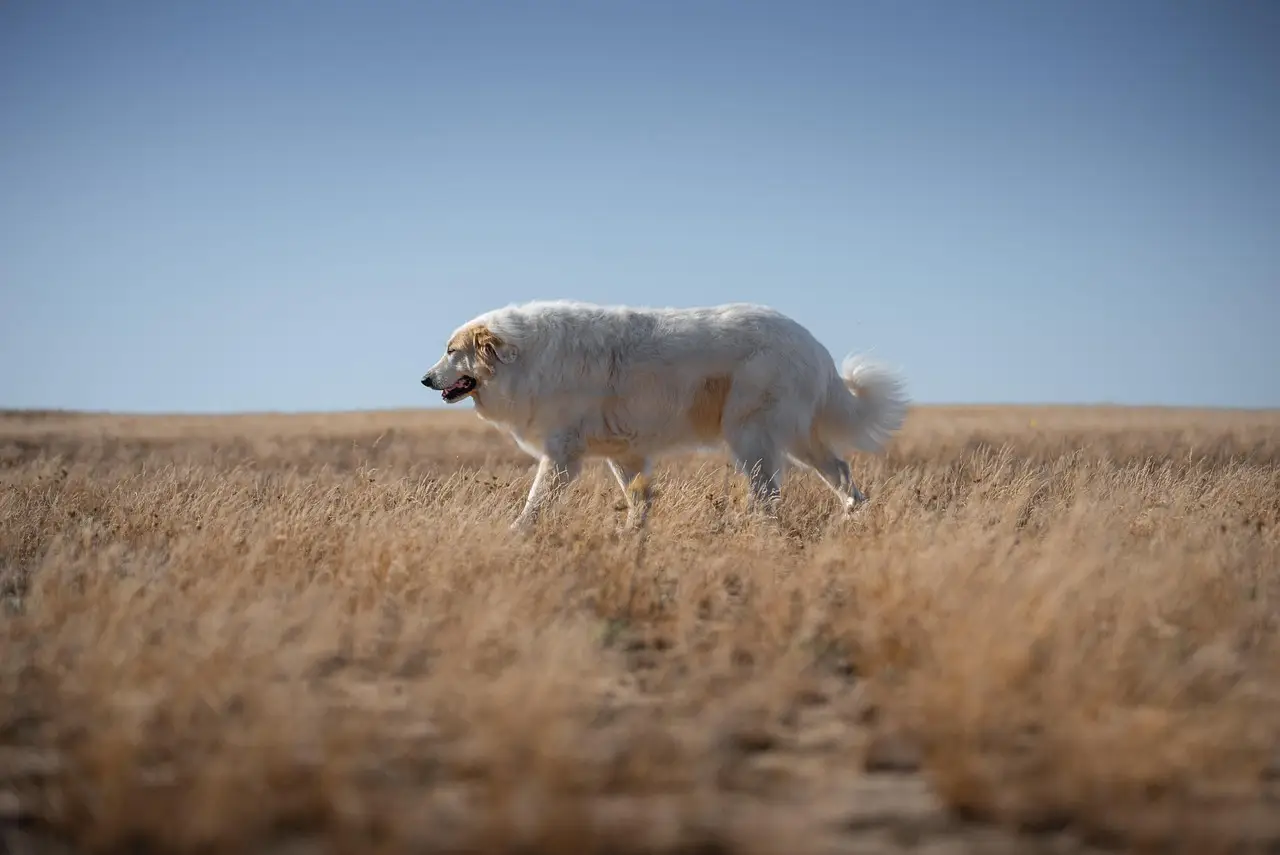
Photo: ELG21 / pixabay
The National Oceanic and Atmospheric Administration's Climate Prediction Center put the chance of a strong-to-very strong El Niño from January through March 2027 at greater than 79% on November 12, 2026. The agency's winter outlook, released October 15, 2026, projected that El Niño will shape conditions from December 2026 through February 2027.
Wetter-than-average weather is most likely across the southern tier, from the Southwest to the Southeast, and along the East Coast, the outlook said. Because the storm track and rainfall shift by region, the ASPCA advises owners to learn which risks are most likely where they live.
At McGee Park, the San Juan County Fairgrounds near Farmington, New Mexico, ASPCA responders are caring for dogs displaced by flooding that state emergency officials said left at least 10,000 homes underwater in October.
The responders work at the request of the Farmington Regional Animal Shelter, providing sheltering support and distributing pet food and supplies, according to an ASPCA statement dated November 9, 2026.
Heavy rain in early November prompted evacuation orders near the San Juan, La Plata, Animas and Chama rivers. In an October 24 request for a federal disaster declaration, state emergency officials also reported damage to dozens of homes in the Laguna, Jicarilla Apache, Zia and San Ildefonso Pueblos.
What does a strong El Niño change for pet and livestock owners?
A 2024 survey conducted by Talker Research for Hill's Pet Nutrition found that only about one-third of dog and cat owners had a disaster preparedness plan that included their pet. Preparedness resources are available at aspca.org/disasterprep, and the ASPCA provides grants and training to local agencies to strengthen their animal response capabilities.
“With the threat of a significantly strong El Niño event on the horizon, now is the time for families to make a disaster plan, gather emergency supplies, and make sure pets are included in every step of preparedness,” Susan Anderson, senior director of disaster response for the ASPCA, said in an organizational statement.
The ASPCA's November 19, 2026 news release framed the risk more broadly, warning that a historic El Niño could put tens of thousands of animals at risk nationwide.
What are the ASPCA's 8 recommendations?
The animal welfare group lists eight steps for pet and livestock owners, each aimed at a decision owners would otherwise have to make under pressure.
- “Develop an evacuation plan for all animals” — Decide where people, pets and large animals will go if the household must leave, and make sure every member knows the plan.
- “Identify pet- and livestock-friendly sheltering options” — Pet-friendly hotels, boarding facilities and emergency shelters for companion animals; fairgrounds or boarding stables for horses and other large animals.
- “Prepare emergency supply kits for all animals” — Several days of food, water, medication and other essentials; large-animal kits may need feed, halters, lead ropes and transport equipment.
- “Keep veterinary and identification records readily accessible” — Vaccination records, medical histories, prescriptions, proof of ownership and emergency contacts, held in both paper and digital form.
- “Ensure animals can be identified and reunited with you if separated” — Microchip companion animals and keep registrations current; update tags and emergency contacts.
- “Plan for extended disruptions” — Cover food, water, medication, shelter and veterinary care through extended power outages, flooding, severe storms, wildfires or displacement.
- “Prepare transportation resources before an emergency occurs” — Keep carriers within reach; stage trailers, towing equipment and loading plans for horses and other large animals.
- “Practice quick, efficient crate training” — Training beforehand makes pets comfortable entering a crate and less likely to hide during an evacuation.
What changes for companion animals, livestock and public health?
For dogs and cats, the recommendations amount to identification, containment and continuity: current microchip registrations, tags and emergency contacts; carriers kept within reach; and vaccination records, medical histories and prescriptions held in paper and digital form. Crate training reduces the chance that a frightened pet hides during an evacuation.
For horses and other large animals, the supply kit expands to feed, halters, lead ropes and transport equipment, and sheltering moves beyond hotels to fairgrounds and boarding stables. Trailers, towing equipment and loading plans have to be ready in advance, because these animals may need to move quickly.
At the exam table, the source offers continuity-of-care guidance rather than new clinical protocols: owners should plan how food, water, medication, shelter and veterinary care continue through extended outages and displacement. The advisory cites no drug or vaccine protocol and no FDA CVM, EMA or USDA rule, recall or approval, so nothing in it changes prescribing practice. For public health, the material addresses animal response capacity rather than disease surveillance or human-health guidance.
With the wet season running from December 2026 through February 2027 and the strong-event probability window opening in January, the deadline for writing these plans falls before the first evacuation order, not after it.
Source: dvm360.com
Nathan Brooks
Show full bio
Senior reporter covering companies, deals and strategy in Small- and large-animal clinical practice at The Vet Scope.
Related articles
Albay Province Reviews Livestock Risks as Super El Niño Builds
TheHorse.com Releases Cross-Species Hurricane Preparedness Guide
Two East Idaho reservoirs carry toxic bacteria, health officials warn
State Officials Ask USDA to Authorize H5N1 Vaccination for Dairy Cattle
New World Screwworm Confirmed in Texas, New Mexico; Risk Dashboard Launches