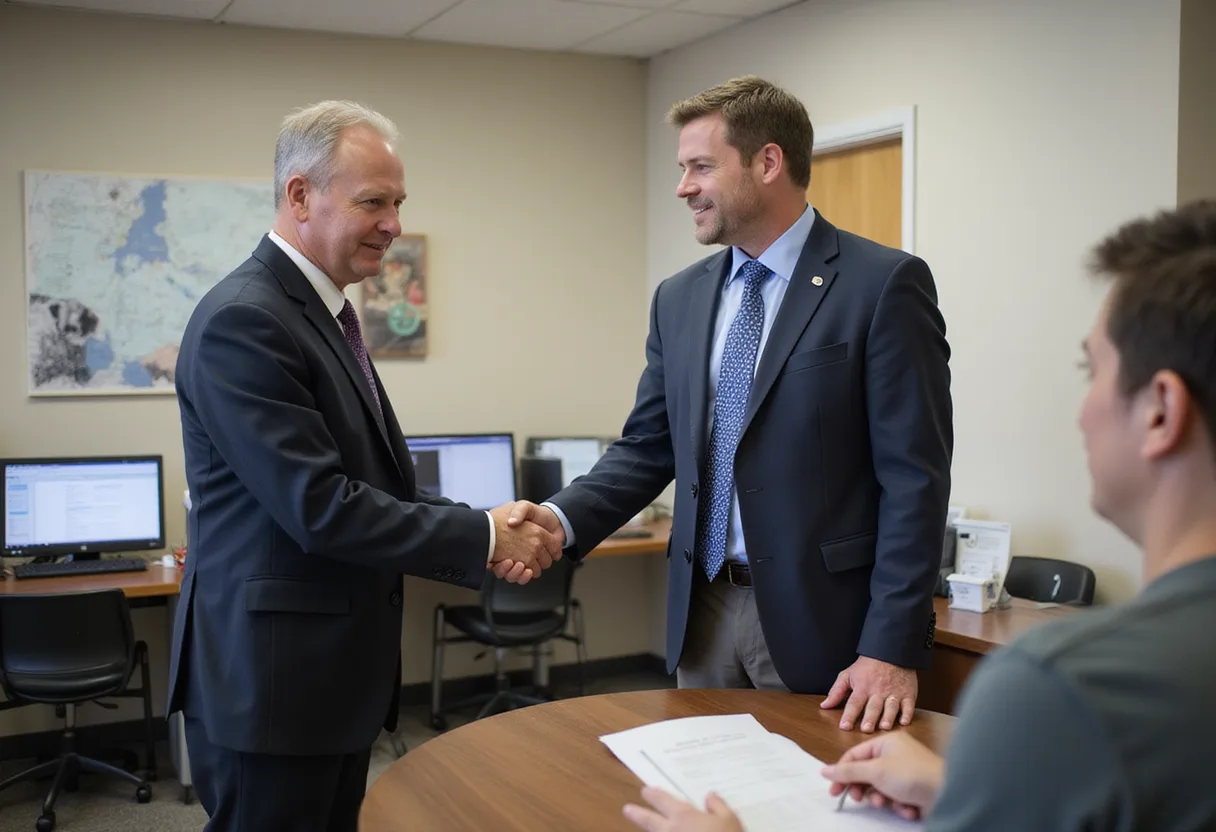
New Mexico Department of Agriculture Names New Veterinary Diagnostic Services Director
The New Mexico Department of Agriculture has hired a new director of Veterinary Diagnostic Services, the division running state labs that practitioners, producers and regulators rely on for confirmations.
Updated
The New Mexico Department of Agriculture (NMDA) has hired a new director of Veterinary Diagnostic Services, according to an announcement reported by the Roswell Daily Record.
The hire places a new leader over the division that runs the state's veterinary diagnostic laboratory infrastructure — the labs that New Mexico practitioners, livestock producers and public-health officials depend on to confirm disease cases. The agency did not detail the hire in materials summarized in the report beyond the appointment itself.
What does the Veterinary Diagnostic Services division do?
Diagnostic leadership roles at state departments of agriculture carry practical weight. The director oversees the labs that receive submissions from clinics, farms and regulatory veterinarians, and that generate the case confirmations which trigger reporting, quarantine and trade decisions.
For food-animal veterinarians in New Mexico, that workload matters directly. Dairy, beef and equine operations in the state routinely submit samples for culture, pathology and serology. Turnaround times, test menus and reporting protocols all flow from division leadership.
For companion-animal practitioners, the division's labs handle the confirmations behind reportable-disease alerts. A rabies-positive specimen, for example, moves through the state diagnostic pathway.
Why the appointment matters now
State diagnostic networks have carried heavier caseloads in recent years. Avian influenza detections in dairy herds and backyard flocks pushed high-consequence sample volumes through state and federal labs across the country, and New Mexico sits inside the affected western region.
Leadership transitions at diagnostic divisions therefore touch practice-level operations. Practitioners watch for continuity in three areas:
- submission guidelines and accepted sample types
- reporting timelines for reportable and zoonotic disease findings
- coordination with federal partners, including USDA surveillance programs
The Roswell Daily Record report did not specify the new director's name, start date or prior role, and the NMDA had not published a detailed release within the reporting period covered.
What changes at the exam table?
In the near term, little. Clinics and producers should continue submitting samples under existing protocols. Any changes to test availability, fee schedules or reporting procedures would come through formal NMDA channels and veterinary practitioner notices.
The appointment does signal that the state intends to keep its diagnostic capacity under permanent leadership rather than interim direction — relevant for veterinarians who depend on stable lab relationships for herd-health workups and regulatory testing.
NMDA, headquartered at New Mexico State University in Las Cruces, has not announced a public schedule for any transition briefings. Veterinarians seeking confirmation of current submission requirements should consult the division's official guidance directly.
The new director's first publicly visible moves — staffing, test menu revisions, or updated reporting protocols — will show how the division plans to serve the state's veterinary and livestock sectors going forward.
Source: Google News: Veterinary diagnostics
Grace Kim
Show full bio
Staff writer covering regulation, policy and their impact on Small- and large-animal clinical practice at The Vet Scope.
Related articles
Nebraska Veterinary Diagnostic Center Earns Governor's Award
University of Kentucky Names New Director of Veterinary Diagnostic Laboratory
Penn State and Pennsylvania Agriculture Break Ground on Diagnostic Lab Expansion
Illinois Veterinary Diagnostic Laboratory joins SDRS network
Penn State, PDA break ground on Animal Diagnostic Laboratory expansion