Medgene, FFAR Partner on New World Screwworm Vaccine for Cattle
Medgene Laboratories and FFAR will partner to develop a cattle vaccine against New World screwworm, AgNet West reports, as the parasite renews biosecurity concern.
Updated
Photo: Andhoj / pixabay
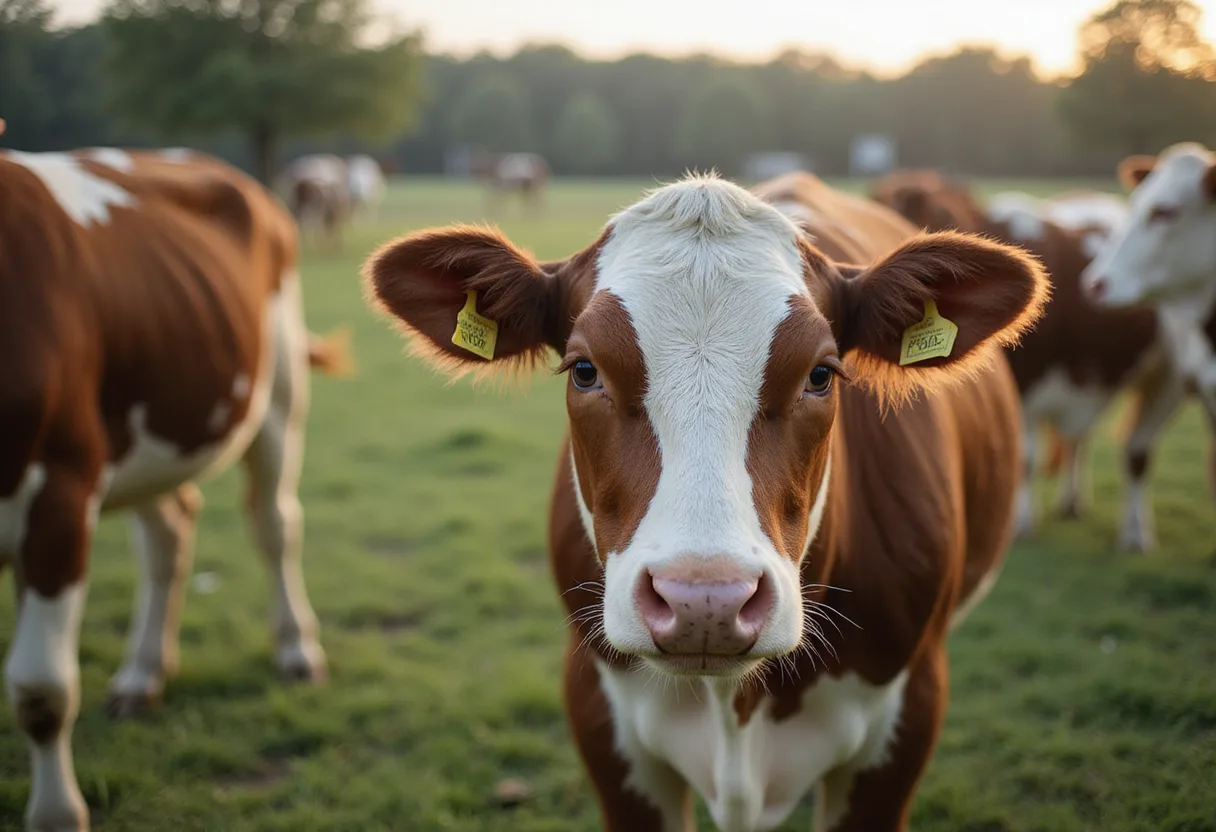
Medgene Laboratories and the Foundation for Food and Agriculture Research (FFAR) have partnered to develop a vaccine against New World screwworm in cattle, AgNet West reports.
The announcement lands at a moment when the parasite has returned to the attention of North American animal health authorities. New World screwworm — the larval stage of the fly Cochliomyia hominivorax — infests open wounds in living mammals, including cattle, and historically forced large-scale eradication campaigns before its elimination from the United States in 1966 through the sterile insect technique.
The source report confirms the core transaction: Medgene, a vaccine developer, and FFAR, a research-funding organization, will work together to build a cattle vaccine against the parasite. AgNet West did not disclose the funding amount, the project timeline, or the technical platform Medgene intends to use.
Why does a screwworm vaccine matter now?
Screwworm control has relied for decades on the sterile insect technique, in which irradiated male flies are released to collapse wild populations. That method succeeded in eradicating the parasite from the United States and much of Central America, but it demands sustained, expensive infrastructure.
A vaccine would shift the toolset. Where sterile-fly programs operate at the population level, an immunization would place protection directly at the animal level — a different proposition for cow-calf operations and dairy herds in endemic or re-infestation-prone regions.
The source material does not state regulatory status. Any cattle vaccine emerging from the partnership would require review by the USDA, which licenses veterinary biologics in the United States.
What changes for cattle producers?
For now, nothing immediate. The partnership is a development-stage announcement, not a product launch. Producers in affected regions continue to depend on existing surveillance, wound management, and reportable-disease protocols while research proceeds.
The economic stakes are large. Before eradication, screwworm infestations cost U.S. livestock producers substantial losses annually, and veterinary authorities have treated recent northward movement of the parasite in the Americas as a renewed biosecurity concern.
FFAR's involvement signals a public-private funding structure: the foundation, established by the 2014 Farm Bill, partners federal dollars with private research investment across food and agriculture challenges. Medgene brings the vaccine development capacity.
AgNet West's report did not specify a target species beyond cattle, a candidate antigen, or preclinical milestones.
What comes next
The partnership's first deliverables — candidate identification, proof-of-concept data, or funding disclosures — will determine whether a screwworm vaccine moves from concept to pipeline. Until those results surface, the announcement stands as a research commitment aimed at a parasite North America once spent decades driving out.
Source: Google News: Livestock health
Nathan Brooks
Show full bio
Senior reporter covering companies, deals and strategy in Small- and large-animal clinical practice at The Vet Scope.