Livestock Outpaces Human Medicine in Antibiotic Use, Pate Warns
Livestock production consumes more antibiotics than human medicine, Dr. Muhammad Ali Pate warns, putting farm-side prescribing at the center of the AMR response.
Updated
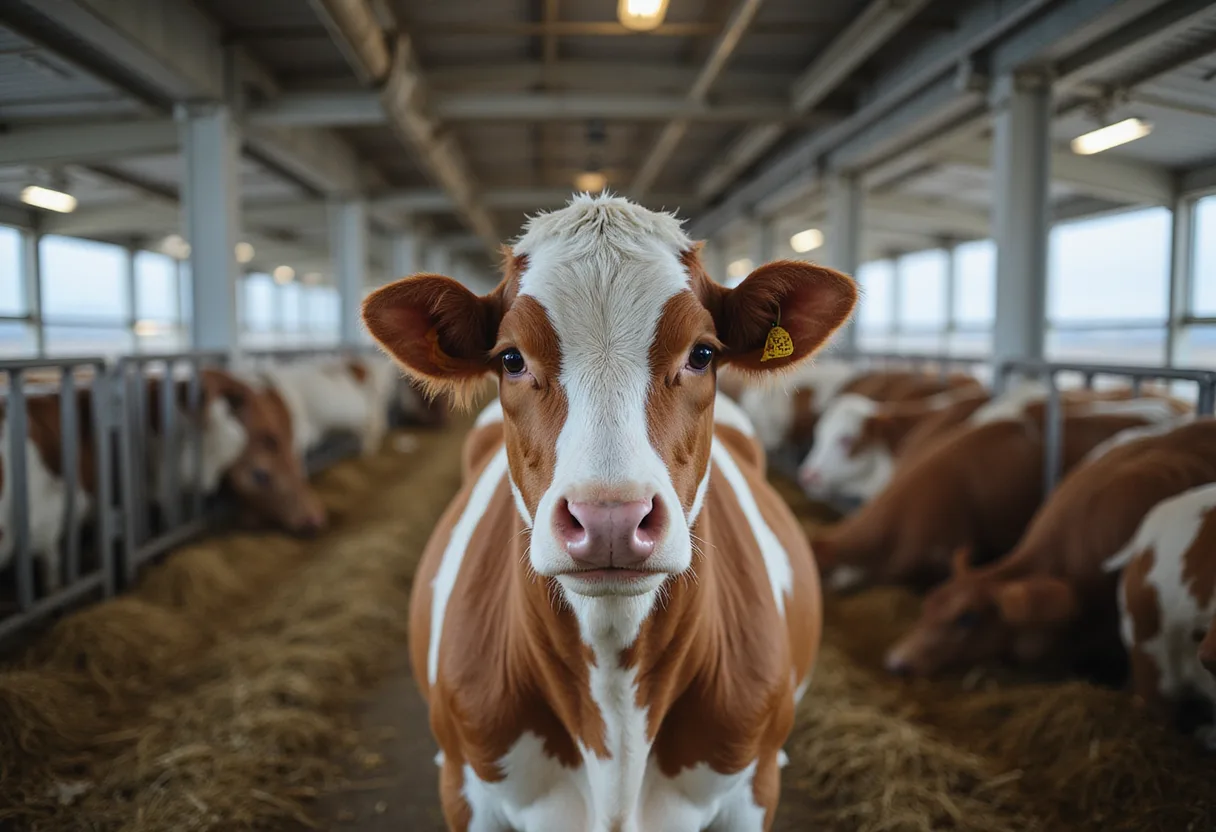
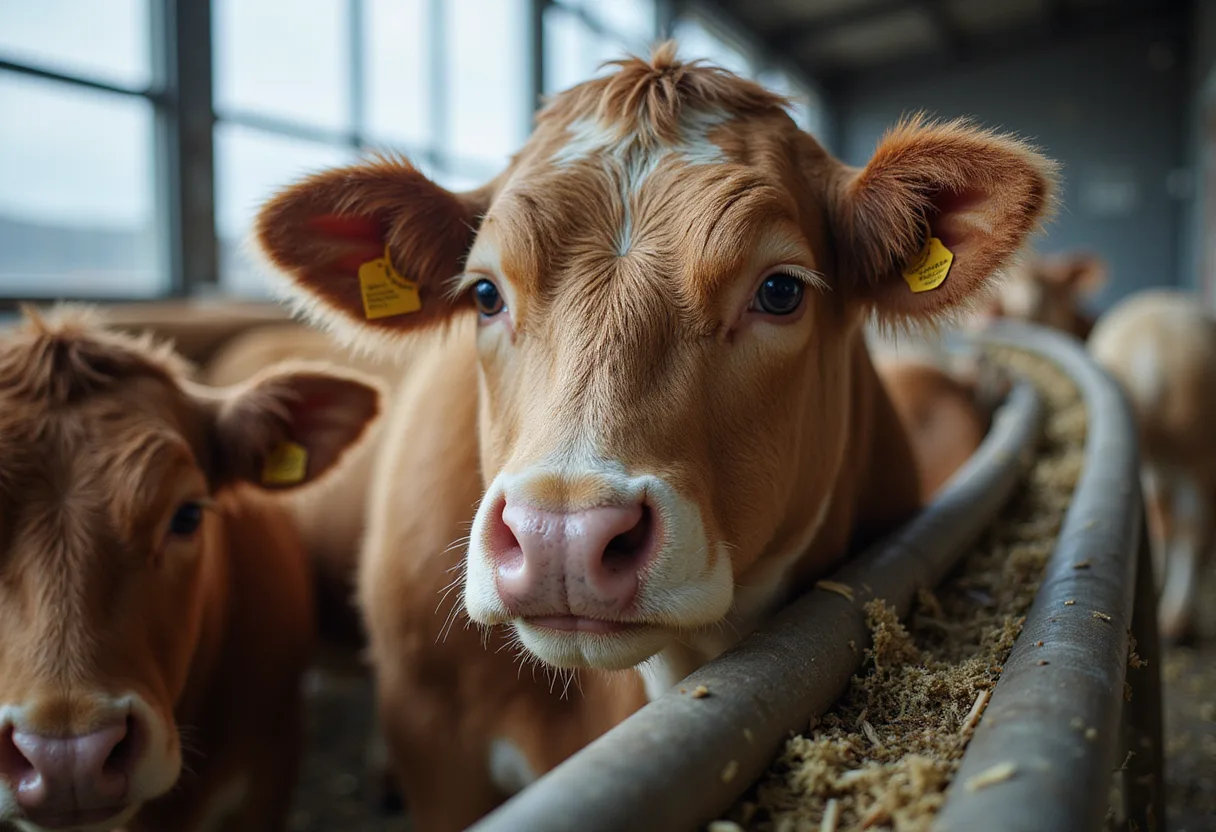
Photo: AI-generated
Livestock production now consumes more antibiotics than human medicine does, and that imbalance is accelerating antimicrobial resistance (AMR), according to Dr. Muhammad Ali Pate, whose warning places agriculture — not the clinic — at the center of the resistance problem.
Pate's statement carries a blunt hierarchy: the animal sector is the larger antibiotic consumer, and the consequence is resistance that does not respect the boundary between barn and hospital. For veterinary practitioners, the claim lands directly on prescribing behavior, feed-grade antimicrobial use, and the regulatory pressure both are likely to attract.
What does the claim change at the farm level?
If livestock is the dominant consumer of antibiotics, then the fastest available reductions in AMR pressure come from animal-side practice, not human prescribing. That reframes routine veterinary decisions:
- Growth-promotion and prophylactic use of antimicrobials in feed and water becomes the first target of scrutiny.
- Therapeutic use will need justification — dose, duration, and diagnosis — rather than habit.
- Farm biosecurity, vaccination, and husbandry become the practical substitutes for the antimicrobial blanket.
Each of those shifts moves the prescribing decision from the feed bag to the exam table, where record-keeping and accountability already live.
Why does sectoral balance matter for resistance?
Resistance genes selected in animals do not stay in animals. They travel through the food chain, through direct contact with livestock workers, and through environmental routes such as manure and runoff. A farm sector that out-consumes human medicine therefore generates selection pressure on a larger scale than the hospital system does.
That is the mechanism behind Pate's framing. The volume of use on the animal side is the driver, and the output — resistant bacteria — is a shared public-health liability. Human clinicians inherit the consequences of veterinary prescribing choices, and vice versa.
Who carries the burden of response?
Pate's position implies a dual mandate. Human health systems must rationalize their own prescribing. But the larger consumer — livestock — must deliver the larger reduction, and that burden falls on:
- Veterinarians overseeing treatment protocols in food-animal production
- Producers changing stocking density, hygiene, and vaccination coverage
- Regulators deciding how antimicrobial sales, prescriptions, and importation are tracked
The statement's political weight matters here. When a senior health official names agriculture as the leading consumer, regulatory follow-through typically follows: prescription-only status for medically important antimicrobials, use reporting, and phased withdrawal of non-therapeutic applications.
What should companion-animal and food-animal practices expect?
The two sectors face different exposure. Food-animal medicine sits directly in the line of policy fire, because that is where the volume sits. Companion-animal practice is not exempt — resistant organisms circulate in small-animal clinics too — but the consumption gap means agricultural use will draw the first and heaviest rules.
For public health, the core implication is already stated in Pate's warning: resistance driven on the farm reduces the shelf life of the antibiotic classes human medicine depends on.
Where does this go next?
Pate's assertion sets the agenda rather than closing it. Watch for follow-up in three places: quantified reporting of antimicrobial sales by sector, national action plans that name livestock reduction targets, and veterinary oversight requirements that turn the consumption gap into a consumption decline.
Original: streamlinefeed.co.ke
Amara Osei
Show full bio
Correspondent covering companies, deals and strategy in Small- and large-animal clinical practice at The Vet Scope.
Related articles
Livestock Outpaces Human Medicine in Antibiotic Use, Nigeria's Health Chief Warns
Livestock Experts Warn Farmers Against Indiscriminate Antibiotic Use
Survey examines antibiotic use drivers among Malaysian broiler farmers
FAO Puts a Price on Antimicrobial Choices in Livestock
Scottish AMU Pilot Signals On-Farm Antibiotic Reductions