Feline Chronic Rhinosinusitis: New Review Maps Diagnostics and Limits of Antibiotics
A new review of feline chronic rhinosinusitis, which drives 35% of feline nasal disease, details why antibiotics should not be first-line and what diagnostics confirm the diagnosis.
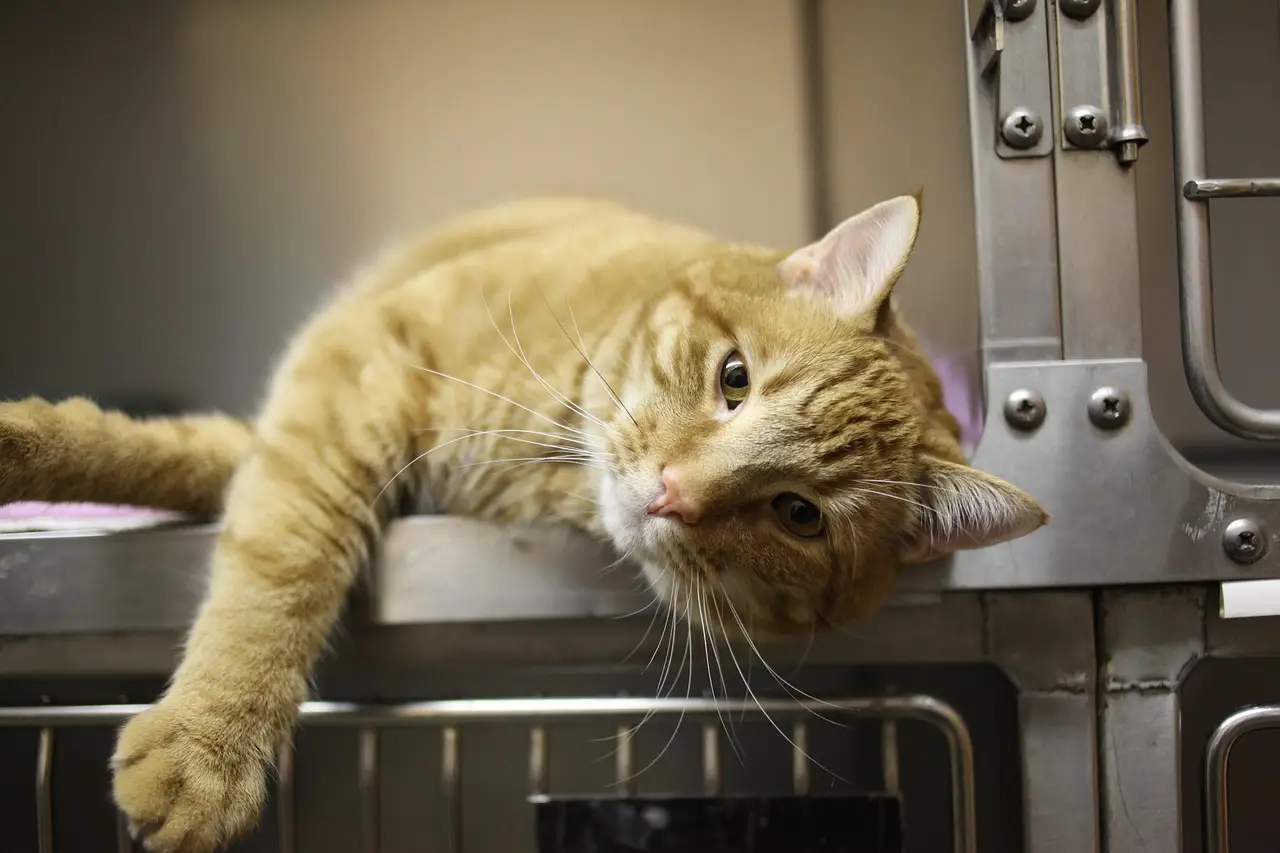
Photo: joannafotograf / pixabay
Feline chronic rhinosinusitis (CRS) accounts for 35% of all feline nasal disease cases, and a comprehensive new review confirms there is still no definitive treatment for it. The condition sits second only to neoplasia among causes of feline nasal disease, and it frustrates general practitioners, internists, and owners alike with a chronic course and few effective options.
What should practitioners take from this review? Diagnosis remains one of exclusion, and antibiotics should not be first-line therapy.
What does diagnosis actually require?
Any cat of any age can develop CRS, though onset typically occurs in young to middle-aged animals. Hallmark signs are chronic, recurrent sneezing, nasal discharge, and stertor. Bilateral discharge is more common than unilateral, and discharge may be serous, mucoid, mucopurulent, or occasionally sanguineous.
Diagnosis requires ruling out a broad differential list:
- Neoplasia (lymphoma, adenocarcinoma, squamous cell carcinoma)
- Nasopharyngeal polyp
- Fungal infection (cryptococcosis, aspergillosis)
- Dental disease, foreign body, nasopharyngeal stenosis
- Trauma, congenital anatomy, swallowing disorders
Baseline workup should include CBC, serum biochemistry, and retrovirus testing, since retroviral immunosuppression predisposes to neoplasia and upper respiratory infection. PCR panels detect FHV-1, feline calicivirus, Chlamydia felis, Bordetella bronchiseptica, and Mycoplasma species, but interpretation is difficult because FHV-1 and FCV circulate widely in healthy cats. In one cited study, PCR of nasal biopsy samples found no difference in FHV-1 isolation frequency between healthy cats and cats with CRS.
Computed tomography remains the preferred imaging modality; radiography demands anesthesia for positioning yet yields less information. Features suggesting neoplasia include abnormal medial retropharyngeal lymph nodes, paranasal bone lysis, and mass effect.
Rhinoscopy with bilateral biopsy is the confirmatory step. Rhinoscopic severity may not correlate with histopathology, so the review recommends biopsying both sides even when tissue appears mildly affected or normal. Biopsy is essential to exclude nasal lymphoma, which may not produce a mass lesion on CT.
The bottom line: CRS is confirmed only after infectious, structural, and neoplastic causes are excluded through imaging and biopsy.
Why culture and cytology often mislead
Bacterial culture of nasal samples has questionable value because the feline nose hosts normal flora including Pseudomonas species, Escherichia coli, Staphylococcus species, and Pasteurella multocida. Johnson et al found cats with CRS were more likely than healthy controls to harbor Mycoplasma species and anaerobes, but causation could not be established. Nasal flush samples culture positive more often than biopsy samples, while Mycoplasma is more readily cultured from biopsies. Treatment response may not correlate with culture results at all.
Nasal discharge cytology is similarly limited, with cell types frequently discordant with histopathology. Aspirates of visible masses can still support fungal or neoplastic diagnosis — Cryptococcus species appears as basophilic encapsulated yeast — but false negatives occur, and serum latex agglutination or imaging should follow nondiagnostic aspirates.
What does treatment look like at the exam table?
The ISCAID Antimicrobial Guidelines Working Group recommends limiting antibiotics to cats with severe clinical signs. No standardized severity definition exists for feline CRS; potential metrics include difficulty breathing at rest or during sleep, signs interfering with daily activity, and reduced appetite.
Key antimicrobial guidance from the review:
- Empiric therapy targets common isolates, with amoxicillin and doxycycline as first-line agents
- Continue at least 7 days if improving, and at least 1 week past resolution or plateau of signs
- Prolonged 6-to-8-week courses are advocated anecdotally but lack evidence
- If discharge recurs, restart the previously effective drug; switch classes only after 48 hours without response
- Intranasal antibiotic administration is not recommended due to lack of evidence
Response to antibiotics is often transient. Owners should be counseled that antibiotics alone are unlikely to resolve signs, because they address only secondary infection layered on primary inflammation.
Multimodal supportive care carries much of the management burden. Nasal flushing under general anesthesia relieves mucopurulent material and may particularly benefit cats with documented Pseudomonas. Nebulization, saline drops, humidified environments, and warm-gauze removal of crusts reduce secretion viscosity and support mucociliary clearance, repeated 2 to 3 times daily where compliance allows.
Famciclovir is a reasonable trial when herpesvirus may contribute — cats with concurrent ocular signs, multicat households, or recurrent stress-associated episodes. A retrospective study of presumed FHV-1 disease found more rapid and greater improvement at roughly 90 mg/kg PO q8h versus roughly 40 mg/kg PO q8h.
Antihistamines lack study evidence but may help cats with seasonal signs or eosinophilic inflammation. Glucocorticoids, delivered orally, inhaled, or intranasally, have shown no significant adverse effects in reported use, though they are contraindicated with active viral disease; inhaled fluticasone is feasible but cost prohibitive. NSAIDs have no supporting feline literature, carry long-term safety concerns, and warrant informed owner consent given the theoretical parallel to human aspirin-exacerbated respiratory disease.
Surgery — rhinotomy, turbinectomy, frontal sinus trephination — remains an option for refractory cases.
What is on the horizon?
Human biologics targeting Th2-mediated rhinitis (IL-4, IL-5, IgE inhibitors) may translate poorly, since feline CRS may skew Th1. Radiation therapy, increasingly used for inflammatory conditions, awaits validation for CRS. A shelter study of twice-daily intranasal maropitant for one week found no benefit versus controls in acute upper respiratory disease. The unified airway hypothesis — the upper and lower airways as one organ — may guide future pathogenesis research and novel interventions.
For now, individualized sequential medication trials, after other diagnoses are excluded, remain the best available approach.
Original: go.navc.com
Elena Vasquez
Show full bio
Market editor covering money, funding and market shifts around Small- and large-animal clinical practice at The Vet Scope.
Related articles
Feline BAL Case Puzzle: Wiley Publishes New Diagnostic Exercise
New FIP Antemortem Test Reaches 78% Accuracy in 84-Cat Trial
DVM360 frames feline panleukopenia from the diagnostic bench
Chinese Study Profiles Contemporary Feline Calicivirus Strains
Thoracic Ultrasound Assessed as CCPP Diagnostic in Sheep and Goats