Fecal qPCR panel doubled parasite detection versus antigen and flotation combined
A blinded comparison of 1,013 dog and cat fecal samples found qPCR flagged parasites in 27.2% versus 13.6% for antigen and flotation combined — with parasite-specific differences.
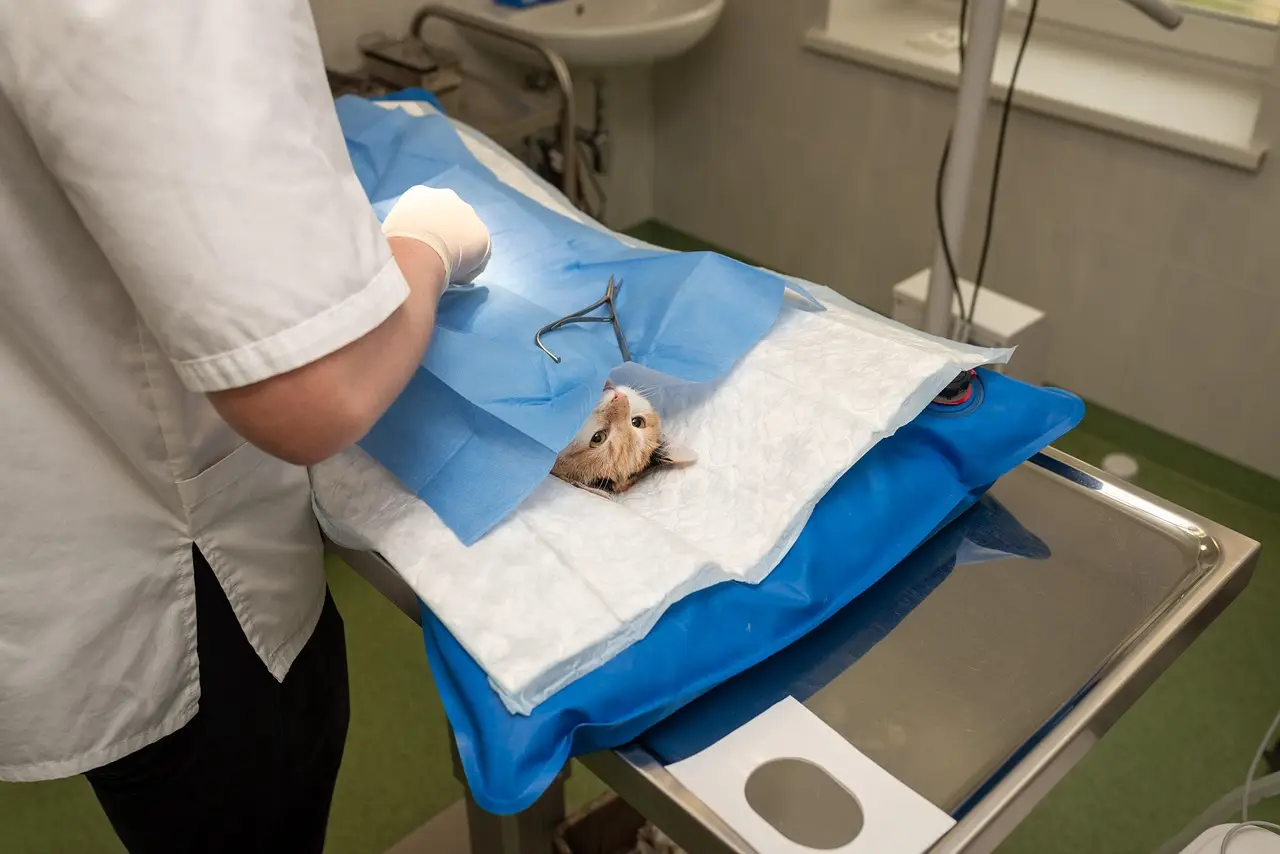
Photo: AI-generated
A fecal quantitative PCR panel detected parasites in 27.2% of 1,013 canine and feline stool samples — exactly twice the 13.6% combined positivity rate of antigen testing and centrifugal flotation — according to a study published November 7, 2026, in Parasites & Vectors.
The comparison pitted the KeyScreen GI Parasite PCR panel (Antech Diagnostics) against the Fecal Dx Antigen Profile with Giardia and zinc sulfate centrifugal flotation, both run at IDEXX Laboratories. Researchers split each sample in two and tested all three methods in blinded fashion.
The samples — 882 canine, 131 feline — came from 19 states, collected in May and June 2025 from residual flotation submissions at Antech reference laboratories in Atlanta, Chicago, and Dallas.
What did the head-to-head numbers show?
The detection gap was not uniform. Antigen testing alone flagged parasites in 10.9% of samples; flotation in 6.5%. Overall, 70.9% of samples were negative by all three methods, while 15.5% were positive only on the qPCR panel. Another 1.9% were positive on antigen testing or flotation but negative on qPCR.
Restricted to the six parasite groups both molecular and antigen panels cover — roundworms, hookworms, whipworms, flea tapeworm, Giardia, and Cystoisospora — qPCR detected parasites in about 18% of samples versus 11.4% for antigen testing or flotation, roughly 1.6 times higher.
By parasite, qPCR posted higher detection for Giardia duodenalis, flea tapeworm (Dipylidium caninum), and Cystoisospora species. Whipworm detection was also higher, though not statistically significant. Roundworm results were comparable. Hookworms ran the other way: the antigen test caught more positives than qPCR, again without statistical significance.
The study team explained the hookworm result through Ac-ASP-5 proteins. Adult hookworms secrete these proteins from the brush border membrane of the alimentary canal before they produce eggs — a pre-egg stage not associated with detectable nucleic acid release.
The qPCR panel also targets 20 parasites total, catching organisms the antigen panel does not, including Tritrichomonas blagburni, Cryptosporidium canis, and Cryptosporidium felis. It detected more co-infections: 81 samples with two or more parasites (49 excluding Eimeria), against 16 for antigen testing and 6 for flotation.
What about coprophagy indicators and resistance markers?
Eimeria species accounted for 44.6% of qPCR-only detections. The authors noted Eimeria findings are typically regarded as indicators of coprophagy through spurious parasitism, but reporting them still gives veterinarians context for owner conversations about behavior.
Of 32 Ancylostoma-positive samples on qPCR, 6 carried genetic markers associated with benzimidazole resistance. All 6 were also hookworm-positive on flotation or antigen testing, but the potential resistance would have gone undetected with conventional tests alone. The investigators wrote that the markers should prompt veterinarians to evaluate treatment efficacy or consider combination treatment alternatives, pointing to American Association of Veterinary Parasitologists guidance.
Zoonotic Giardia data carried public-health weight. Among 116 G duodenalis-positive samples on qPCR, 10 carried zoonotic-potential assemblages: 7 of 108 dogs and 3 of 8 cats. The Giardia antigen test detected only 4 of those 10. Dogs mostly carry assemblages C or D; cats mostly carry assemblage F. Knowing the assemblage, the team wrote, could inform risk assessment — potentially modifying treatment or supporting no treatment in patients without clinical signs. Animals under 1 year had the highest Giardia positivity rates.
How solid are the findings?
The authors described the work as descriptive and not designed to test whether any method is superior. Higher qPCR positivity does not necessarily equal diagnostic accuracy, they wrote, because no independent gold standard exists, and parasite nucleic acid does not necessarily indicate active infection.
The retrospective design left the researchers without information on clinical presentation, home environment, travel or deworming history, or whether visits were wellness or illness related. Repeat submissions from the same animal could not be ruled out, and each method is affected by low parasite burdens, intermittent shedding, and spurious passage. The study was not designed to establish true prevalence.
The researchers cited the Companion Animal Parasite Council's recommendation to combine antigen testing and fecal qPCR with microscopic examination for the widest breadth of detection. Notably, of 28 samples positive on flotation but negative on antigen testing, 5 involved parasites the antigen panel targets — a result the authors said supports running antigen testing alongside flotation.
The study was funded by Antech Diagnostics; 12 of 14 authors list an Antech affiliation, with coauthors from Colorado State University and Universidad Nacional de Colombia. As qPCR panels add resistance and assemblage data unavailable to conventional methods, the findings are likely to sharpen debates over which fecal testing strategy belongs in routine wellness protocols.
Source: dvm360.com
Amara Osei
Show full bio
Correspondent covering companies, deals and strategy in Small- and large-animal clinical practice at The Vet Scope.
Related articles
MiDOG Launches First NGS-Based Parasite Detection Test for Veterinary Use
Vomiting in Dogs and Cats: Parasites Belong on the Differential List
AAHA's 2026 Parasitology Guidelines Target 12 Emerging Threats
Ten-Minute Heartworm Test Matches Lab ELISA in 350-Sample Study
Australian pig vets and producers surveyed on worm control