EU listeriosis cases reach highest level since 2007, EFSA reports
Listeriosis cases in the European Union have climbed to their highest level since 2007, according to the European Food Safety Authority's latest zoonoses monitoring summary, which flagged a broader rise in zoonotic illnesses across member states.
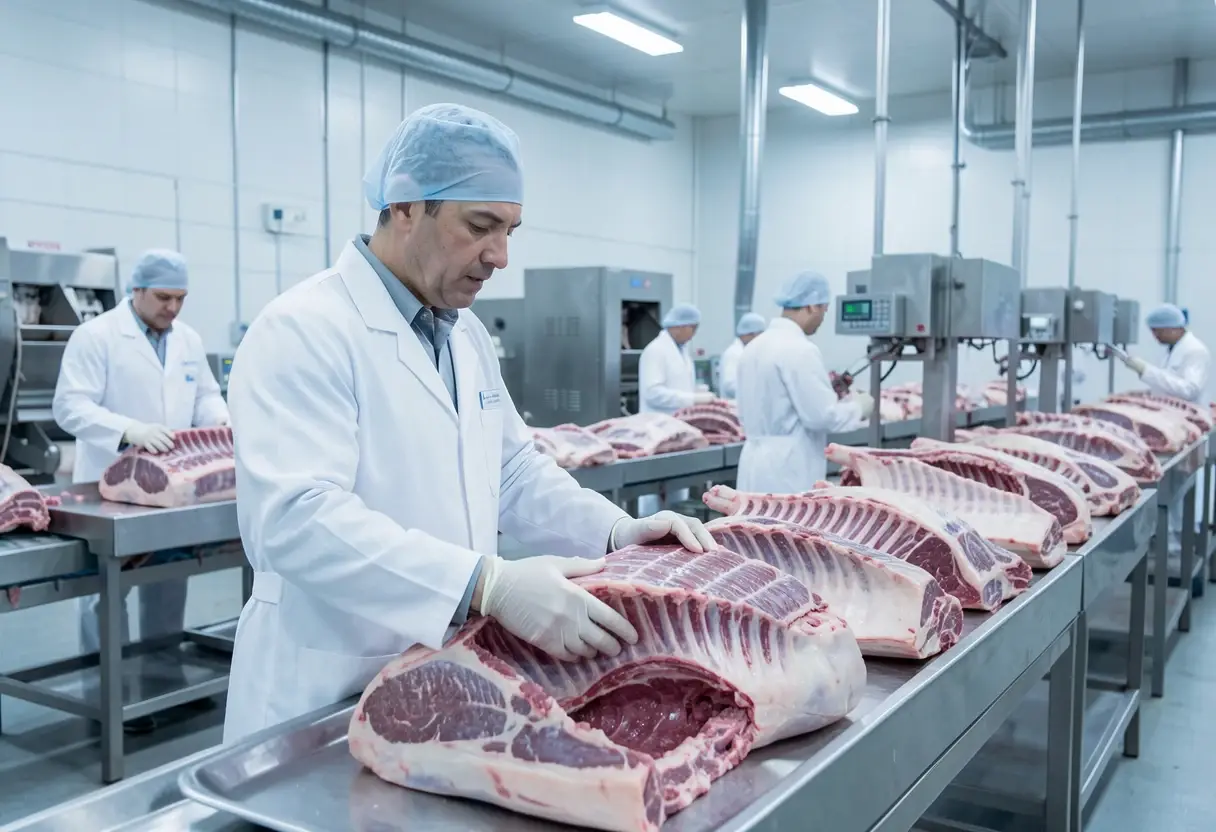
Photo: AI-generated
Listeriosis cases in the European Union have climbed to their highest level since 2007, the European Food Safety Authority reported, part of a broader rise in zoonotic illnesses documented across the bloc's member states.
The 18-year reference window — 2007 to the current reporting year — marks a meaningful baseline in EU food-safety history. EFSA's headline summary on the latest zoonoses monitoring did not attribute the rise to a single driver in the published data, but the agency's annual report series has consistently flagged Listeria monocytogenes as a pathogen of concern, with surveillance spanning human cases, food categories and animal reservoirs.
For veterinary readers, the data point lands in three places: the farm, the clinic and the policy desk. Each reflects a different slice of the same surveillance system that produced the headline number.
What listeriosis surveillance covers
EFSA's zoonoses report consolidates case counts from all 27 EU member states, plus several non-EU reporting countries, under harmonized protocols. The agency categorizes data by pathogen, by food source where attribution is possible, and by outbreak cluster. Listeria, Salmonella, Campylobacter and verotoxigenic Escherichia coli traditionally headline the report; all four have figured in past upward trends.
The 2007 comparison year predates several rounds of EU food-safety regulation tightening, including revised microbiological criteria for ready-to-eat foods that member states implemented in subsequent updates.
Food-animal practice implications
For veterinarians working with cattle, sheep and goats, Listeria is not a new pathogen. It circulates in silage, in fecal matter and in bulk-tank milk, and clinical listeriosis in ruminants — circling disease, abortion and keratoconjunctivitis — has long been a standard differential diagnosis. The headline EU figure is, however, a human surveillance metric. The veterinary relevance sits upstream: every confirmed human case traces, in theory, to a food-production node, and that node is where food-animal practitioners exert influence.
Biosecurity on dairy operations, silage fermentation quality, manure handling, and milking-parlor hygiene all feed into the same pipeline EFSA aggregates at member-state level.
Companion-animal practice implications
For small-animal practitioners, the direct clinical signal is muted. Listeriosis in dogs and cats is rare and rarely zoonotic in the pet-to-owner direction. The clinic-level impact is conversational: clients who are pregnant, immunocompromised or elderly will increasingly ask about deli-meat consumption and soft-cheese risk. The veterinary team's role is to translate EFSA's population-level number into a household-level recommendation.
Public-health and policy implications
EFSA operates under a mandate from the European Commission and the European Parliament. Its zoonoses report feeds directly into regulatory reviews of microbiological criteria, food-handling guidance and member-state audit priorities. A finding that listeriosis has returned to 2007-level incidence is likely to sharpen scrutiny of ready-to-eat food controls in the next EU food-safety audit cycle.
The agency's scientific panels include veterinarians, food microbiologists and epidemiologists who review national submissions before publication. The report series is published annually, drawing on prior-year data, with release typically scheduled for late autumn.
A forward signal
The headline number — listeriosis at a level not seen in 18 years — will be parsed line by line in the months ahead by member-state competent authorities. Veterinary practitioners along the food-production chain should expect a tighter inspection cycle in the year following the report, with renewed attention to on-farm hygiene records, silage management and ready-to-eat processing controls.
Source: Google News: Zoonotic disease
Amara Osei
Show full bio
Correspondent covering companies, deals and strategy in Small- and large-animal clinical practice at The Vet Scope.
Related articles
Biosensors Meet Veterinary Controls to Block Zoonotic Food Pathogens
New Veterinarians Urged to Tackle Animal-Human Diseases
Animal Health Gets as Little as 0.6% of Global Health Spending
New Protocol Puts Biodiversity Data at Heart of Wildlife Surveillance
Livestock-linked MRSA variant flagged as public health concern