Equine survey asks owners about attire, communication and billing
A five-minute, anonymous nationwide survey asks horse owners and riders how equine veterinarians should dress, communicate and explain billing, but no findings are available.
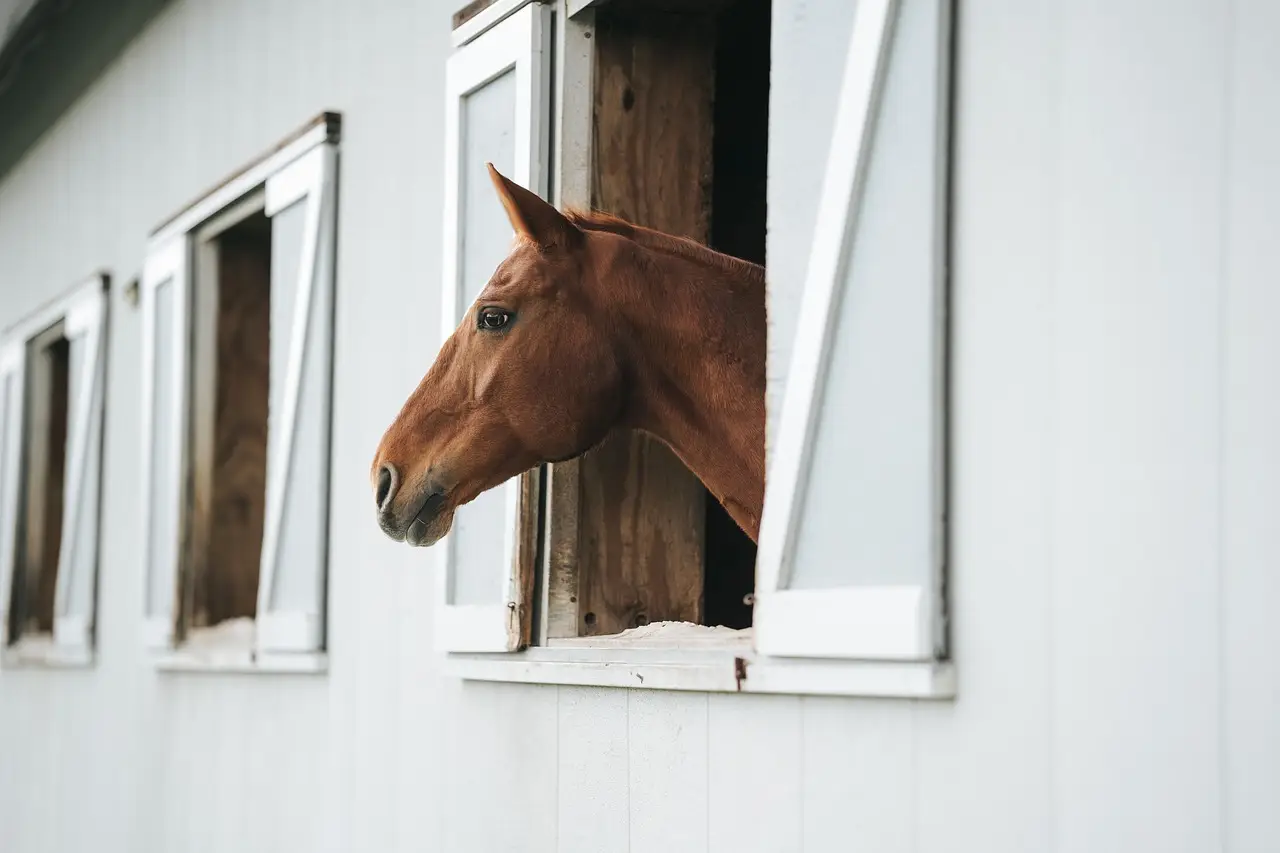
Photo: JoelZar / pixabay
By Elena Vasquez
A five-minute, anonymous nationwide survey is open to horse owners and riders from all backgrounds and disciplines, seeking their preferences on equine veterinary attire, communication and billing.
The project comes from The Ohio State University College of Veterinary Medicine in Columbus and carries institutional review board approval. Jonathan Yardley, DVM, associate professor-clinical in equine field service, leads it and serves as the study and media contact.
OSU's announcement gives no target or enrolled sample size, survey dates, response rate or results. The study therefore cannot yet establish which client preferences prevail.
What does the survey measure?
The questionnaire examines how different generations, riding disciplines and demographic groups perceive veterinary professional attire, communication styles and billing preferences. The announcement gives these concrete examples of decisions often driven by professional assumption rather than direct client input:
- Attire: Coveralls versus a polo shirt.
- Billing: How invoices are itemized and delivered.
- Communication: A phone call versus a text-message update.
Historically, medical and veterinary professions have leaned on assumptions about what professionalism looks like and how clients prefer to receive information. This study proposes to replace those assumptions with evidence from horse owners and riders themselves.
At the exam table, what looks professional and how a bill arrives may shape whether clients see the visit as clear, respectful and workable.
Why does the study focus on the barn door?
Every day, Yardley teaches fourth-year veterinary students on farm calls, preparing them to move from classroom work into independent equine practice. Clinical knowledge and hands-on medical skills remain the foundation, but the project starts from a practical premise: immediate trust and clear communication during routine visits and high-stress emergencies are equally vital to equine welfare.
Yardley said: “In equine field service, the barn aisle is our examination room.”
He wants students prepared to deliver complex medical news, establish communication boundaries and handle billing transparently while responding to what clients actually value rather than outdated expectations. He also wants participation to extend beyond a single type of rider or discipline.
“Every generation and discipline in the horse world brings unique expectations, and we want to make sure every voice is represented,” Yardley said.
Until the results appear, no veterinarian can say whether clients favor one option over another. The evidence could guide communication choices during farm calls and preparation for independent practice.
The practical point is straightforward: technical skill alone cannot settle every question clients raise at the barn door.
How will the findings reach veterinary practice?
Researchers will submit the results for publication in a peer-reviewed veterinary journal. The stated goal is to give practicing equine veterinarians worldwide, along with veterinary colleges training the next generation, direct access to the real-world preferences of horse owners and riders.
That pathway could connect survey responses with clinical education and the everyday service decisions that shape client relationships. It would also give educators a basis for discussing attire, updates and billing with students rather than relying solely on inherited conventions.
No findings have been released, and the announcement provides no projected publication date or commitment to revise existing guidance.
Practitioners and educators should wait for the published results before treating any particular communication or billing style as universally preferred.
What do the findings mean across veterinary sectors?
- Companion-animal practice: The survey speaks directly to equine practices serving owners and riders of companion, lesson, trail and competition horses. It does not address communication preferences in small-animal practices.
- Food-animal practice: The announcement includes no food-producing herd, production measure or food-safety endpoint. Its findings therefore cannot support recommendations for food-animal veterinary programs.
- Public health: The study measures service preferences rather than zoonotic disease, food safety or population health. It makes no public-health claim.
The survey belongs in equine service delivery; it is not evidence for food-animal or public-health decisions.
Who can take the survey?
Eligible respondents include horse owners and riders whether they lease horses, ride lesson horses, enjoy weekend trail rides, or own and compete horses on the national circuit. OSU does not limit participation by discipline or background.
The questionnaire takes approximately five minutes and is completely anonymous. Readers can take the survey or forward the same link to other owners, barn mates, riding clubs and local equestrian groups.
The next useful milestone is a peer-reviewed report with sample details and results, allowing equine practices and teaching programs to compare preferences across generations and disciplines.
Original: osu.az1.qualtrics.com
Elena Vasquez
Show full bio
Market editor covering money, funding and market shifts around Small- and large-animal clinical practice at The Vet Scope.
Related articles
Wearable Technology Is Reshaping Veterinary Care for the Racehorse
Equine Veterinarians Are Leaving the Profession in Growing Numbers
USDA to Launch NAHMS Equine Industry Study Next Month
Pet Owners Rank Veterinary Care Among Last Expenses to Cut
Pet-Directed Speech Linked to Repeat Visits in 400-Owner Survey