Cornell reports first feline Marfan syndrome cases in sibling cats
Cornell University College of Veterinary Medicine announces the first documented cases of feline Marfan syndrome, identified in two sibling cats and giving the species a new clinical reference point.
Updated
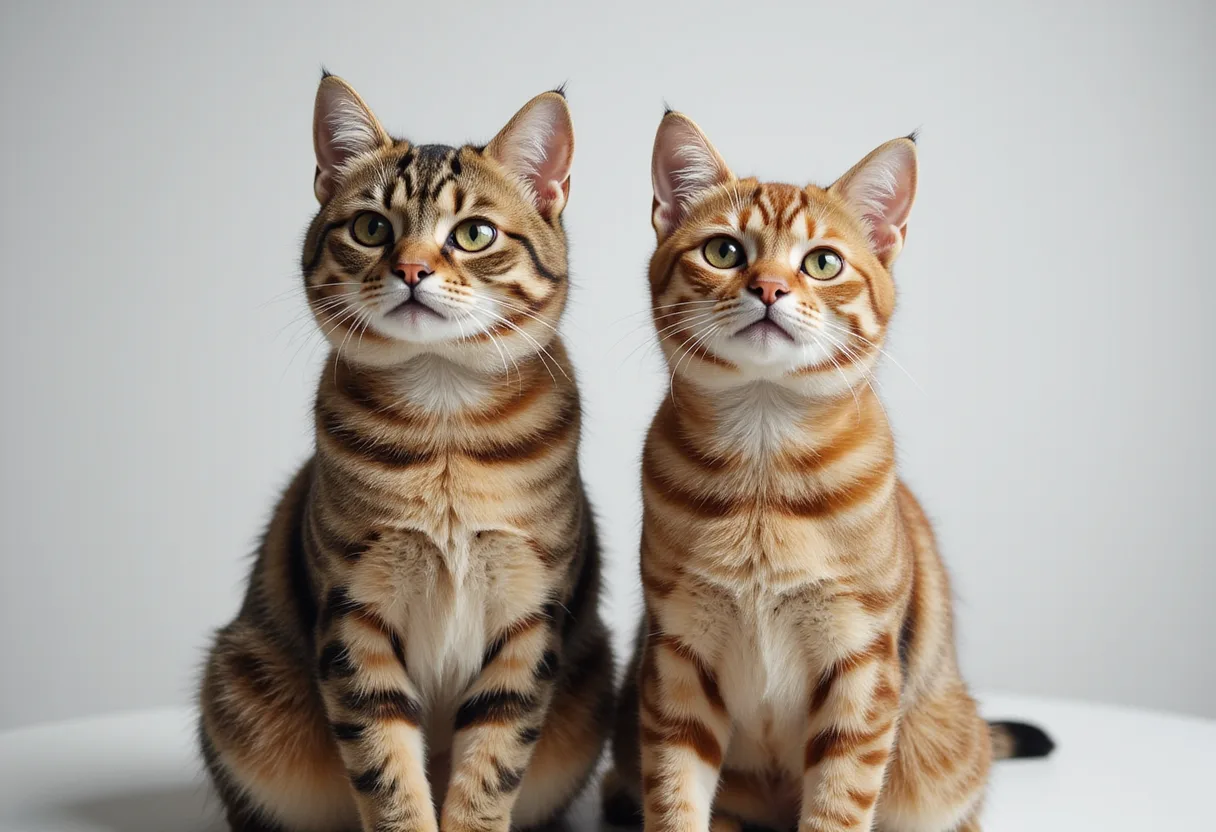
Two sibling cats now hold a singular distinction in veterinary medicine: they are the first felines on file with confirmed Marfan syndrome, according to the Cornell University College of Veterinary Medicine, which announced the discovery.
What the source establishes
Cornell's College of Veterinary Medicine identified the syndrome in two related cats, marking the first documented occurrence of the connective-tissue disorder in the species. The announcement positions the cases as a reference point for clinicians who previously had to extrapolate feline risk from human and canine literature.
What Marfan syndrome looks like across species
Marfan syndrome is a heritable connective-tissue disorder caused by mutations in the FBN1 gene, which codes for fibrillin-1, a structural protein in elastic fibers. In humans, the disease produces tall stature, elongated limbs, lens dislocation, and aortic root dilation that can progress to dissection or rupture.
Veterinary medicine has documented the syndrome most extensively in dogs and cattle, where aortic rupture and skeletal abnormalities drive the clinical picture. The feline cases extend that comparative record and give the species its own diagnostic entry.
What this changes at the exam table
For general practitioners, the report lowers the threshold for considering Marfan syndrome in cats with compatible connective-tissue signs rather than defaulting to rule-outs more familiar in feline medicine.
Key clinical implications for the clinic:
- Signalment matters: related cats presenting with similar phenotypes warrant workup for heritable connective-tissue disease rather than acquired differentials alone.
- Cardiac screening becomes a priority: aortic root involvement is the life-limiting lesion across species, so echocardiographic evaluation should accompany any suspected case.
- Owner counseling shifts from speculative to actionable: a confirmed diagnosis in one sibling reframes genetic risk for littermates and the dam.
- Comparative reference now exists for cats: clinicians can anchor suspicion to a documented feline presentation instead of cross-species inference.
What remains unspecified
The Cornell notice does not detail the cats' breed, sex, age at diagnosis, presenting complaint, the genetic variant identified, the imaging modality used, or treatment outcomes. Cornell's College of Veterinary Medicine has not yet published indications of capture in a peer-reviewed journal within the source material reviewed here, and the original announcement links outward to additional reporting that this brief does not restate.
Readers seeking those specifics should consult the primary Cornell release and any subsequent peer-reviewed publication from the clinicians involved.
Looking forward
The cases will most likely accelerate genetic screening discussions in feline specialty practice and add feline Marfan syndrome to the differential list that internists and cardiologists revisit when connective-tissue signs appear in young cats.
Source: Google News: Veterinary medicine
Amara Osei
Show full bio
Correspondent covering companies, deals and strategy in Small- and large-animal clinical practice at The Vet Scope.
Related articles
Cornell reports first feline Marfan syndrome in sibling cats
Two Brother Cats Become First Documented Feline Marfan Syndrome Cases
Cornell Identifies Rare Human Genetic Disorder in Two Cats
Feline infectious peritonitis column points to new hope for cats
Feline Cancer Oncogenome Mapped: Over 50% of Cat Mammary Tumors Carry FBXW7