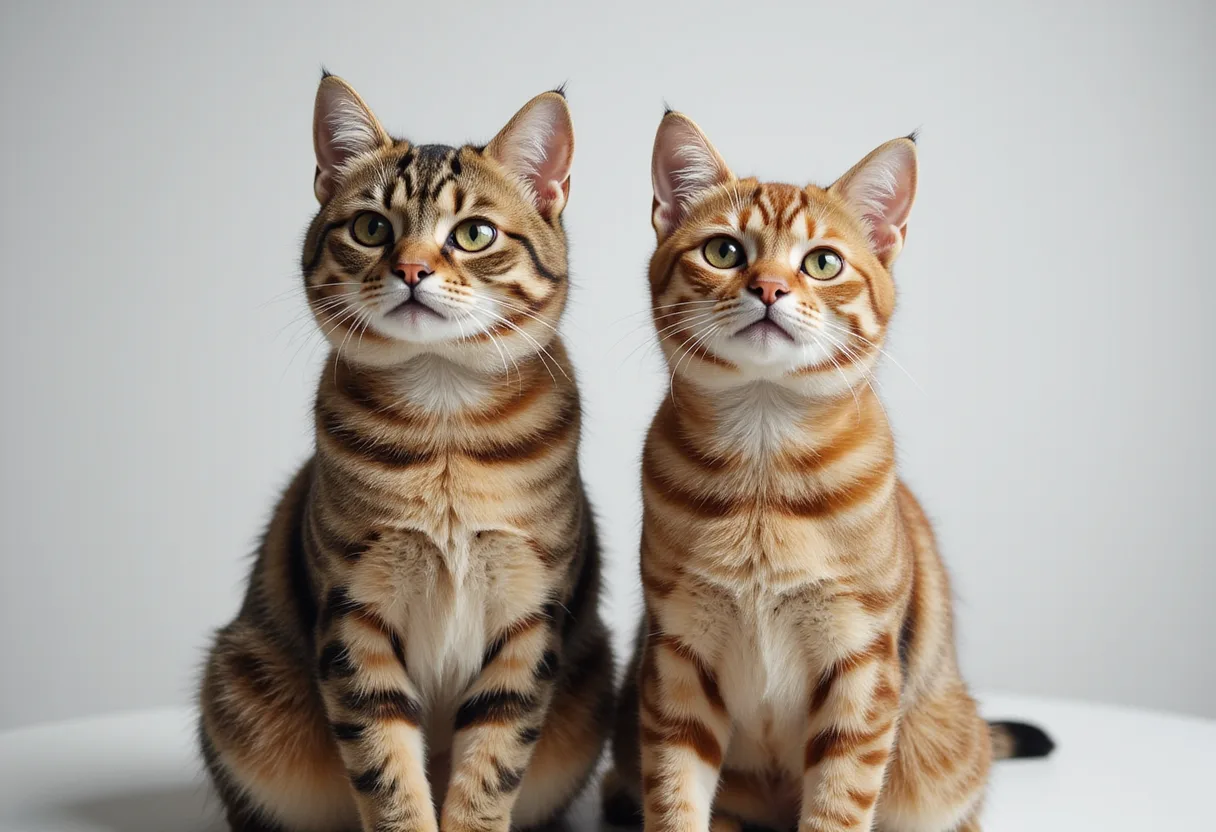
Cornell reports first feline Marfan syndrome in sibling cats
The Cornell Chronicle has reported the first known case of Marfan syndrome in cats, identified in feline siblings, extending the connective-tissue disorder's differential diagnosis to felids.
Updated
The Cornell Chronicle has reported the first known case of Marfan syndrome in cats, identified in feline siblings. The headline extends a connective-tissue disorder long characterized in humans and several other species into the domestic cat and, if confirmed in the peer-reviewed literature, would add Marfan syndrome to the differential for cats with aortic root dilation, mitral valve disease, lens subluxation, and skeletal overgrowth.
What Marfan syndrome looks like across species
Marfan syndrome is an autosomal-dominant connective-tissue disorder most commonly traced to variants in the FBN1 gene, which encodes the structural protein fibrillin-1. In human medicine, the diagnosis drives lifelong cardiac and ophthalmologic surveillance because affected patients face elevated risk of aortic root dilation and dissection, mitral valve prolapse, and ectopia lentis. Veterinary literature has documented Marfan-like phenotypes in cattle, where aortic rupture has been reported in association with FBN1 variants, and case reports have described comparable findings in dogs.
The Cornell Chronicle report — published as a headline at the time of this writing — places two feline siblings at the center of the first documented feline cluster. A sibling presentation is consistent with an autosomal-dominant inheritance pattern, which would match the human and bovine genetics of the disorder.
What changes at the exam table
The diagnostic shift is straightforward. Veterinarians evaluating a cat with aortic root dilation, mitral valve prolapse, lens subluxation, or disproportionate skeletal growth currently work through a differential list that does not include Marfan syndrome for felids. A confirmed feline case would add it, particularly when a littermate shows overlapping signs.
Screening protocols would likely follow the human model. First-degree relatives of an affected human patient routinely undergo echocardiography and slit-lamp examination. Translated to cats, that would mean echocardiographic and ophthalmologic evaluation of the dam, the sire, and any available littermates of an affected kitten — a workflow that fits within the existing toolkit of most referral cardiology and ophthalmology practices.
What changes for breeding programs
A heritable presentation in two siblings raises immediate questions for breeding programs. Pedigreed cat registries already manage single-gene conditions such as hypertrophic cardiomyopathy (HCM) in Maine Coons and Ragdolls and progressive retinal atrophy in several breeds through genetic testing, test-mating requirements, and breeding recommendations issued through breed-club health committees. An FBN1 variant in cats would, over time, follow a similar path: laboratory validation, peer-reviewed publication, and gradual incorporation into breeding guidance.
Regulatory oversight of any future feline genetic test would not fall to the FDA Center for Veterinary Medicine or USDA-APHIS in the same way as drug approvals. Genetic tests for heritable conditions are typically offered through veterinary genetics laboratories and validated against published case data, with breed organizations setting testing requirements for registered cats.
What remains unknown
The Chronicle headline does not specify the breed, the age of onset, the clinical signs that prompted evaluation, the imaging findings, or whether an FBN1 variant was sequenced. Each of those details will determine how broadly the finding generalizes across the domestic cat population. The peer-reviewed case report — and any associated genetic test offered through a veterinary genetics laboratory — will set the threshold for clinical action.
For now, clinicians encountering a young cat with aortic root dilation or lens subluxation, especially with a similarly affected littermate, have a new entry to add to the rule-out list, and breeders with affected lines should expect genetics laboratories and breed health committees to revisit their screening guidance as soon as the full case report appears.
Source: Google News: Veterinary medicine
Grace Kim
Show full bio
Staff writer covering regulation, policy and their impact on Small- and large-animal clinical practice at The Vet Scope.
Related articles
Cornell reports first feline Marfan syndrome cases in sibling cats
Two Brother Cats Become First Documented Feline Marfan Syndrome Cases
Cornell Identifies Rare Human Genetic Disorder in Two Cats
Feline Cancer Oncogenome Mapped: Over 50% of Cat Mammary Tumors Carry FBXW7
Chinese Study Profiles Contemporary Feline Calicivirus Strains