Cat's 20-Unit Insulin Demand Led Surgeons to a Pituitary Tumor
A 10-year-old cat needed 20 units of insulin daily before surgeons in Oregon removed a growth hormone-secreting pituitary tumor through a 6 × 3-mm skull opening.
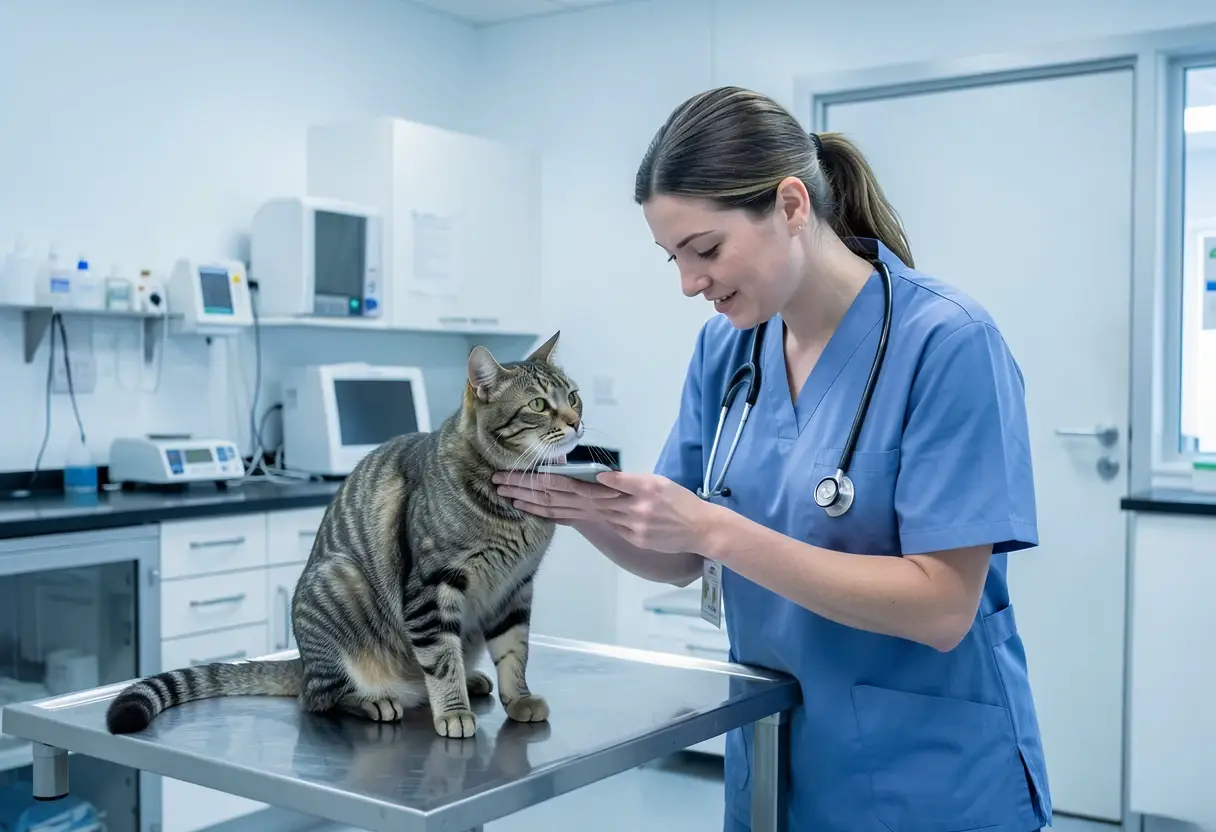
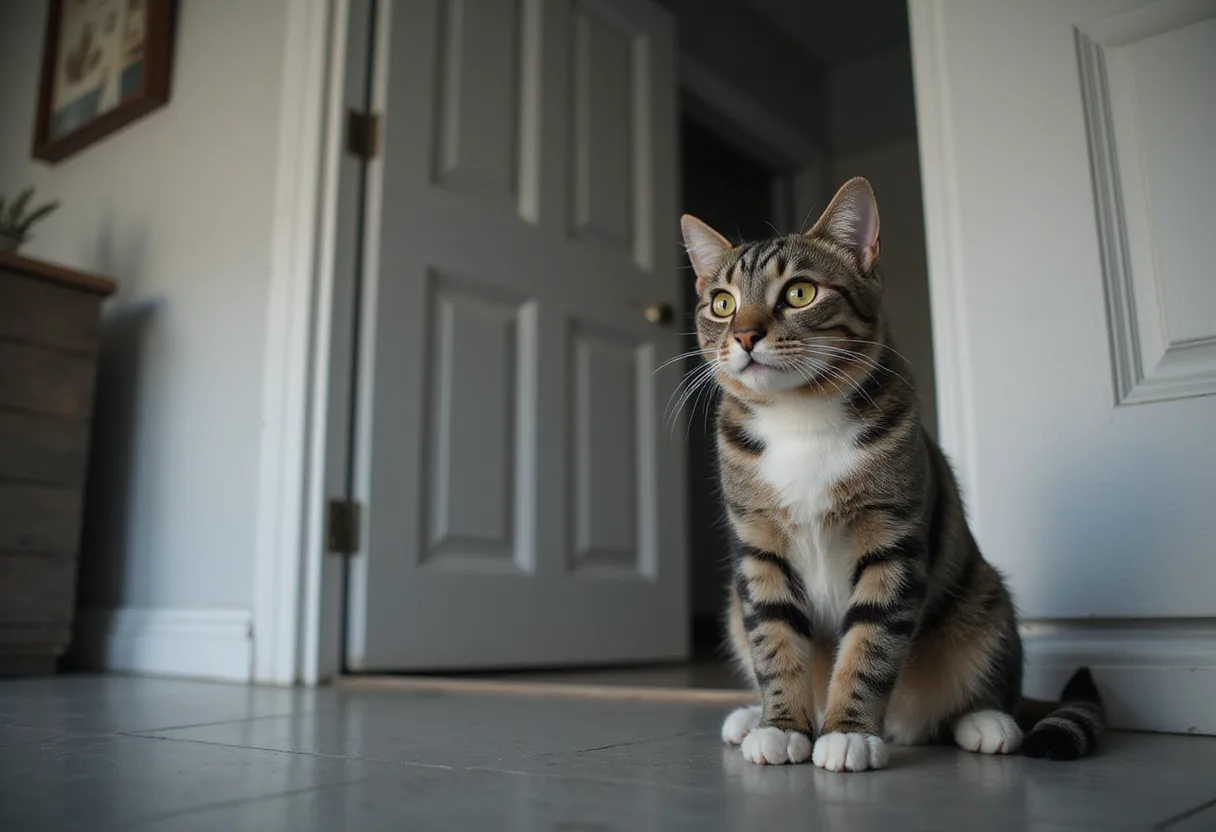
Photo: Vinx Teoh / unsplash
A 10-year-old cat needing 20 units of insulin per day — roughly ten times the typical feline dose of 1 to 2 units — underwent surgical removal of a growth hormone-secreting pituitary tumor at the Veterinary Referral Center of Central Oregon (VRCCO) in Bend, Oregon. One week after surgery, his insulin-like growth factor 1 (IGF-1) concentration had returned to normal and his insulin requirement had dropped sharply, the practice reported in a September 23, 2026, news release.
The cat, Mars, lived in Hoboken, New Jersey. His internist in New York had repeatedly increased his insulin dose, and that escalating resistance prompted suspicion of a pituitary tumor. Testing and an MRI confirmed the diagnosis: hypersomatotropism, a condition in which a pituitary tumor secretes excess growth hormone.
"Left untreated, the excess growth hormone would continue to cause irreversible damage to Mars' heart, joints, and kidneys," VRCCO said in the release.
Why the family flew 3,000 miles
The family weighed continued medical management and radiation to shrink the tumor. According to VRCCO, neither option would have cured the disease. They searched nationwide for an experienced pituitary surgery team before settling on VRCCO, 3,000 miles from home.
The care team included Annie Chen-Allen, DACVIM (Neurology), together with Tina Owen, DACVS-SA, and Linda Martin, DACVECC. All three had collaborated on pituitary surgeries during Chen-Allen's tenure at Washington State University, and VRCCO said the team has completed more than 30 pituitary surgeries together in dogs and cats.
How the surgery worked
The team performed a transsphenoidal hypophysectomy, reaching the pituitary gland through the soft palate at the roof of the mouth. The gland sits at the base of the brain, surrounded by major blood vessels.
Key elements of the procedure, according to the practice:
- A custom 3D-printed surgical template developed by VRCCO CEO Mauricio Dujowich, DACVS
- A 3D magnification camera system
- A 6 × 3-mm opening in the skull
- Removal of the tumor in one piece
Before operating, Chen-Allen and VRCCO neurology intern Dani Madson rehearsed on feline cadavers to work out patient positioning, instrument placement, and how the surgical team would coordinate in the room.
"This surgery has an incredibly high learning curve and a high mortality rate historically," Chen-Allen said in the release. "Being able to successfully perform this micro-surgery requires an experienced team and an incredible orchestra of people."
The tumor was small and firmly attached to Mars' brain, which required slow dissection. In the ICU afterward, staff checked on him every 5 minutes while the critical care team managed his electrolytes and hormones.
What the published evidence shows
A 2021 retrospective study by Fenn and colleagues, published in the Journal of Veterinary Internal Medicine, followed 68 cats with hypersomatotropism and diabetes treated with transsphenoidal hypophysectomy at the Royal Veterinary College in the United Kingdom. The results frame both the promise and the risk of the procedure:
- 10 cats (15%) died within 4 weeks of surgery
- 41 cats (60%) achieved diabetic remission
- The authors concluded the surgery is an effective treatment with long-term outcomes that compare favorably with existing options
For practitioners, the case underscores that severe insulin resistance in a diabetic cat warrants investigation for hypersomatotropism rather than continued dose escalation alone.
Recovery and the travel program behind it
Mes has since returned to New Jersey, where his neurological and physical strength continue to improve. "He can finally jump again," his owner said in the release. "After losing his ability to jump earlier this year and struggling to pull himself onto the couch, he just jumped all the way up onto our tall bar stool, it is a big win!"
During her first postoperative visit, his owner tried their handshake trick, and Mars gave her a high five. "That's when I knew," she said. "My Mars is still my Mars."
VRCCO said the case illustrates the purpose of its medical travel program, expanded in July 2026. A specialty care coordinator gathers medical records, schedules appointments across departments, arranges same-day procedures or advanced diagnostics when possible, and shares travel and lodging resources. The practice also offers telehealth consultations before families travel and virtual follow-up appointments afterward.
As caseloads of insulin-resistant diabetic cats grow, referral centers pairing rehearsed surgical teams with structured travel logistics may widen access to a procedure that, in the RVC data, sends the majority of treated cats into diabetic remission.
Source: dvm360.com
Nathan Brooks
Show full bio
Senior reporter covering companies, deals and strategy in Small- and large-animal clinical practice at The Vet Scope.
Related articles
AAHA's Updated Feline Diabetes Guidelines Drop Routine Hospital Glucose Curves
Global veterinary cat diet market index seen rising 68% by 2035
Cornell Identifies Rare Human Genetic Disorder in Two Cats
Elanco unveils weight-gain therapy for chronically ill cats
Feline Cancer Oncogenome Mapped: Over 50% of Cat Mammary Tumors Carry FBXW7