Calf Jackets in Cold Weather: What Michigan Data Says About Use
MSU Extension details calf jacket protocols as Michigan winters hit -19 F, citing four physiological reasons young calves cannot hold body heat and four hygiene rules for jacket use.
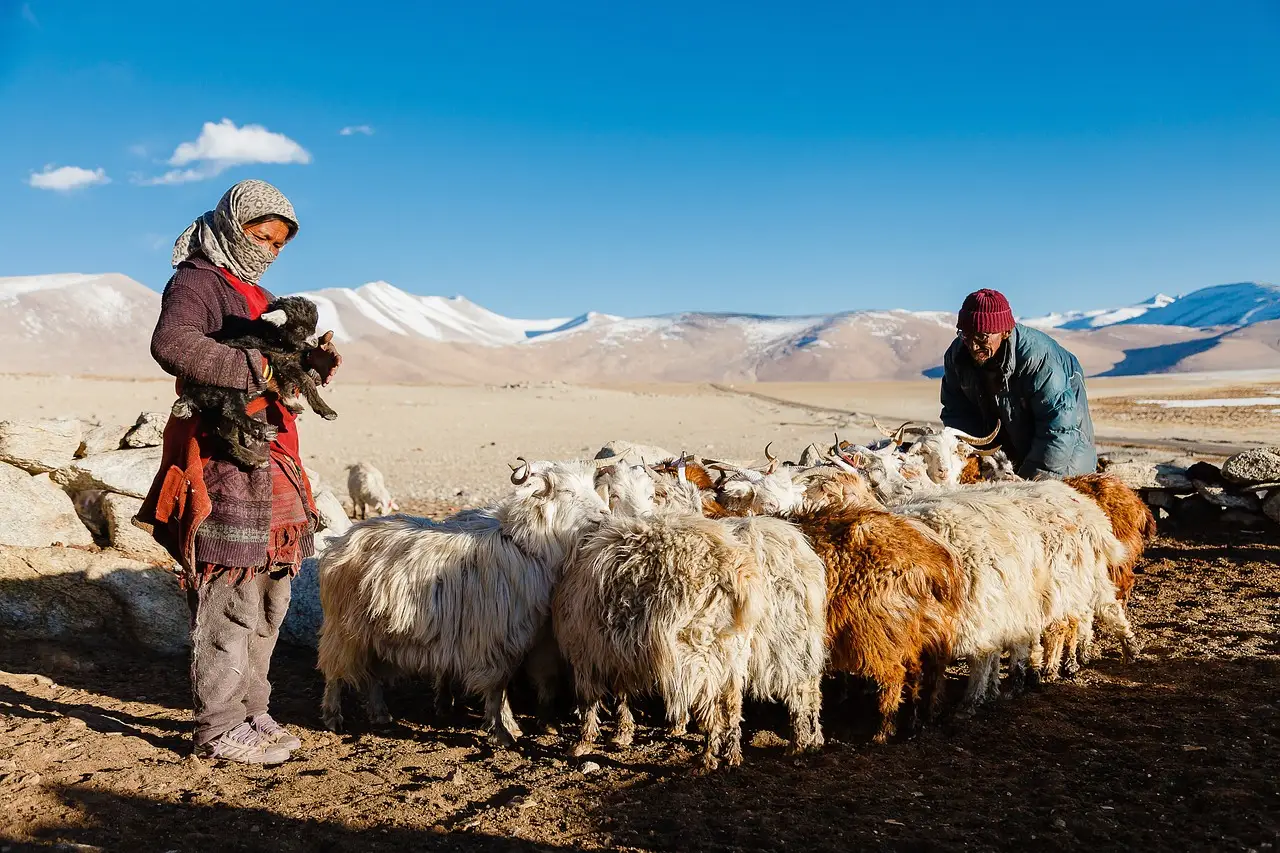
Photo: alandsmann / pixabay
Michigan winter temperatures dropped as low as -19 F in Grand Rapids in January 2026, and monthly averages from December through February ranged from 6.8 F to 41.5 F over the last five winters. Against those numbers, Michigan State University Extension has laid out practical guidance on calf jackets, the cheapest tool most dairy operations already own for managing cold stress in young calves.
The guidance comes from Pedro Trindade of MSU Extension, writing from East Lansing. His framing is direct: cold stress diverts energy away from growth and immunity, and both matter for future milk production and farm efficiency.
Why young calves lose heat
Four physiological factors put preweaned calves at a disadvantage in cold weather, Trindade writes:
- Size: calves are small and have a large skin surface area relative to body mass.
- Skin: their skin is thin, and they carry little body fat for insulation.
- Circulation: unlike adult cows, they cannot efficiently reduce blood flow to the skin to conserve heat.
- Rumen: the rumen is not yet functional, so it cannot generate metabolic heat the way a mature rumen does.
These same early weeks are when calves build their own immune defenses. Cold stress can disrupt that process and raise disease risk, which places jacket management squarely in the health column, not just the comfort column.
The biological context matters too. Wild ancestors of today's dairy breeds, particularly those from cooler climates, carried thicker hair coats than modern dairy calves. Even so, Trindade notes, wild calves faced health and welfare challenges that modern producers should not accept.
Has anyone tested jackets in Michigan conditions?
No. Trindade states plainly that no study has yet evaluated calf jackets under Michigan weather conditions. The recommendation to use jackets, especially for calves housed individually, rests on physiological reasoning rather than local trial data. Trindade invites producer feedback by email at [email protected] and asks for ideas on new research that meets dairy producers' needs.
Disbudding pain compounds cold stress
One detail deserves attention at the chute. Disbudding causes inflammatory pain that can impair a calf's ability to maintain body temperature, and that impairment matters more in cold months. Trindade recommends good pain control, defined as local anesthesia plus a non-steroidal anti-inflammatory drug, whenever disbudding happens in cold weather. His lab, working with national and international collaborators, is now studying how disbudding pain affects cold coping and welfare, health and production outcomes.
Four management rules
MSU Extension condenses jacket practice into four points:
- Keep jackets clean. A feces-soiled jacket holds moisture against the skin and can spread pathogens. Check jackets daily, especially when a calf has diarrhea, and change or wash soiled ones immediately.
- Keep calves dry. Jacket a calf only after the newborn is completely dry. Run a hand under the jacket daily; if the hair feels damp, remove the jacket until the calf dries.
- Watch the transition months. From fall to winter and winter to spring, temperatures can swing widely within a single day. A jacket suited to a cold morning can overheat a calf by afternoon and cause sweating. If that moisture remains when evening temperatures fall, the calf loses far more heat.
- Wash between calves. Jackets carry manure and pathogens from one animal to the next, so wash and fully dry them before reuse.
The practical takeaway for practitioners and producers: a jacket is a management tool with failure modes, and hygiene plus timing determines whether it helps or harms. With the Trindade lab now studying cold-weather calf welfare directly, evidence specific to northern climates may follow.
Source: morningagclips.com
Elena Vasquez
Show full bio
Market editor covering money, funding and market shifts around Small- and large-animal clinical practice at The Vet Scope.
Related articles
OSU Extension flags late winter as high-risk window for livestock
Freezing Temperature Shapes Bovine Colostrum Quality, Study Finds
Clay feed additive failed to rescue milk yield in heat-stressed Holsteins
Heat Stress in Dairy Herds: What the Manitoba Co-operator Piece Tells Producers
New Meta-Analysis Targets Water Intake Under Heat Stress in Holsteins