Arkansas State lands $2.6 million animal-health research grant
Arkansas State received $2.6 million, including $1.3 million from USDA NIFA, to build animal-health research capacity, improve feed testing and train students through 2030.
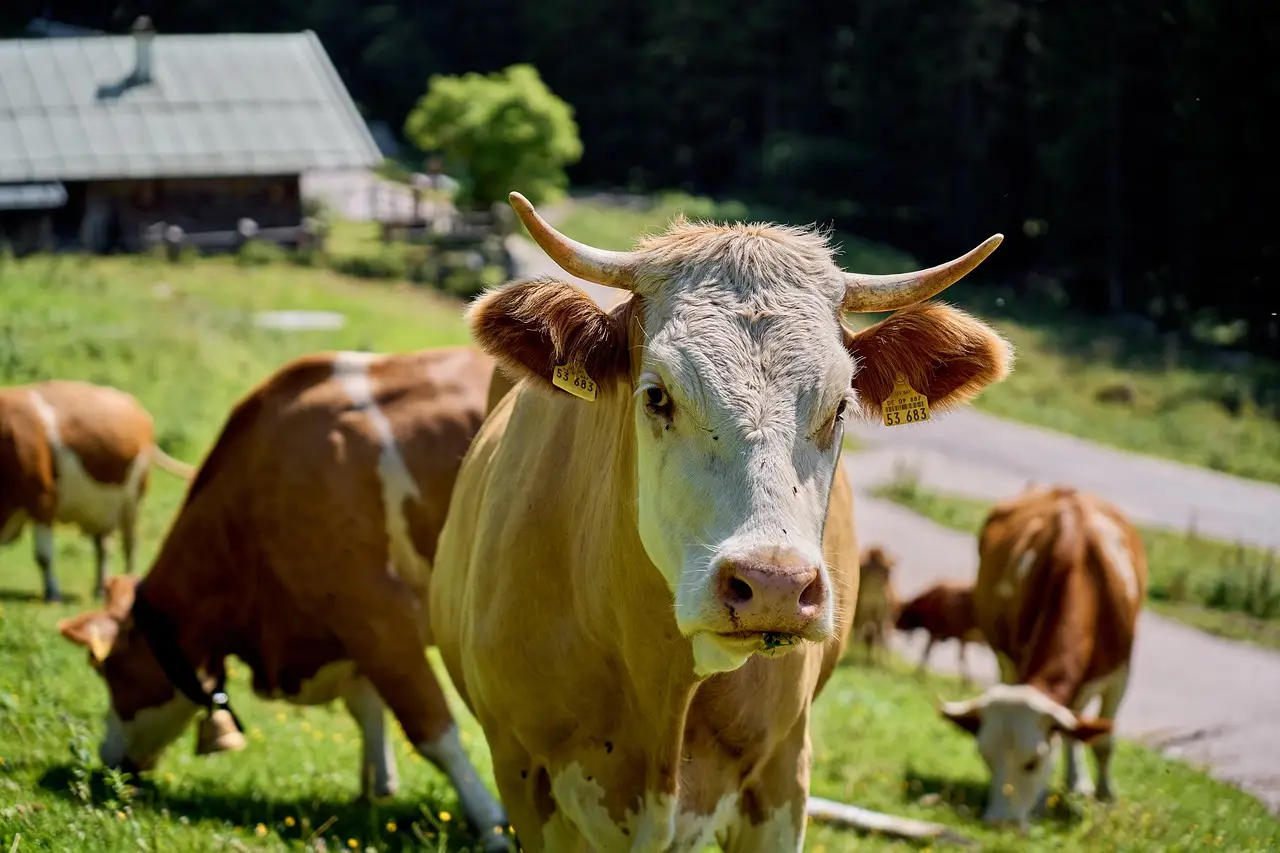
Photo: AndreasGoellner / pixabay
By Daniel Okafor
Arkansas State University in Jonesboro, Arkansas, will direct a $2.6 million project to expand animal-health research capacity in the Mississippi River Delta region. The project includes $1.3 million from the U.S. Department of Agriculture’s National Institute of Food and Agriculture, and A-State is one of 36 universities nationwide receiving research-facilities funding. Work began in September and is expected to finish by 2030.
The project responds to northeast Arkansas’s substantial agricultural footprint. It will place diagnostic and analytical capabilities on one campus, expanding research capacity and helping teams conduct their work more efficiently.
What will the project build?
A planned building on the university farm will provide research space for the College of Veterinary Medicine. It will also support the animal science curriculum in the College of Agriculture.
New equipment will expand the Ecotoxicology Research Facility within the Beck College of Sciences and Mathematics. The added analytical scope covers:
- Organic contaminants
- Metals
- Nutrients
Researchers will conduct those analyses on campus, reducing costs and giving the College of Agriculture and College of Veterinary Medicine shared access to specialized instruments.
Takeaway: The practical gain is lower-cost, on-campus access to feed and contaminant testing for A-State animal-science teams.
How will the facilities change research and training?
The health of large-animal herds depends on the quality of the feed they consume. The new equipment will help researchers examine feed quality, a major component of large-animal research, and determine how essential nutrients relate to animal health.
Dr. Jennifer Bouldin, dean of the Beck College of Sciences and Mathematics, said: “This grant provides an exciting opportunity for the Beck College of Sciences and Mathematics, the CoA and the CVM to collaborate on innovative research initiatives both within and across the three colleges.” Expanded facilities will give graduate and undergraduate students across those colleges more opportunities to join research projects, gain hands-on experience, and contribute to discoveries in their fields.
Takeaway: The laboratories will support herd-health research while giving more veterinary and animal-science students practical laboratory experience.
Which animal-health applications will benefit?
-
Food animals: The clearest direct application is research on feed quality and large-animal herd health. On-campus analysis of contaminants, metals and nutrients will strengthen work tied to regional agricultural production and the products farmers raise and consume.
-
Companion animals: The award does not announce a companion-animal trial, veterinary clinic, drug, vaccine or treatment protocol. Any benefit to companion-animal medicine would remain indirect, flowing through shared research infrastructure and student training.
Public health: A-State links the work to regional industries, agricultural stakeholders and rural community health. The announcement does not specify human studies, food-safety surveillance or changes to food-safety standards.
Regulatory status: The award funds research infrastructure, not an animal drug or vaccine. The announcement identifies no filing or approval by FDA’s Center for Veterinary Medicine, the European Medicines Agency or USDA.
Takeaway: The immediate beneficiaries are research programs, students and regional agriculture; direct human-health or companion-animal clinical outcomes are not promised.
Why is the grant strategic for A-State?
Dr. Travis Marsico, vice provost for research, innovation and discovery, said: “The combination of federal investment, university funds, and commitments from donors are critical for growing the research capacity through improved facilities at A-State.” He said the award reinforces the university’s effort to improve research facilities and give faculty the support they need to secure competitive funding.
According to Marsico, Bouldin and her collaborators developed the proposal under extremely tight deadlines. The proposal received backing from A-State’s chancellor, provost and vice chancellor for advancement, reflecting the university’s commitment to stronger research facilities.
Bouldin said the partnership will expand service to regional industries, the agricultural community and other stakeholders. She expects it to strengthen regional relationships, support economic growth and develop solutions for real-world challenges through collaborative research.
Takeaway: Beyond new equipment, the award aims to improve A-State’s ability to obtain future competitive grants and serve regional agriculture.
What must be complete by 2030?
The $2.6 million schedule covers three linked workstreams through 2030:
- Construct research space on the university farm for the College of Veterinary Medicine and the College of Agriculture’s animal science curriculum.
- Install new analytical equipment at the Ecotoxicology Research Facility in the Beck College of Sciences and Mathematics.
- Expand on-campus testing for animal feed quality, organic contaminants, metals and nutrients.
By 2030, A-State expects the three colleges to use the expanded facilities for collaborative research, regional service and hands-on training in animal and feed analysis.
Source: Google News: Veterinary medicine
Daniel Okafor
Show full bio
News editor covering technology and product news in Small- and large-animal clinical practice at The Vet Scope.
Related articles
Arkansas Opens First College of Veterinary Medicine at A-State
WSU to Lead Global Livestock Initiative Backed by $40M
University of Florida Lands $9.5 Million Gift to Fight Cattle Pests
Purdue and Elanco break ground on One Health Research Institute
K-State Breaks Ground on $128 Million Veterinary Diagnostic Lab