36% of Pet Owners Use AI for Pet Care—and Most Say It Helps
A HABRI–Chewy Health survey of 2,008 US dog and cat owners found 36% use AI for pet care, and 69% of those users say it improved their relationship with their veterinarian.
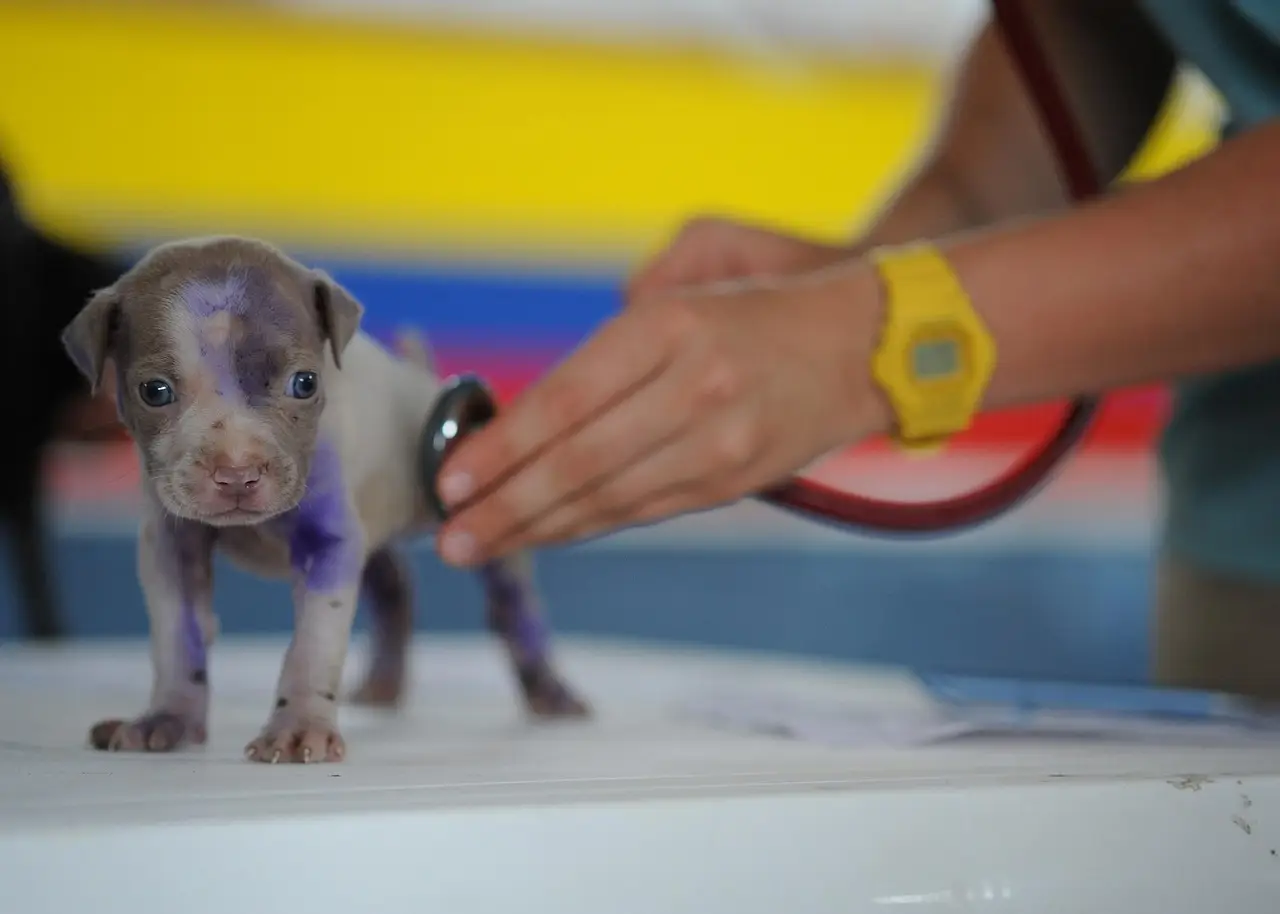
Photo: FunkyFocus / pixabay
Thirty-six percent of US dog and cat owners have used artificial intelligence for pet care, and 69% of those users say the technology improved their relationship with their veterinarian. Those figures come from the Artificial Intelligence and Pet Health Study, released November 10, 2026, by the Human Animal Bond Research Institute (HABRI) and Chewy Health, based on a 19-minute online survey of 2,008 dog and cat owners aged 18 to 70, fielded in May 2026 among primary decision-makers for their pets' care. The sample was nationally representative by age and gender.
The headline finding for practitioners: AI use among clients appears to be strengthening, not undermining, engagement with veterinary teams.
What did AI users report about the exam room?
Among AI users who have a veterinarian, 80% said AI helped them take better care of their pets. The survey measured concrete changes at the visit level:
- 67% felt more informed before a veterinary visit
- 66% said AI improved their understanding of their veterinarian's explanations
- 62% said conversations with their veterinarian had become more productive
Owners who used AI before a nonroutine visit reported more confidence discussing their pet's condition and treatment options than those who did not—81% versus 71%. Overall, 64% of AI users with a veterinarian said they feel more confident talking with their veterinarian.
Respondents also linked AI use to the human-animal bond: 77% said it made them better pet parents, and 67% said it strengthened their bond with their pet.
"Pet parents have always looked for information to help them make the right decisions for their pets, and AI is becoming another part of that journey," Mita Malhotra, president of Chewy Health, said in a news release. "What's encouraging is that pet parents who use AI are highly engaged with their veterinarians, using it to better understand their pet's health and feel more prepared and confident along the way."
Do clients trust AI more than their veterinary team?
No. Pet owners rated veterinary teams far higher than AI on personalization, trustworthiness, and accuracy. Veterinary teams outscored AI on every attribute measured, with the widest gaps in personalization (78% versus 11%) and trustworthiness (75% versus 10%). AI came closest on a single attribute—speed of information—where it edged veterinary teams 44% to 40%.
Asked about AI's drawbacks, 82% of owners cited its inability to physically examine a pet, and 73% said it cannot replace advice from a real person. Owners credited AI with 24/7 availability, quick answers, reassurance, and ease of use, while acknowledging it cannot provide the human judgment, empathy, and accountability that pet care requires.
Among AI users, 84% said it provided a quick answer, 83% cited reassurance and peace of mind, and 82% said it gave them more confidence in their choices. For many owners, the primary driver is gauging the urgency of a situation.
How fast is adoption growing?
Overall, 81% of respondents have used AI in some capacity, and 36% have used it for pet care. Pet owners were 3.7 times as likely to anticipate using AI more, rather than less, in the coming year, and 70% said they are open to using AI for pet care. Momentum was strongest among younger, more research-oriented owners.
Few owners rely on AI alone. Only 1% to 2% use it exclusively, and AI users consult an average of 9 information sources, compared with 5.2 among non-users. Privacy remains a concern: 65% of owners worry about how AI uses their personal data.
AI users also appeared more willing to spend on care—34% said "money is no object," compared with 23% of non-users. "AI usage among pet parents is a clear expression of how much they care about their pets," said Steven Feldman, president of HABRI.
What should practices do with the findings?
HABRI and Chewy Health published The Bond Factor II, a guide for veterinary teams on navigating client conversations about AI. The data argue for engagement over dismissal: among AI-using owners, 60% said they would have a better relationship with a veterinarian who encourages AI use, and 56% said they would be upset if a veterinarian discouraged it.
The guide outlines four recommendations:
- Define roles. AI can help clients prepare questions, organize observations, and translate terminology; the veterinary team examines, diagnoses, prescribes, interprets findings, and evaluates urgent symptoms.
- Make AI part of the conversation. Invite clients to share AI-generated responses, encourage questions, and make clear the veterinary team owns clinical judgment.
- Help clients get better AI responses. Offer sample prompts, such as turning discharge instructions into a checklist. Remind clients to fact-check AI against veterinary sources, never change medications based on AI alone, and remove identifying details to protect privacy.
- Strengthen client communication. Post-visit materials should cover next steps, recovery timelines, symptoms to watch for, when to seek emergency care, and clinic-approved resources.
With AI use among pet owners at 36% and rising, and clients who use it reporting more productive visits, practices that set expectations around AI now are positioned to capture that engagement rather than contest it.
Source: dvm360.com
Amara Osei
Show full bio
Correspondent covering companies, deals and strategy in Small- and large-animal clinical practice at The Vet Scope.
Related articles
AI Use Among Veterinary Professionals More Than Doubles in 2 Years
AVMA President Points to AI's Growing Role in Pet Veterinary Visits
AI in Veterinary Practices: The ROI Depends on Baselines and Buy-In
AVMA Delegates Open Formal AI Policy Review as Adoption Climbs
Veterinary AI Partnership Could Carry Clinic Tools Into Human Medicine