AI in Veterinary Practices: The ROI Depends on Baselines and Buy-In
Nearly 40% of veterinary professionals already use AI tools, but ROI depends on baselines, team buy-in, and an adoption rate most practices never track.
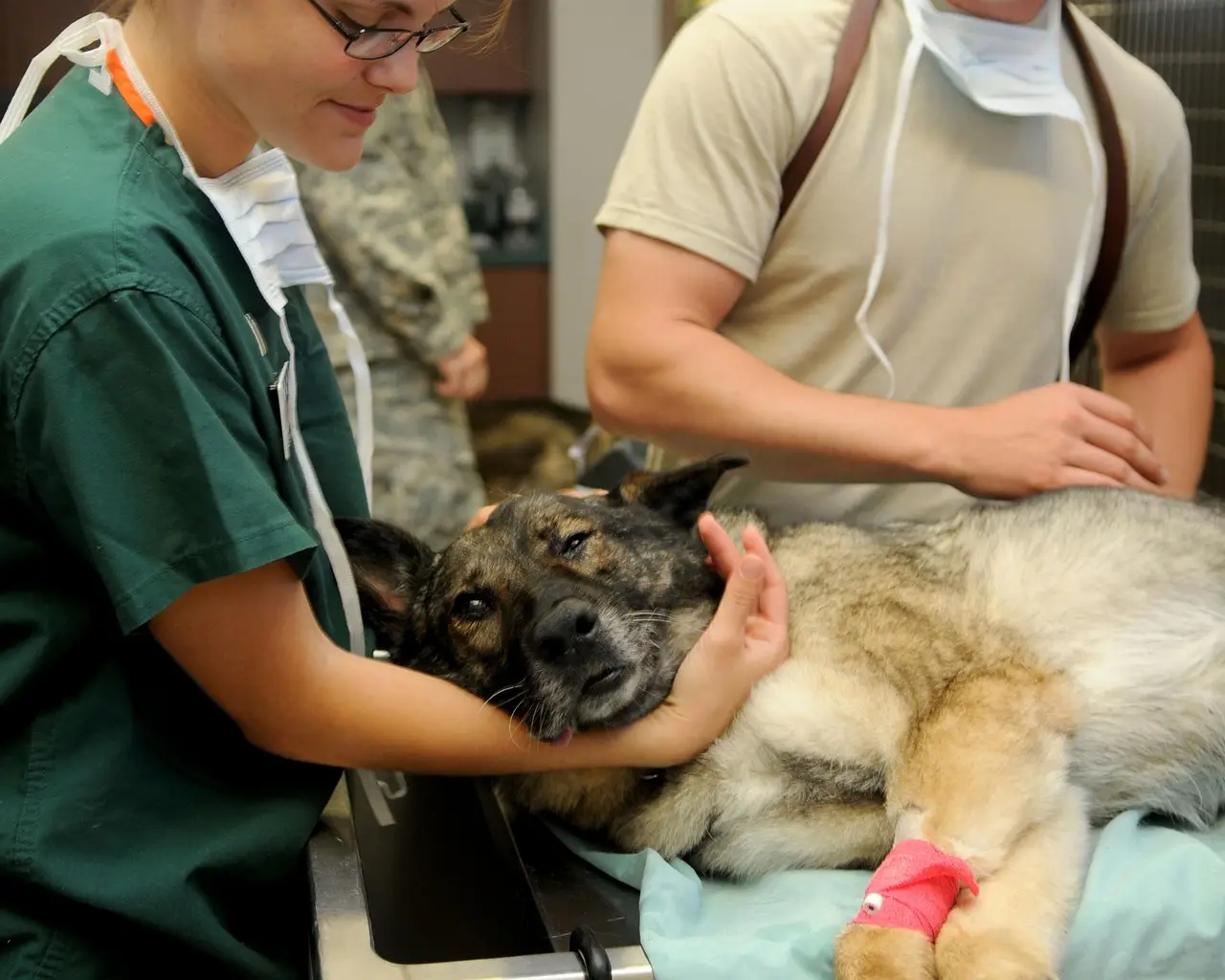
Photo: 12019 / pixabay
Nearly 40 percent of veterinary professionals already use AI tools in practice, yet many practice owners cannot say whether the software has paid for itself. A 2024 survey of 3,968 veterinary professionals, conducted by Digitail in collaboration with the American Animal Hospital Association (AAHA), found 39.2 percent of respondents were already using AI tools or software, and among those who had tried it, nearly 70 percent reported using it daily or weekly. Another 38.7 percent said they were interested in adopting AI soon.
Ask 10 practice owners whether AI has paid for itself, and you will get 10 different answers, ranging from "It's transformed our documentation" to "We signed up, and I couldn't tell you if anyone uses it." Both responses are common. The difference between them has less to do with the software than with how the practice measured, rolled out, and adopted the tool.
Where does AI actually return value today?
Three categories are generating measurable returns in practices right now.
Clinical documentation. Ambient scribe and transcription tools listen during the exam and draft the record, so the veterinarian is not typing while a client talks or catching up on notes after closing. The return here is concrete: time. When charting moves into the appointment itself, doctors reclaim evenings, and records get completed while the visit is still fresh. The downstream benefit is cleaner records, which support better handoffs between doctors, technicians, and front-desk staff. Practices evaluating these tools should track charting completion time and the number of records completed the same day.
Diagnostic and decision support. These tools use a patient's history and presenting signs to surface relevant considerations for the clinician — not to make the call, but to make sure nothing obvious gets missed during a busy day. The framing matters. These tools earn trust when they behave like a well-prepared colleague who offers context, and they lose it quickly when they overpromise. Any responsible implementation keeps the veterinarian firmly in control of the decision. The value is reduced cognitive load and fewer things slipping through the cracks.
Client communication. The least glamorous area is often the highest-ROI one. Reminders, follow-ups, appointment confirmations, and discharge summaries consume an enormous amount of front-desk time when handled manually. Tools that draft client-ready summaries or reduce phone tag free staff for higher-value work. The metrics to watch: no-show rate, reminder compliance, and time spent on outbound calls.
"At my office, clinical documentation gave us our first real win. Before AI, I spent too much time after clinic reconstructing detailed mobility and therapy notes for patients," says Tom Walsh, DVM, owner of PrimePet Rehabilitation Therapy in Myrtle Beach, S.C. "Once the tool listened during visits, notes wrote themselves while we talked with owners, creating cleaner handoffs and fewer missed details from busy physical therapy days."
Why do most practices fail to measure ROI?
Here is the uncomfortable truth: most practices never recorded where they started. ROI is a comparison, and it requires a baseline. If you do not know your average charting completion time, your no-show percentage, or how many hours staff spend on the phone before adopting a tool, you have nothing to compare against afterward. The fix is unglamorous and worth the effort: spend two to four weeks before implementation capturing a handful of baseline numbers.
- Documentation tools: average time to complete a record, percentage of records finished same day, after-hours charting hours per doctor.
- Communication tools: no-show rate, reminder response rate, outbound call volume or minutes.
- Decision support: harder to quantify, but track missed-charge frequency or record completeness.
What kills AI investments?
The single most common reason AI investments underperform has nothing to do with the technology. It is the tool handed down from the top without the team on board. Leadership signs the contract and announces the rollout; staff who were never consulted or trained treat it as one more imposition on an already full day. Within weeks, people revert to the old way. The subscription renews anyway.
Documentation tools affect the medical record, which is professionally and legally the doctor's responsibility. If a veterinarian does not trust the output, they will not use it. The practices that get real ROI involve users in the decision, pilot with one or two willing team members — often the doctor pickiest about workflow — and connect the tool to a problem the team agreed was worth solving.
"Team buy-in matters more than any feature set when it comes to real ROI. I brought our front-desk lead and a senior rehab tech into the process before we rolled out client communication tools," says Dr. Walsh. "Because the team shaped it from the beginning, adoption was high, and we saw better compliance with less time spent on follow-up calls."
What is the metric no one tracks?
Adoption rate is the most revealing metric in the AI conversation, and the one practices most consistently fail to track. If five doctors have access to an ambient scribe and two use it regularly, the adoption rate is 40 percent, and the real per-user cost is more than double what the invoice suggests. Usage dashboards and login activity surface this data. A low adoption rate three months in is not a reason to abandon the tool; it is a signal to revisit training, workflow fit, or team buy-in.
In the AAHA survey, nearly 7 in 10 adopters used AI every day or week. Adoption, once it takes hold, tends to last.
The practices seeing genuine return on AI are not necessarily the ones that bought the most capable tools. They are the ones who wrote down where they started, brought their teams along, and kept an honest eye on whether anyone was using what they paid for. The audit worth running this quarter is not whether AI works, but whether it is working for you.
Dr. Walsh co-wrote the original article with the team at Shepherd Veterinary Solutions.
Source: Veterinary Practice News
Elena Vasquez
Show full bio
Market editor covering money, funding and market shifts around Small- and large-animal clinical practice at The Vet Scope.
Related articles
AI Use Among Veterinary Professionals More Than Doubles in 2 Years
Veterinary AI Partnership Could Carry Clinic Tools Into Human Medicine
AVMA President Points to AI's Growing Role in Pet Veterinary Visits
AVMA Delegates Open Formal AI Policy Review as Adoption Climbs
Veterinary AI Adoption Tops 83.7%; Strategic Users Report 6x Outcomes