$1 Million Endowment Secures NC State Honey Bee Research Program Permanently
NC State raised $1 million to endow a distinguished apiculture professorship led by David Tarpy, permanently funding honey bee research that has run since 1914.
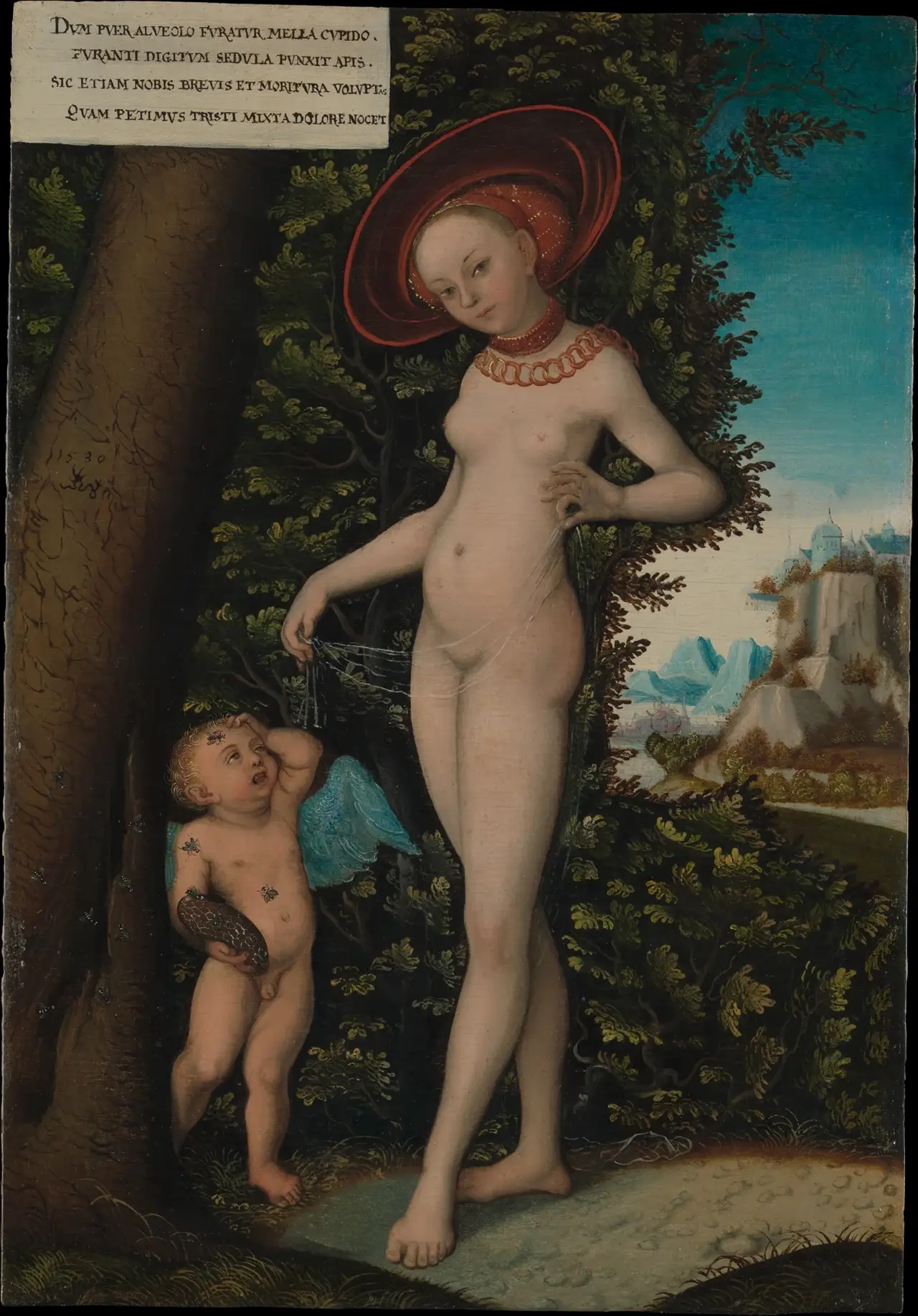
Photo: Lucas Cranach the Elder / The Met · CC0
NC State University has closed a $1 million fundraising campaign to endow a distinguished professorship in apiculture, a step that guarantees permanent funding for the faculty position leading its honey bee research program. The College of Agriculture and Life Sciences announced the milestone in Raleigh. The endowment funds the role in perpetuity.
The North Carolina State Beekeepers Association (NCSBA) led the fundraising effort, working with the State of North Carolina and NC State. David Tarpy, CALS professor and extension specialist, will serve as the inaugural North Carolina State Beekeepers Association Distinguished Professor of Apiculture. He has directed the university's apiculture program for 23 years.
What does the endowment change?
The professorship removes the funding risk that had begun to concern the program's leader. Tarpy said he is "grateful and humbled" by how quickly beekeepers across the state organized to raise the money.
"The idea of being the last apiculture faculty and just turning out the lights, that was starting to weigh on me," Tarpy said. The endowment ensures the position and the program continue regardless of future budget cycles.
NC State faculty have studied honey bees for more than 100 years, with the apiculture program dating to 1914. The endowed chair now anchors that century of work with stable, dedicated funding.
How far does the program's reach extend?
The program operates in every county in North Carolina, delivering beekeeper education and diagnostic support through the Honey Bee Queen and Disease Clinic. It also trains the next generation of researchers. Six of Tarpy's former advisees now hold apiculture faculty positions at major universities.
"We really embody the land-grant mission: research, extension, and teaching," Tarpy said. "We do it all, and at a high level."
For veterinarians and apiary inspectors, the clinic represents a working diagnostic resource for queen health and disease issues in managed colonies across the state.
Who backed the campaign?
The NCSBA, one of the most active state beekeeping organizations in the country, counts more than 5,000 members engaged in outreach and Cooperative Extension. The organization has supported NC State's beekeeping program for decades, and the professorship campaign is the latest in a series of grassroots efforts to bolster apiculture at the university.
Maryann Helton, NCSBA president, called the professorship "a monumental milestone for North Carolina beekeepers" that cements a shared commitment with NC State to advance honey bee health, research and sustainable apiculture. She said the position ensures research, education and extension support stay at the forefront of the community, giving beekeepers statewide science-backed solutions so the apiculture network thrives for generations.
What comes next for the facility?
The association also served as a key partner in securing state funding for a new apiculture research building opening next year at CALS' Lake Wheeler Road Field Laboratory. The 5,000-square-foot facility will house research labs with glass-walled observation hives, state-of-the-art equipment for genetics testing, and a screened-in porch for public beekeeping demonstrations.
The building and the endowment together give the program both physical infrastructure and permanent faculty leadership. Asked what he most wants the program to preserve, Tarpy pointed to the people involved.
"What we do is a collective effort, and we can't do anything without a team," Tarpy said. "It's been a privilege surrounding ourselves with great employees, students and beekeepers, which allows us to accomplish more than we can on our own."
With the endowment secured and the new research building scheduled to open next year, honey bee research at NC State now carries committed funding and expanded laboratory capacity into the decade ahead.
Source: morningagclips.com
Daniel Okafor
Show full bio
News editor covering technology and product news in Small- and large-animal clinical practice at The Vet Scope.
Related articles
Honey Bee Veterinary Medicine Emerges as a Small but Growing Specialty
Darla Moore Scholars of Veterinary Medicine Established at Clemson
Honeybee Queens Offload Pesticides Into Their Eggs, Study Finds
WSU to Lead Global Livestock Initiative Backed by $40M
WSU Lands Federal Grant Worth Up to $40 Million for Livestock Work