$110.5M Gift Cohort Funds UC Davis Veterinary School Expansion
UC Davis School of Veterinary Medicine has secured $110.5 million in philanthropic commitments to underwrite programmatic and facilities expansion, ranking among the largest publicly disclosed gifts to a U.S. veterinary school.
Updated
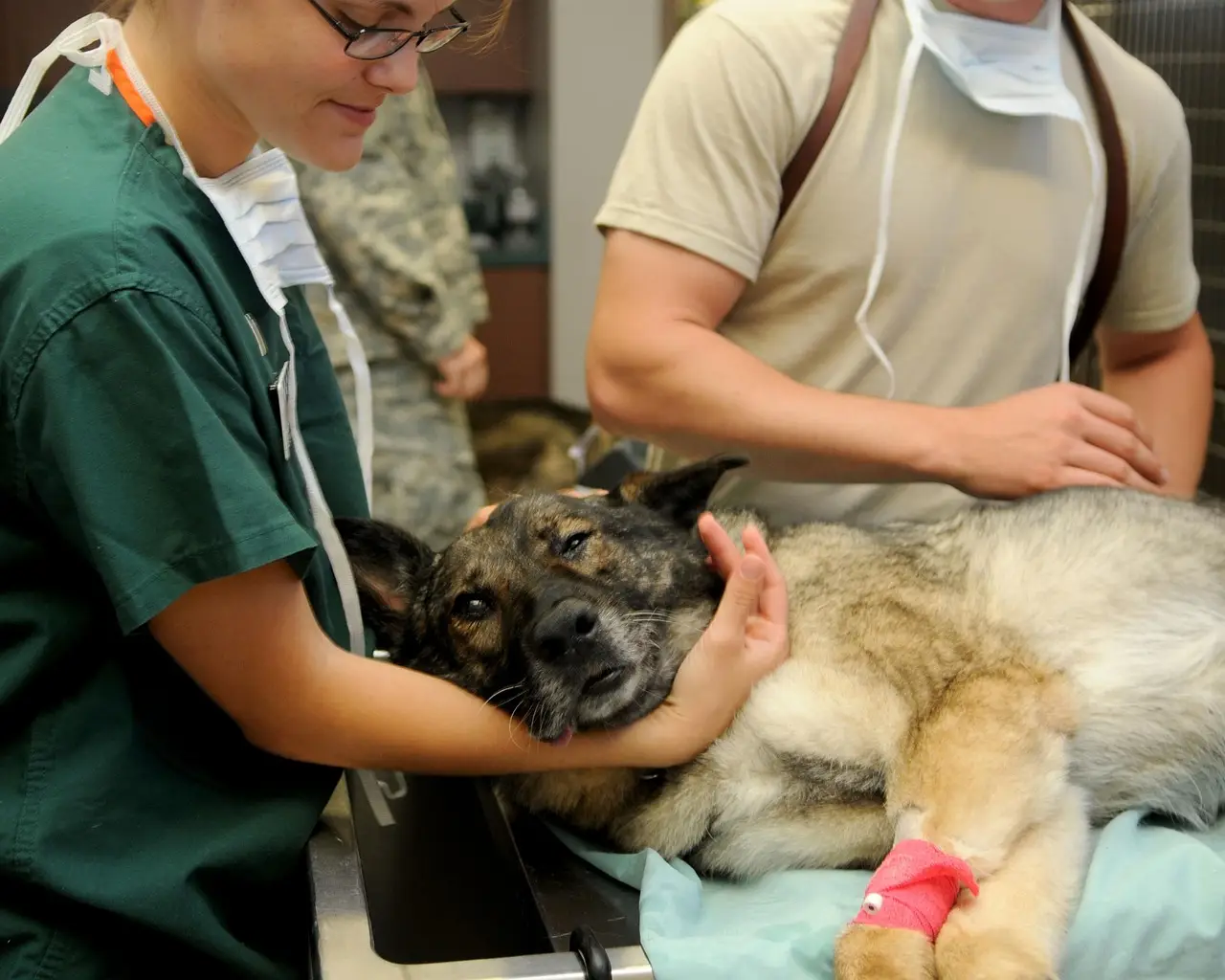
Photo: 12019 / pixabay
The UC Davis School of Veterinary Medicine will receive $110.5 million in philanthropic commitments to underwrite a planned expansion of its programs and facilities. The university confirmed the gift cohort, which ranks among the largest publicly disclosed philanthropic packages directed at a North American veterinary teaching hospital in recent years.
The institution has not yet released the full donor roster, the allocation across departments, or the construction sequence. For practitioners evaluating what the announcement actually changes, the headline figure matters less than where the dollars land.
What does the gift change at the exam table?
Expansion capital at veterinary teaching hospitals typically flows into three buckets. Clinical capacity that shortens referral wait times. Research infrastructure that moves trials from bench to bedside. Teaching space that increases the annual graduate pipeline.
Every dollar directed at teaching capacity eventually surfaces as a referral slot, a graduate hire, or a published protocol.
How does this affect referral patterns for practicing DVMs?
UC Davis operates the highest-volume veterinary teaching hospital in California, with caseloads spanning small animal, equine, food animal, and exotic species. Any expansion of clinical square footage typically translates to additional appointment slots, more boarded specialists, and faster turnaround on advanced diagnostics.
The school's existing infrastructure includes the Veterinary Medical Teaching Hospital, the Center for Companion Animal Health, the Center for Equine Health, and the California Animal Health and Food Safety Laboratory System. Which unit receives new investment, and on what scale, will determine whether referring veterinarians see meaningful change in the next two to four years.
Why does tuition revenue alone not cover this expansion?
Philanthropic gifts close capital gaps that tuition revenue cannot. Schools that secure eight-figure commitments can typically accelerate faculty recruitment, expand residency slots, and modernize equipment that general practices cannot justify on a per-procedure basis.
Teaching hospital capacity is what practitioners wait for, and tuition revenue alone cannot fund it.
What are the research and graduate pipeline implications?
Capital expansion at research-intensive schools usually bundles wet-lab and core-facility buildouts. UC Davis houses active programs in infectious disease, oncology, orthopedics, and regenerative medicine, alongside One Health surveillance work tied to public health infrastructure. New research square footage typically enables principal investigators to expand study populations, run larger clinical trials, and train more graduate students and residents.
The downstream effect for practitioners is straightforward. More trials mean more access to cutting-edge therapeutics. More residents mean a steadier supply of specialists entering referral networks across the western U.S.
Why does public health and food animal medicine matter here?
UC Davis operates the California Animal Health and Food Safety Laboratory System, a state-administered diagnostic network serving livestock producers, veterinarians, and public health agencies. Capital directed at that system typically expands surge capacity for outbreak investigations, antimicrobial resistance surveillance, and foreign animal disease rule-outs. Expansion funding that touches the lab system carries direct consequences for food animal practitioners and the producers they serve.
Diagnostic lab capacity is public health infrastructure, and gifts that fund it shorten the time between sample and answer.
What remains unknown?
The institution has not released the full donor roster, allocation across departments, or the construction sequence. Practitioners planning referral patterns over the next cycle should watch for the formal capital plan and any new faculty hires advertised by the school, which typically precede facility openings by 12 to 24 months.
The $110.5 million commitment will reshape what UC Davis can offer California practitioners and beyond. The specific shape of that reshaping depends on allocation decisions the institution has not yet disclosed.
Source: Google News: Veterinary medicine
Elena Vasquez
Show full bio
Market editor covering money, funding and market shifts around Small- and large-animal clinical practice at The Vet Scope.
Related articles
UC Davis Veterinary School Receives Record $120 Million Gift
Virginia Tech Commits $63 Million to Veterinary Teaching Hospital Expansion
Virginia Tech Veterinary Teaching Hospital Expansion Set for 2027
UC Davis Reappoints Stetter as Dean of Veterinary Medicine School
UC Davis revives small animal rotating internship after 45 years