UK Opens Equine Sports Medicine Complex Reserved Through 2028
UK's Gluck Center opened an equine sports medicine complex Oct. 30 with an eight-horse Cosequin exerciser, targeting osteoarthritis research in horses and humans.
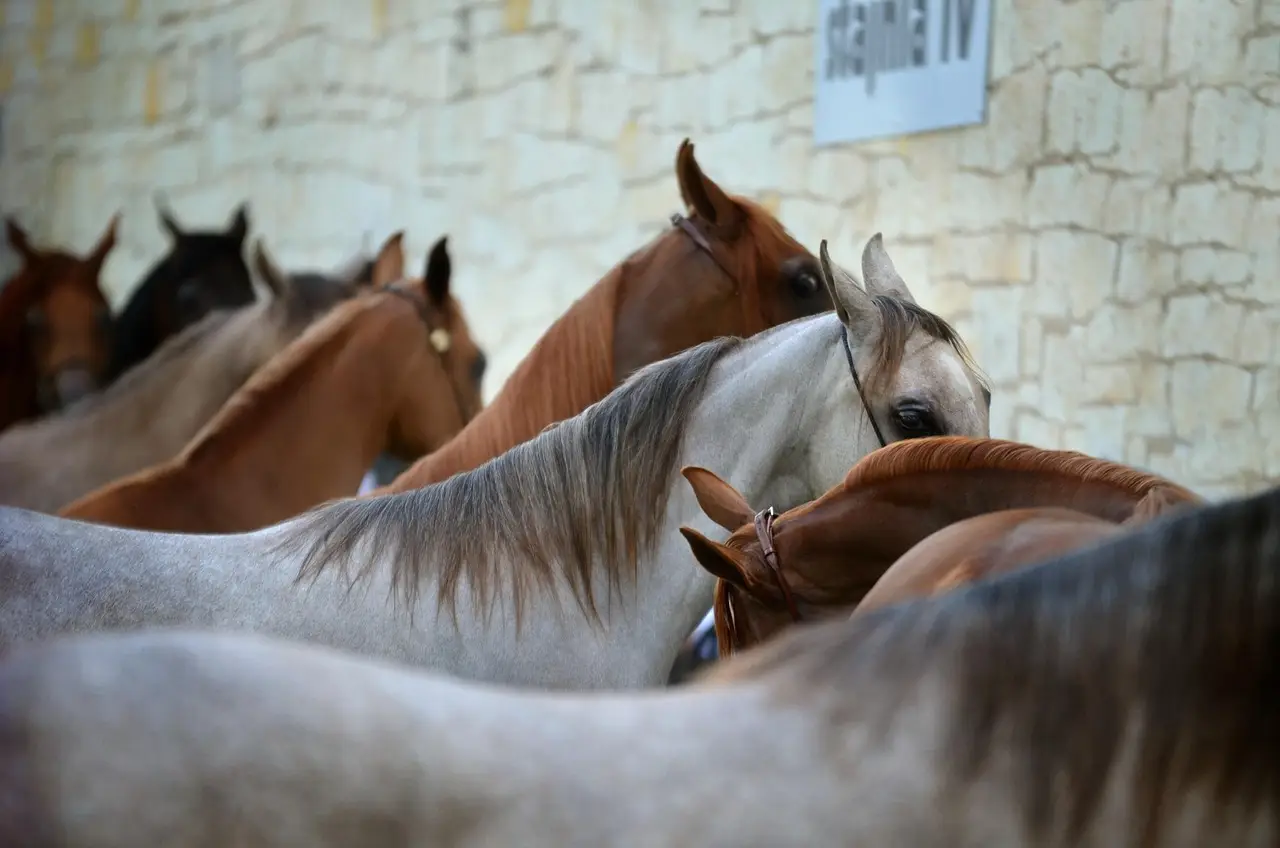
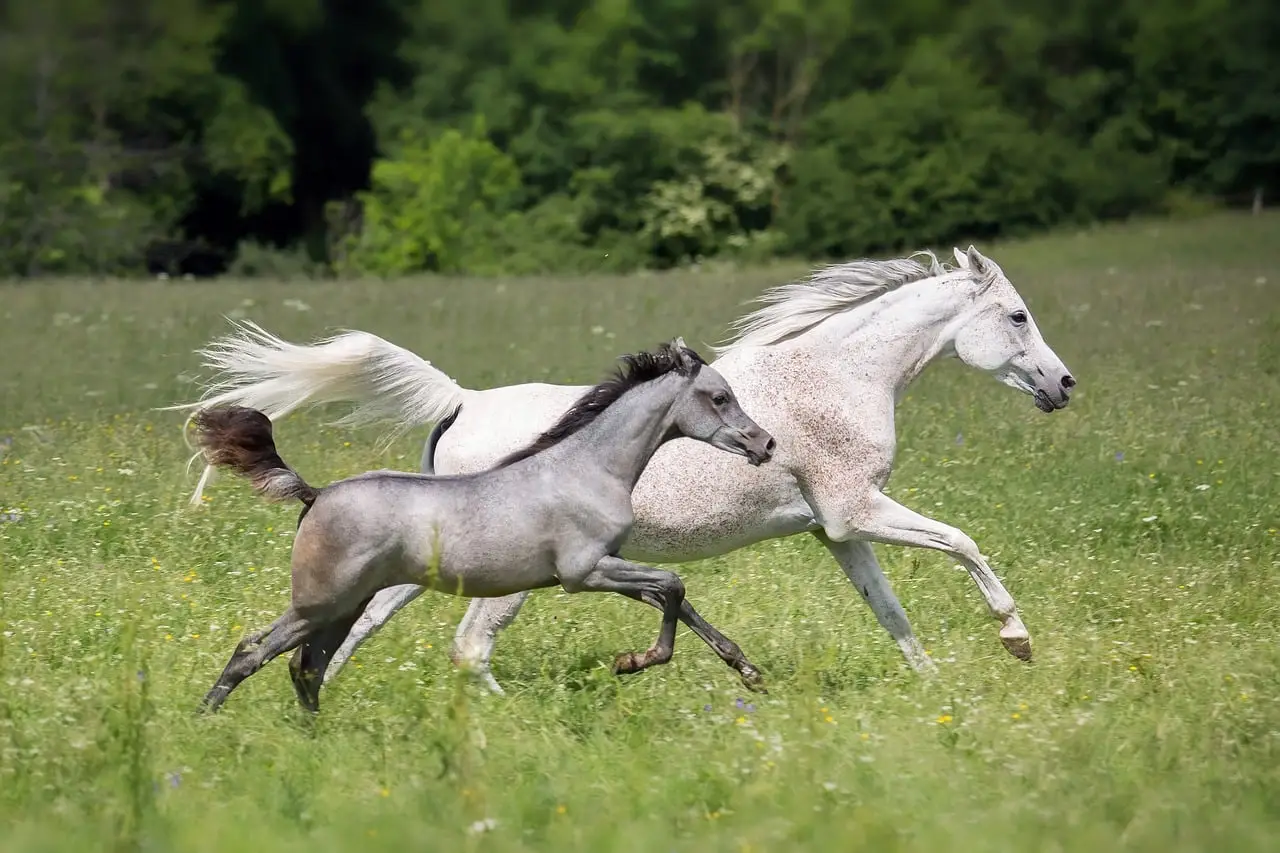
Photo: arabervollblut / pixabay
The University of Kentucky cut the ribbon Oct. 30 on an Equine Sports Medicine Research Complex already reserved for research projects through 2028. The facility sits within the Department of Veterinary Science's Gluck Equine Research Center at the Martin-Gatton College of Agriculture, Food and Environment, on North Farm in Lexington.
The preview ceremony marked the official opening of a facility built around one central problem: musculoskeletal disease is the leading source of economic loss in the equine industry and a major welfare concern for horses and their owners. Among those conditions, degenerative joint disease — osteoarthritis — accounts for more than 60% of cases.
The complex offers a first look at the Cosequin Equine Exerciser and a remodeled barn. Nutramax Laboratories funded construction of the new eight-horse exerciser through a gift. The facility as a whole was financed through industry partnerships with Nutramax Laboratories Veterinary Sciences, Inc., Keeneland, Spy Coast Farm, and Town and Country Farm.
What changes for researchers and clinicians?
For practitioners, the facility expands capacity for translational work on the conditions they treat every week in the barn. Bruno Menarim, DVM, Ph.D., Bill Gatton Foundation Endowed Chair in Veterinary Physiology, framed the scope directly.
"This facility will provide novel research opportunities that focus on the improvement of equine welfare and safety and provide an unparalleled learning experience for graduate and undergraduate students," Menarim said. "The facility will enable translational, federally funded research opportunities that focus on improving human well-being, including leveraging proven translational equine models of orthopedic conditions in humans."
The proposal came from four UK researchers: Menarim; Allen Page, DVM, Ph.D., Bill Gatton Foundation Early-Career Professor at the Gluck Center; Austin Stone, MD, Ph.D., a knee and shoulder specialist at UK HealthCare's Orthopaedic Surgery and Sports Medicine group; and Emma Adam, DVM, Ph.D., DACVIM, DACVS, assistant professor and equine industry liaison at the Gluck Center.
The cross-species rationale is concrete. Osteoarthritis is the second most costly condition to the U.S. public health system after cancer, according to the research team, and post-traumatic osteoarthritis is the most common cause of early retirement and long-term disability among American soldiers. The horse serves as an established model for studying musculoskeletal conditions in humans, including osteoarthritis and therapy development.
How big is the footprint?
The physical assets are substantial:
- A renovated 12-stall barn at North Farm, surrounded by 26 acres
- The new eight-horse Cosequin Equine Exerciser
- An additional 16-stall barn slated for expansion to house more exercisers, a surgical suite and laboratory spaces
- North Farm's 1,900 acres, part of the Martin-Gatton CAFE Agricultural Experiment Station
Construction began in late 2025. The facility has already supported several research projects within the Gluck Center, and demand in Central Kentucky drove the design from the start.
Why industry partners funded it
Todd Henderson, DVM, president of Nutramax Laboratories, tied the company's gift to both research output and workforce development.
"This facility will advance high-quality equine and translational research while creating meaningful opportunities for undergraduate and graduate students to gain hands-on experience working with horses in a research setting," Henderson said. "We are excited to partner with the Gluck Equine Research Center on this important initiative, united by our shared commitment to evidence-based medicine, scientific advancement and the highest standards of welfare for both horses and humans."
Laura Stephenson, vice president for land-grant engagement and dean of Martin-Gatton CAFE, credited the collaboration model: "This facility reflects what is possible when our researchers and industry partners come together around a shared goal."
Brett Sponseller, DVM, Ph.D., chair of UK's Department of Veterinary Science and director of the Gluck Center, placed the facility in the department's translational mission. "The Sports Medicine Research Facility will enable the faculty at the Gluck Equine Research Center to leverage their talent for the benefit of the horse and human by supporting translational musculoskeletal research," Sponseller said.
What comes next
The complex also carries an educational mandate. The research team says the resources position UK to offer hands-on graduate and undergraduate training across multiple Martin-Gatton CAFE departments.
A grand opening and open house is scheduled for April 2027, when the university plans to showcase the research output and industry impact of the facility. Between now and then, the schedule is already full: bookings run through 2028.
Source: Google News: Veterinary medicine
Elena Vasquez
Show full bio
Market editor covering money, funding and market shifts around Small- and large-animal clinical practice at The Vet Scope.
Related articles
UK Opens Equine Sports Medicine Research Center in Lexington
Equine osteoarthritis drug therapies revisited 20 years on in new review
Cornell CVM publishes guide on joint supplements for orthopedic cases
USDA to Launch NAHMS Equine Industry Study Next Month
University of Kentucky Names New Veterinary Diagnostic Laboratory Director