UAE Bans Veterinary Antibiotic Use to Curb Resistance
The UAE has banned veterinary use of an antibiotic to slow drug-resistant bacteria. Clinics must revise protocols and confirm official guidance before changing formularies.
Updated
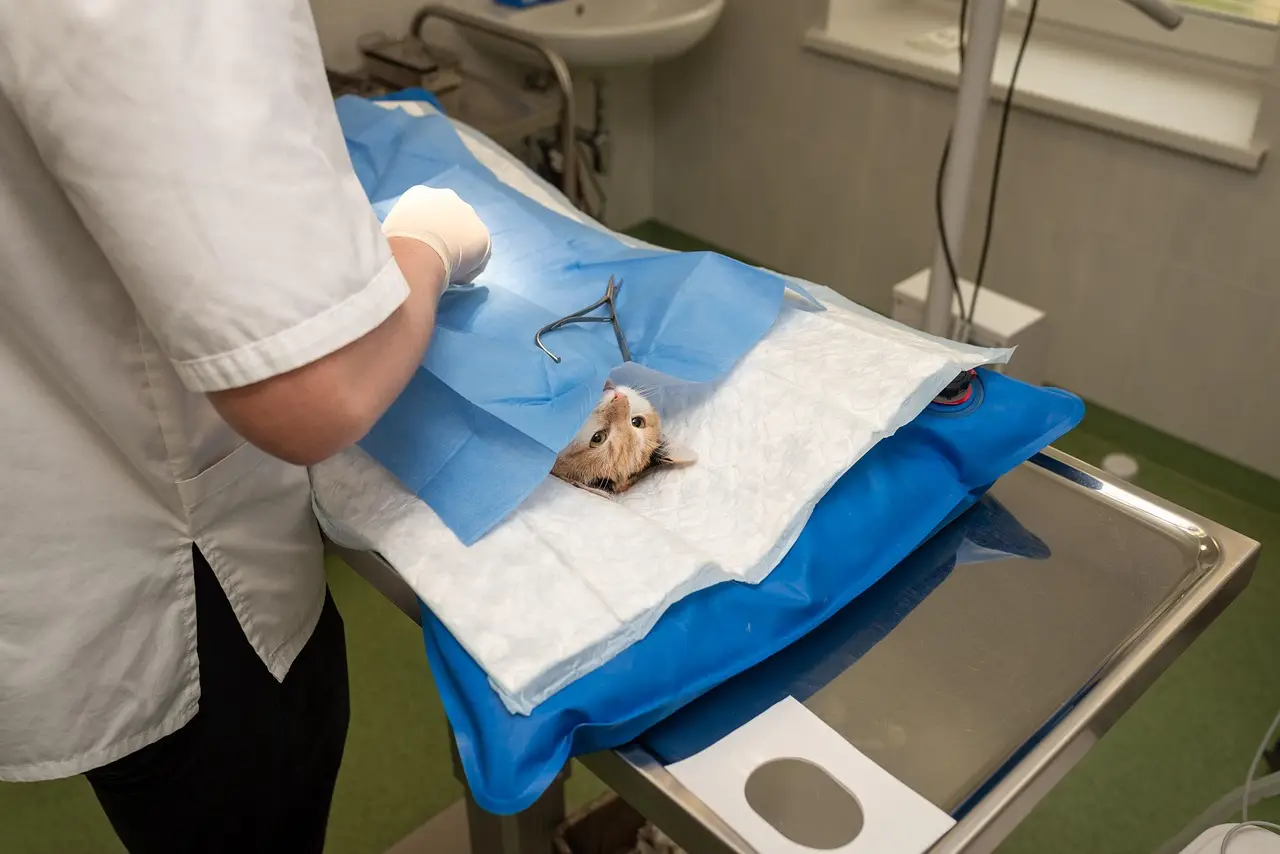
Photo: stevepb / pixabay
The United Arab Emirates has banned the veterinary use of an antibiotic, a decision aimed directly at slowing the spread of drug-resistant bacteria, The National reports.
The measure places the UAE among the governments now treating antimicrobial resistance in animals as a regulatory priority rather than a background concern. For practitioners in the region, the immediate consequence is simple. The named antibiotic is no longer an option in clinical or farm settings, and prescribing records must reflect that.
Why does a single ban matter?
Antimicrobial resistance does not respect the line between animal and human medicine. Bacteria that acquire resistance genes in livestock or companion animals can pass through the food chain, through direct contact, or through shared environments. Regulators in several jurisdictions have already restricted specific antibiotic classes in veterinary practice for exactly this reason.
The UAE action follows that pattern. One drug class removed from veterinary use. One fewer pressure selecting for resistant organisms. The logic is straightforward.
What changes at the practice level?
Veterinarians working in the Emirates face three practical adjustments:
- Treatment protocols that relied on the banned antibiotic require revision.
- Alternative compounds must be selected with residue and resistance profiles in mind.
- Client communication, especially in food-animal settings, must explain the change without inviting unregulated self-medication by owners.
The report from The National does not specify the drug, the effective date, or the federal authority issuing the ban. Practitioners should verify those details through official UAE channels before adjusting formularies.
How does this fit the wider picture?
Governments across the Gulf, Europe and North America have tightened veterinary access to medically important antibiotics over the past decade. Each ban narrows the toolkit. Each ban also preserves the drugs that human medicine still needs.
Companion-animal practice and livestock production carry different weight here. In pets, losing one antibiotic usually leaves workable substitutes. In food-producing species, the calculus includes withdrawal times, export-market residue limits and herd-level disease economics.
Public health carries the largest stake. Every restriction on veterinary antibiotic use reduces the selection pressure that produces resistant pathogens in people.
The takeaway in plain words: one antibiotic is now off the veterinary table in the UAE, and clinics there must plan around it. Expect further restrictions of this kind as resistance surveillance tightens across the region.
Source: Google News: Veterinary drugs
Elena Vasquez
Show full bio
Market editor covering money, funding and market shifts around Small- and large-animal clinical practice at The Vet Scope.