UAE bans widely used antibiotic in pets and livestock from November 1
The UAE will ban a widely used antibiotic in pets and farm animals from November 1, Gulf News reports, restricting companion and food-animal use in one directive.
Updated
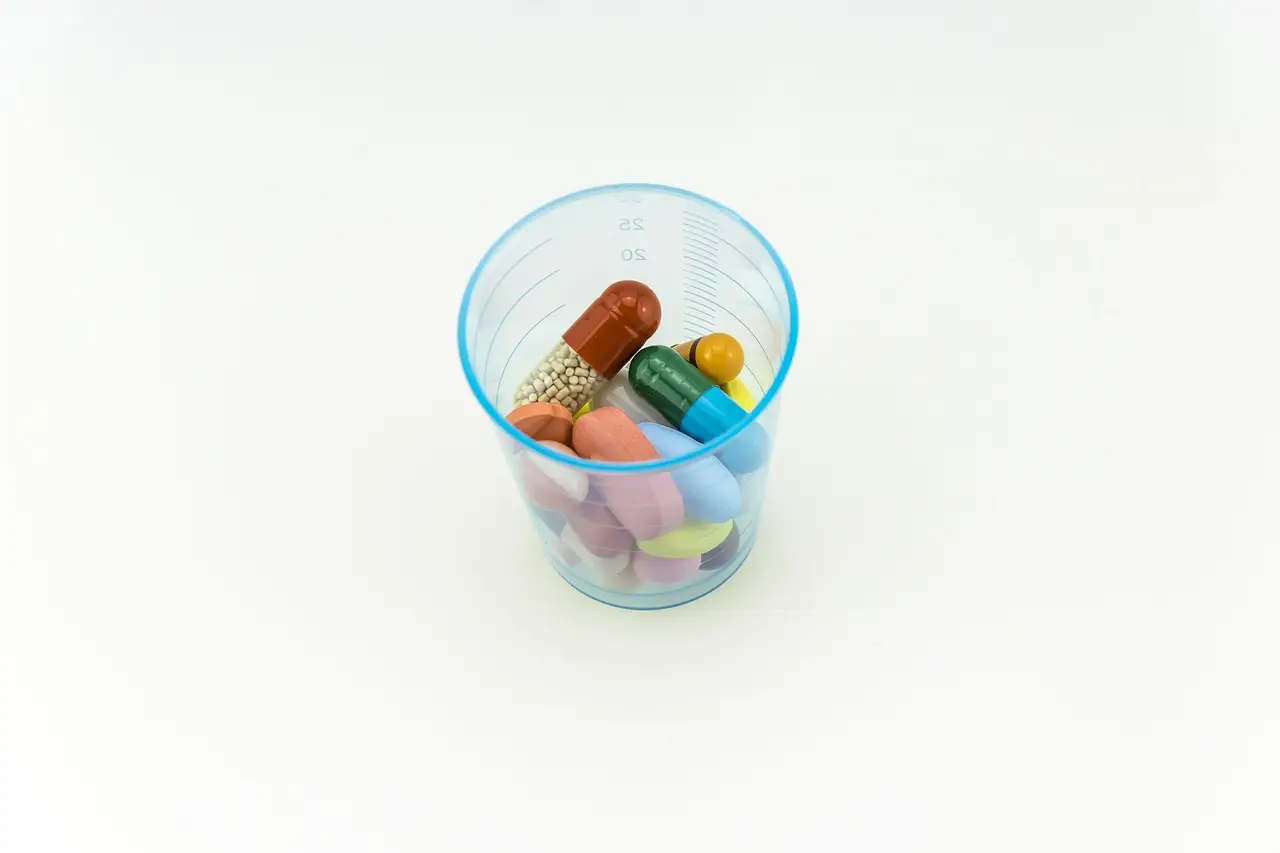
Photo: Erwin Bosman / unsplash
The United Arab Emirates will prohibit use of a popular antibiotic in both pets and farm animals starting November 1, according to Gulf News. The ban applies across the companion-animal and food-animal sectors in a single regulatory stroke, a scope that few national restrictions attempt.
The report, carried by Gulf News, identifies the affected drug only as a widely used antibiotic. The newspaper did not name the molecule, the ministry issuing the directive, or the specific license status of products containing it.
What does the November 1 date signal?
A fixed compliance deadline gives veterinary practices, pharmacies, feed suppliers and farms roughly a single procurement cycle to exhaust, return or reclassify existing stock. When a regulator sets a calendar date rather than a phase-out schedule, enforcement typically begins on that day, and inspections follow.
November 1 therefore functions as the line between lawful and unlawful use. Practitioners in the Emirates who currently reach for this antibiotic as a first-line option will need an alternative protocol in place before the date arrives.
Why do companion and food animals appear in one ban?
Most antibiotic restrictions target livestock, where antimicrobial use volumes dwarf those in small-animal practice, and where residues and resistance genes can move into the human food chain. Companion-animal medicine is usually regulated separately.
A ban that names pets and farm animals together signals that the UAE authority framed the restriction around antimicrobial resistance at a national level rather than around residue control alone. That framing carries different consequences for each sector:
- Companion-animal practices must revise empirical treatment choices, review standing protocols, and confirm which formulations remain legal after November 1.
- Livestock and poultry operations face the larger adjustment, since this antibiotic class anchors growth, prophylaxis and treatment programs in many systems.
- Pharmacies and distributors must align inventory and imports with the new legal status before the deadline.
What remains unconfirmed?
Gulf News did not report the antibiotic's identity, the issuing authority, whether veterinary-supervised exceptions will exist, or the penalties for non-compliance. The article also did not state whether the restriction covers import and manufacture or only clinical use.
Each of those details changes practice-level impact. A ban with therapeutic exemptions under veterinary prescription reads very differently from a total prohibition, and a restriction on imports shuts the supply chain at the border rather than at the clinic door.
Practitioners and suppliers operating in the Emirates will need the ministry notification itself — the document that names the molecule and the enforcement mechanism — before rewriting protocols.
The regional context
Gulf states have tightened veterinary drug rules steadily over the past decade, aligning national registers with international antimicrobial-resistance commitments. Restrictions of this breadth place the UAE among the regulators that treat antimicrobial stewardship as a one-health obligation spanning companion animals, livestock and, by extension, the public that lives alongside both.
The full ministry directive, once published, will determine which products leave shelves, which prescriptions change hands, and how enforcement unfolds across the Emirates' veterinary sector after November 1.
The Vet Scope will update this story as the ministry notification and the identity of the antibiotic are confirmed.
Source: Google News: Veterinary medicine
Nathan Brooks
Show full bio
Senior reporter covering companies, deals and strategy in Small- and large-animal clinical practice at The Vet Scope.
Related articles
Animal Medicines Amnesty Launches Following 2025 Return Surge
EMA Publishes 2025 Veterinary Medicines Annual Report
Livestock Outpaces Human Medicine in Antibiotic Use, Pate Warns
US Launches Pilot Program to Boost Domestic Veterinary Drug Production
Nigerian report reignites livestock antimicrobial resistance debate