Senior Pet Supplements: Omega-3s Carry the Evidence, Most Others Don't
One-third of pets are senior, yet no senior nutrient standards exist. A pooled review shows omega-3s work, glucosamine doesn't, and feline evidence lags.
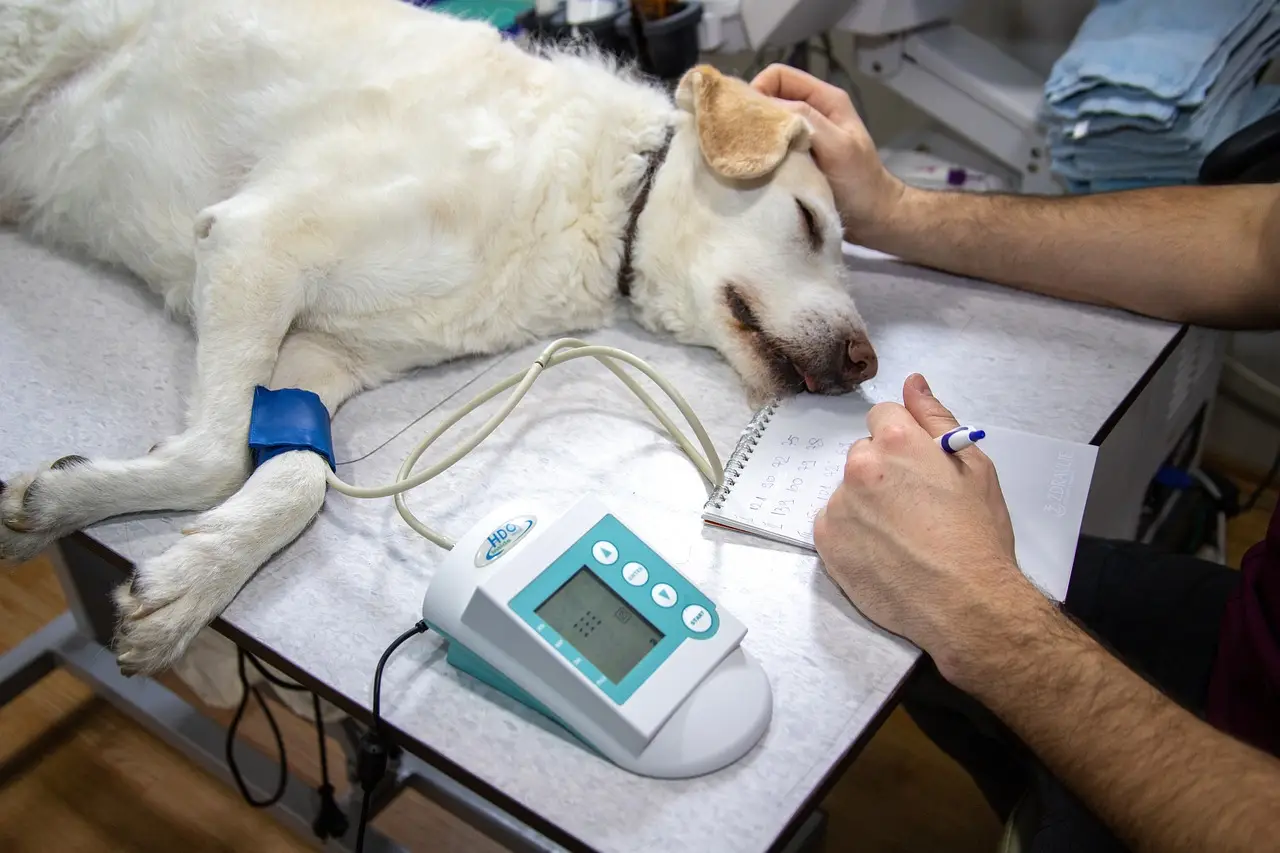
Photo: HeungSoon / pixabay
More than one-third of dogs and cats are now classified as senior, yet no regulatory or scientific consensus defines what a senior animal's nutrition should actually contain — and senior-labeled diets frequently match adult maintenance formulas nutrient for nutrient.
That gap, laid out in a review by Laura B. Gaylord, DVM, DACVIM (Nutrition), founder of Whole Pet Provisions, frames the supplement question for practitioners. Dogs are generally considered senior after age seven, or 10–11 years, with giant breeds crossing earlier, near 7.5 years. Cats reach senior status at 10–11 years, with some guidelines defining a separate geriatric stage in the last quartile of life. Record lifespans now exceed 31 years in dogs and 38 years in cats.
Current feeding standards were built for growth and adult maintenance, not aging. Manufacturers define their own senior-nutrition philosophies in the absence of consensus.
What aging actually changes
Aging alters physiology across systems. Both species lose lean muscle mass even when appetite and body weight stay normal — a pattern especially pronounced in cats, which can lose lean tissue from middle age onward while weight holds stable. Older animals retain water less efficiently, show blunted thirst responses, and have reduced renal sensitivity to arginine vasopressin (antidiuretic hormone), raising dehydration risk.
Published tables (Cai et al., 2026) catalog age-related shifts: increased tumor incidence, tooth loss and oral disease, diminished taste and smell, decreased digestive capacity, altered gut microbiota, osteoarthritis and chronic pain, cognitive decline with brain atrophy and neuron loss, reduced vaccine efficacy, increased heart rate, and coat thinning.
Do cognitive supplements work?
Canine cognitive dysfunction syndrome affects 20–68 percent of senior dogs depending on age and diagnostic criteria. Feline cognitive dysfunction affects roughly one-third of cats aged 11 to 14, rising further with age.
A 2025 systematic review identified just 30 clinical trials of enriched diets or nutraceuticals — 27 in dogs, two in cats.
Long-chain omega-3 fatty acids carry the strongest evidence. Doses of approximately 26–67.5 mg/kg DHA and 27–43 mg/kg EPA improved learning and cognition in both species. In cats, a year-long trial of a diet supplying EPA, DHA, vitamins E and C, B vitamins, and arginine improved learning, executive function, and visuospatial performance in middle-aged and older cats.
Medium-chain triglycerides at 5.5–9 percent of the diet improved executive and visuospatial function in dogs — evidence limited to that species. SAMe may improve executive function in dogs and cats. Apoaequorin, a calcium-buffering protein from Aequorea victoria, and homotaurine each improved learning and executive function in canine trials; neither has been evaluated in cats.
Dose and combination matter as much as ingredient. Alpha-lipoic acid alone (2.7 mg/kg) and acetyl-L-carnitine alone (27.5 mg/kg) each tended to worsen learning, while their combination improved memory in two of three trials. That combination is untested in cats, in which alpha-lipoic acid is more toxic. Plant-derived antioxidants alone disappointed, possibly through the "antioxidant paradox" of high doses acting as pro-oxidants. Tryptophan consistently failed to show benefit in dogs.
Joint health: omega-3s again, glucosamine not
A 2022 meta-analysis pooling 72 trials of 38 nutraceuticals in osteoarthritic dogs and cats found meaningful analgesic benefit only for omega-3-enriched diets and supplements — the strongest evidence of any category. Multicenter placebo-controlled canine trials showed improved weight-bearing and reduced carprofen need with fish oil in a clear dose-response relationship.
Canine dosing is condition-specific: up to 310 mg × BW(kg)^0.75 combined EPA and DHA for orthopedic disease, versus 140 for renal and 115 for cardiovascular indications. Feline data is sparser, with 200–300 mg combined per cat per day suggested. Because polyunsaturated fatty acids oxidize readily, vitamin E should accompany any omega-3 addition.
The same meta-analysis found essentially no benefit for glucosamine-chondroitin combinations despite decades of use, and only weak support for collagen products. A green-lipped mussel, curcumin, and blackcurrant leaf extract combination improved osteoarthritis scores in cats more than dogs in a crossover trial. A 2026 accelerometry trial of a multi-ingredient feline joint supplement found no consistent activity increase but more stable activity patterns.
Muscle and kidneys
No pharmacological or nutritional intervention has been approved or researched specifically for sarcopenic cats; leucine, creatine, and ursolic acid are candidate nutrients. A fertilized egg yolk-derived myostatin inhibitor preserved thigh circumference in dogs recovering from tibial plateau leveling osteotomy — but tested disuse atrophy, not age-related sarcopenia. Adequate high-quality dietary protein remains the best-supported strategy, and senior cats may need more protein, not less.
Chronic kidney disease prevalence reaches an estimated 80.9 percent in cats over 15. Highly bioavailable inorganic phosphorus, a common palatant, has been implicated in dose-dependent kidney injury; "All Life Stage" diets carry growth-level minerals unnecessary for seniors. A 2025 double-blind canine trial found a once-daily renal nutraceutical with chitosan, sodium bicarbonate, Lactobacillus acidophilus D2/CSL, and other ingredients reduced proteinuria, BUN, and serum phosphorus alongside a renal diet. In 80 client-owned geriatric cats, a fish oil, L-carnitine, and MCT-enriched diet kept SDMA and creatinine stable over six months while owner-chosen diets showed progressive SDMA increases.
The practical bottom line: supplement individually, by body condition, organ function, and musculoskeletal or cognitive status — not by label. Larger, standardized, placebo-controlled trials, especially in cats, remain the field's most pressing need.
Original: wholepetprovisions.com
Amara Osei
Show full bio
Correspondent covering companies, deals and strategy in Small- and large-animal clinical practice at The Vet Scope.
Related articles
Senior Pet Nutrition: DVM360 Feature Prompts a Closer Read
Senior Pets Are Falling Out of Veterinary Care. A Structured Pathway Pulls Them Back
Senior dog lifespan drug reaches new development milestone, DVM360 reports
Cornell Vet School Urges Owners to Re-evaluate Their Dogs' Diets
Lean Body Condition Adds 1.8 Years to Dogs' Median Lifespan