AVMA Warns the Front Door, Not Candy, Tops Halloween Pet Risks
Emergency animal clinics see an October case spike, and the AVMA says the top Halloween pet hazard is the repeatedly opening front door, not just candy. Microchips and ID tags lead prevention.
Photo: Mollyroselee / pixabay
Emergency animal clinics see a spike in cases every October, and the American Veterinary Medical Association says the biggest Halloween hazard may not be candy at all. Dr. Jen Quammen, president of the AVMA, points to the front door as the chief risk.
"I think sometimes the biggest Halloween hazard isn't exactly the candy; it might be the front door. The doors opening over and over. There are strangers in costumes," Quammen said. Repeated openings during trick-or-treating give pets repeated chances to bolt into the night.
What should owners do before the door starts opening?
Quammen advised owners to confirm pets are microchipped and wear ID tags and collars before Halloween evening. The same preparation applies before owners consider taking a pet along trick-or-treating.
"I would always encourage folks to know their pet," Quammen said. "I think I would just consider that the pet gets a vote in this conversation." Not every animal tolerates crowds, costumes or noise, and owners should weigh the animal's temperament before including it in the outing. Identification and honest assessment of the pet are the two defenses against a lost animal.
Which treats pose a poisoning risk?
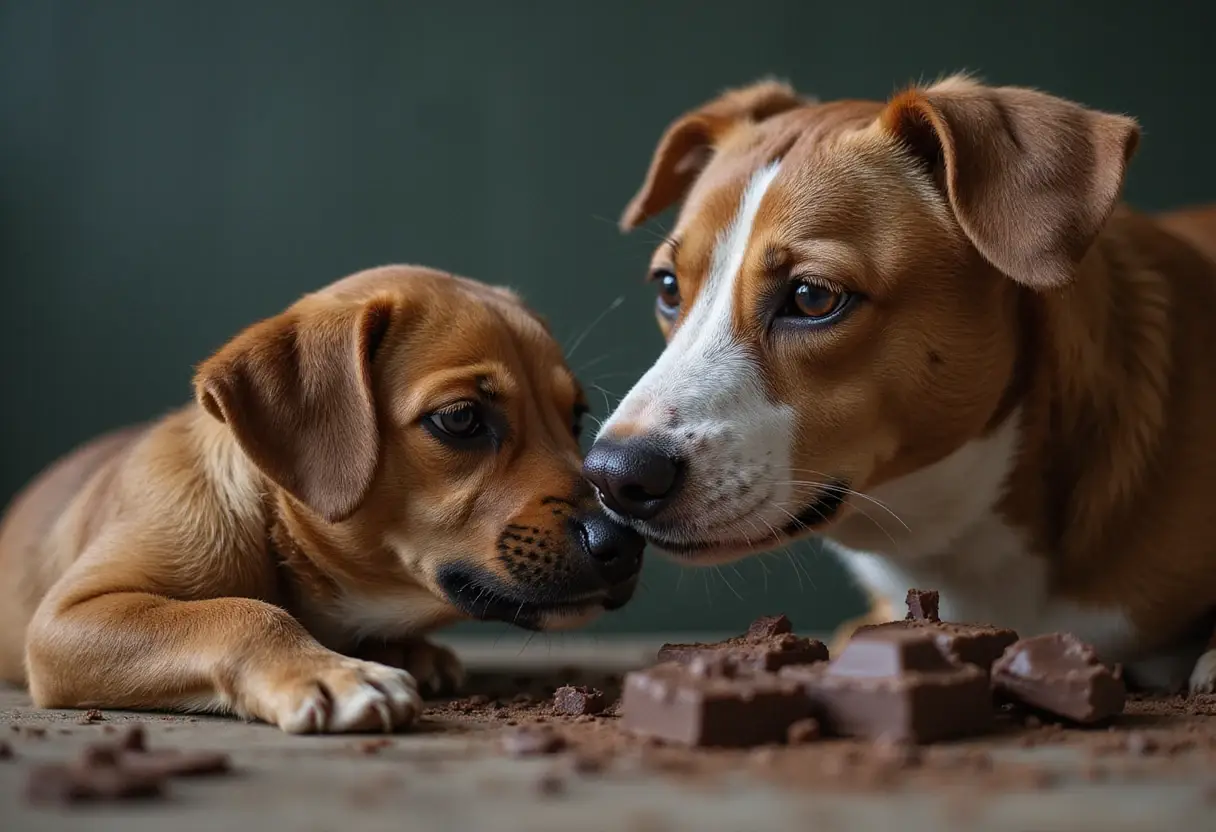
Unattended candy carries two distinct dangers, according to the AVMA. Chocolate is the well-known toxin, but treats made with the sugar-free sweetener xylitol can also harm pets. Xylitol appears widely in sugar-free gum and other confections within reach of a candy bowl.
Quammen told owners to contact their veterinarian or a poison control line immediately if a pet eats either type of candy. Time matters in toxicosis cases, and professional guidance beats observation at home.
Wrappers add a third hazard. "Our pets don't really usually unwrap it. They also eat the wrappers, and those can be an issue as well if they get swallowed," Quammen said. Ingested foil or plastic can cause gastrointestinal obstruction, which may require intervention beyond what an owner can see at home.
Are costumes safe for pets?
Best Friends Animal Society issued a checklist for owners who dress up their pets. Its guidance is practical rather than festive:
- Keep costumes comfortable
- Do not put pets in anything that restricts movement
- Make sure pets can see clearly
- Remove any small parts that can be chewed off and swallowed
- If pets show signs of distress, opt for a festive bandana instead
The last point serves as the fallback for every category. A bandana delivers the holiday look without the fit, vision and ingestion risks that a full costume carries. Costume safety comes down to movement, sight and swallowable parts.
What is the single best preparation?
Quammen framed preparation as the top tip of the season. "A little bit of preparation can really keep Halloween super fun and keep your pet out of the ER," she said.
For clinics, the October spike means front-desk readiness for chocolate and xylitol ingestion calls, wrapper obstructions and escaped-patient identification checks. For owners, it means securing candy, securing the pet and securing identification before the first knock on the door. Clinics that remind clients of these steps in advance can expect fewer Halloween emergencies walking through the door.
Source: Google News: Veterinary medicine
Daniel Okafor
Show full bio
News editor covering technology and product news in Small- and large-animal clinical practice at The Vet Scope.
Related articles
Chocolate Toxicosis in Dogs: Halloween Raises Methylxanthine Risk
New Veterinarians Urged to Tackle Animal-Human Diseases
Animal Health Officials: Producers and Pet Owners Hold the Line Against Screwworm
Backyard Chickens in the Spotlight: German Study Probes Zoonotic Risk
Decoding Canine Fear: What Albuquerque Vets Are Reading