Rowan vet training prioritizes critical thinking for unfamiliar species
A Rowan University feature frames the institution's veterinary training around critical thinking and adaptability, positioning graduates to reason through unfamiliar species encounters rather than rely on species-specific recall.
Updated
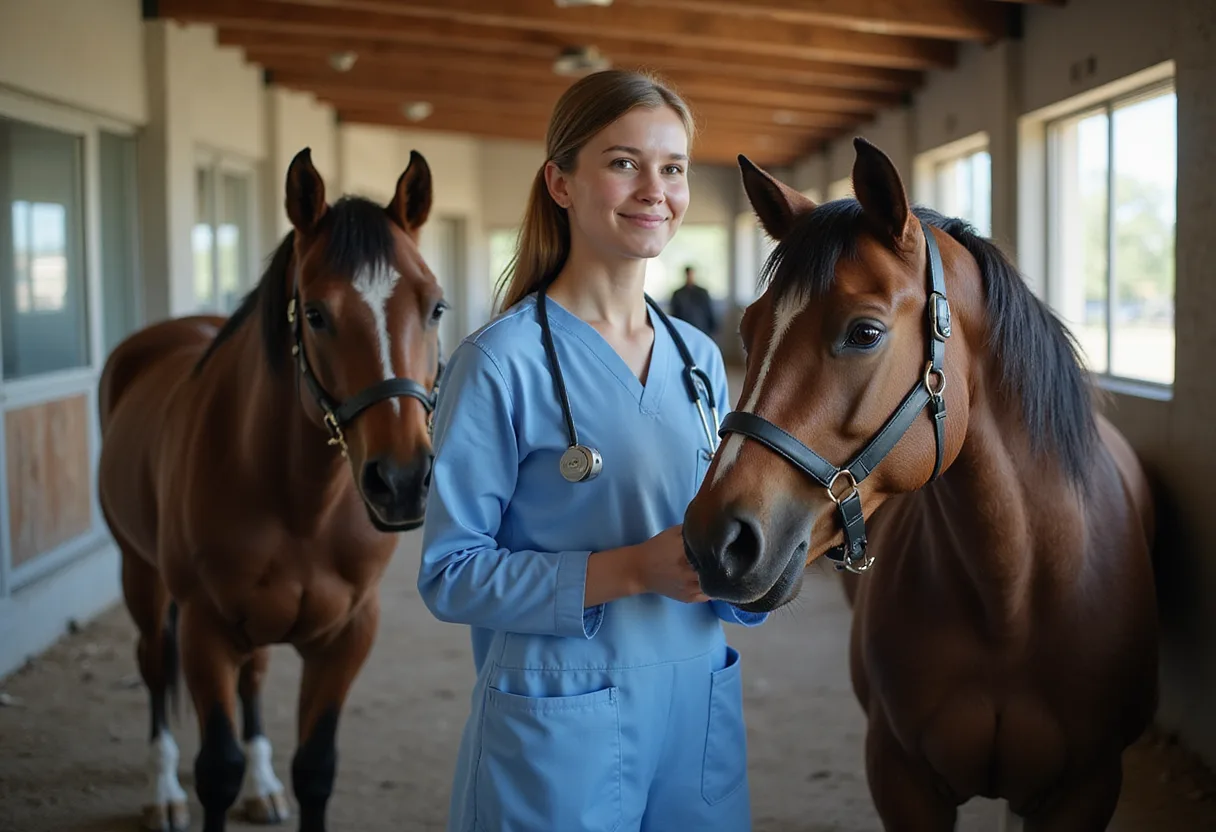
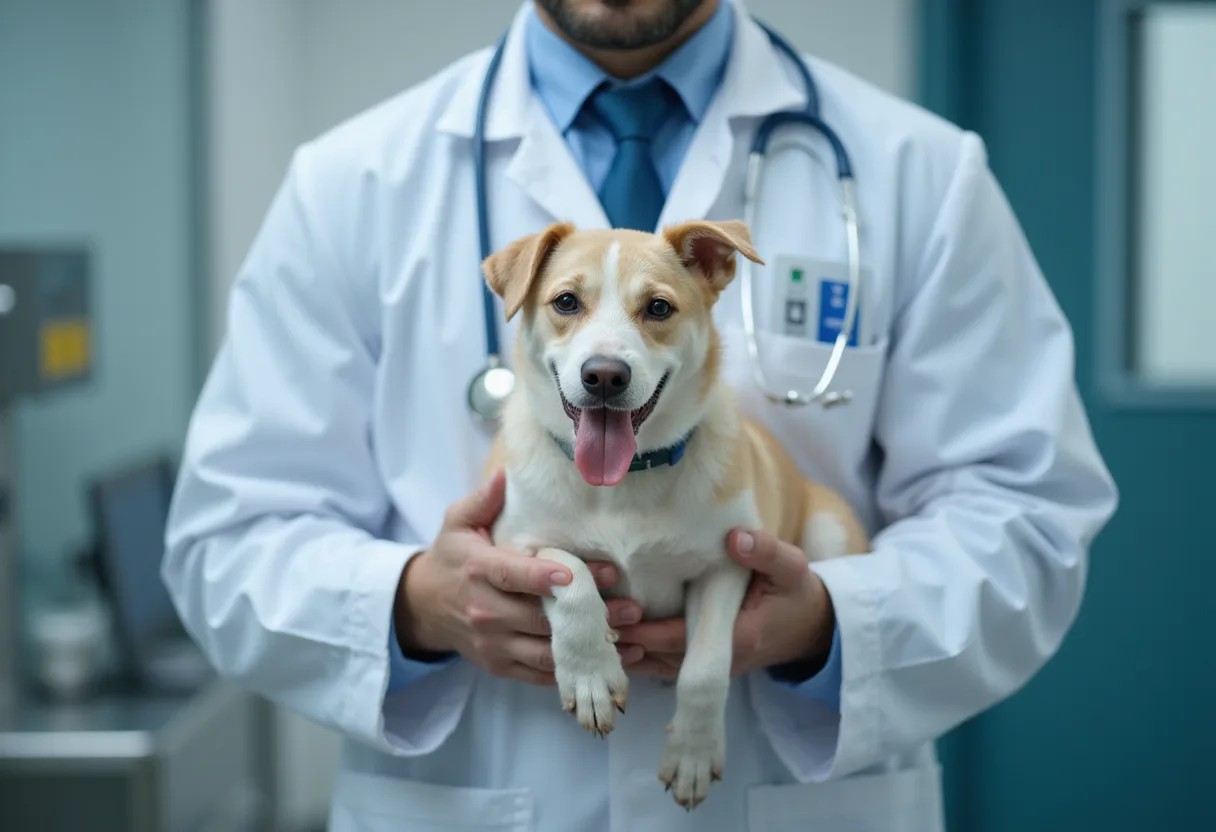
Photo: AI-generated
A Rowan University feature published in the institution's news outlet frames veterinary training around preparing students for cases they have never seen, with the stated emphasis on critical thinking over species-specific memorization.
The article, titled "Teaching critical thinkers: How Rowan prepares veterinarians to care for species they've never seen before," positions the program as a response to a recurring problem in veterinary education: graduates entering practice with species-specific holes in their training.
What the headline tells us
The phrasing "critical thinkers" — placed ahead of any species-specific reference — signals an educational philosophy that prioritizes diagnostic reasoning over rote recall. For veterinary educators, that distinction carries weight: companion-animal caseloads dominate much of private practice, yet mixed-animal and food-animal workforces have continued to thin nationwide, leaving new graduates to cover broader species ranges than their curricula may have addressed.
A curriculum built around adaptability addresses a workforce concern that surfaces repeatedly in graduate employment surveys. New veterinarians frequently encounter species outside their training depth during their first years in practice. Mixed-animal practitioners, emergency clinicians, and public-sector veterinarians working with wildlife all treat unfamiliar species as a routine part of their work.
The approach implied by the headline favors transferable clinical reasoning: principles of pharmacology, anatomy, and physiology that apply across taxa, paired with a stated goal of producing graduates who can reason through unfamiliar cases rather than rely on memorized species-specific protocols.
Implications for the exam table and the barn
For employers hiring new graduates, an adaptability-focused curriculum shifts what to weigh at the interview. Diagnostic reasoning, case-based learning experience, and demonstrated comfort in clinical uncertainty carry weight alongside species-specific rotations.
For students, the trade-off is real. Generalist training broadens career flexibility but typically requires additional preparation for any narrow specialty track a graduate later pursues. Continuing-education providers and specialty colleges increasingly fill this gap with species-specific short courses, residencies, and certifications.
The published framing also carries direct implications for food-animal and public-practice workforces. Rural mixed-animal practices often require competence across cattle, small ruminants, equine, and companion species in a single workday — a breadth of exposure that traditional species-rotated curricula may not provide. Programs producing adaptable graduates could better serve those settings.
For companion-animal practice, the impact is more diffuse. Graduates still need species-specific surgical and internal-medicine training for dogs and cats, the bulk of small-animal caseloads. The adaptability framing does not replace that foundation; it layers on top of it.
What remains undisclosed
The Rowan Today feature, as referenced by the headline alone, does not disclose enrollment figures, faculty counts, or curriculum-hour breakdowns in the available excerpt. The source does not specify which species categories the program prioritizes, whether it operates an accredited DVM program or a pre-veterinary track, or how students access diverse live-animal handling experiences.
The article text was not accessible beyond the headline at the time of this report. Readers seeking specifics on accreditation status, program length, or curricular hours should consult the university directly.
Forward look
Whether Rowan's adaptability-first model produces measurable workforce shifts will depend on outcomes data the program has not yet released through this feature. New veterinary programs typically require at least four years before the first graduating cohort enters practice; longitudinal tracking of those graduates' species breadth, geographic distribution, and career longevity will determine whether the critical-thinking framing translates into measurable workforce gains across companion-animal, food-animal, and public-practice sectors.
Source: Google News: Veterinary medicine
Amara Osei
Show full bio
Correspondent covering companies, deals and strategy in Small- and large-animal clinical practice at The Vet Scope.
Related articles
Rowan Veterinary Students Turn Summer Research Into Patient Care
High School Students Trained to Fill Rural Veterinarian Gaps
CSU Opens Expanded Primary Care Suite for Veterinary Training
Lyon College Names New Dean for Its School of Veterinary Medicine
Practice in the pasture: UCalgary's veterinary faculty evolves