Reauthorized Tick Act Pushes U.S. Cattle Biosecurity Through 2030
Signed September 30, 2026, S. 2398 reauthorizes federal tick programs through 2030, elevating vector control as a biosecurity priority for U.S. cattle operations facing theileriosis and alpha-gal syndrome.
Updated
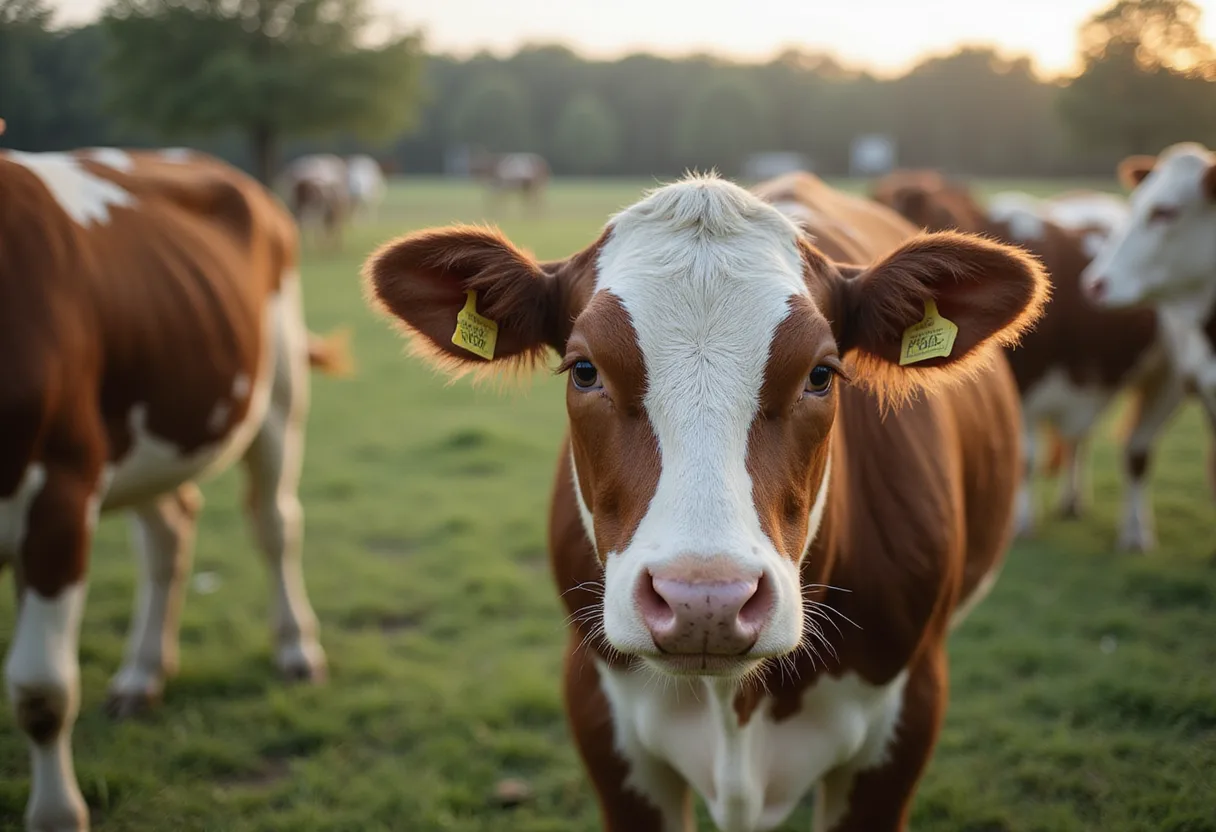
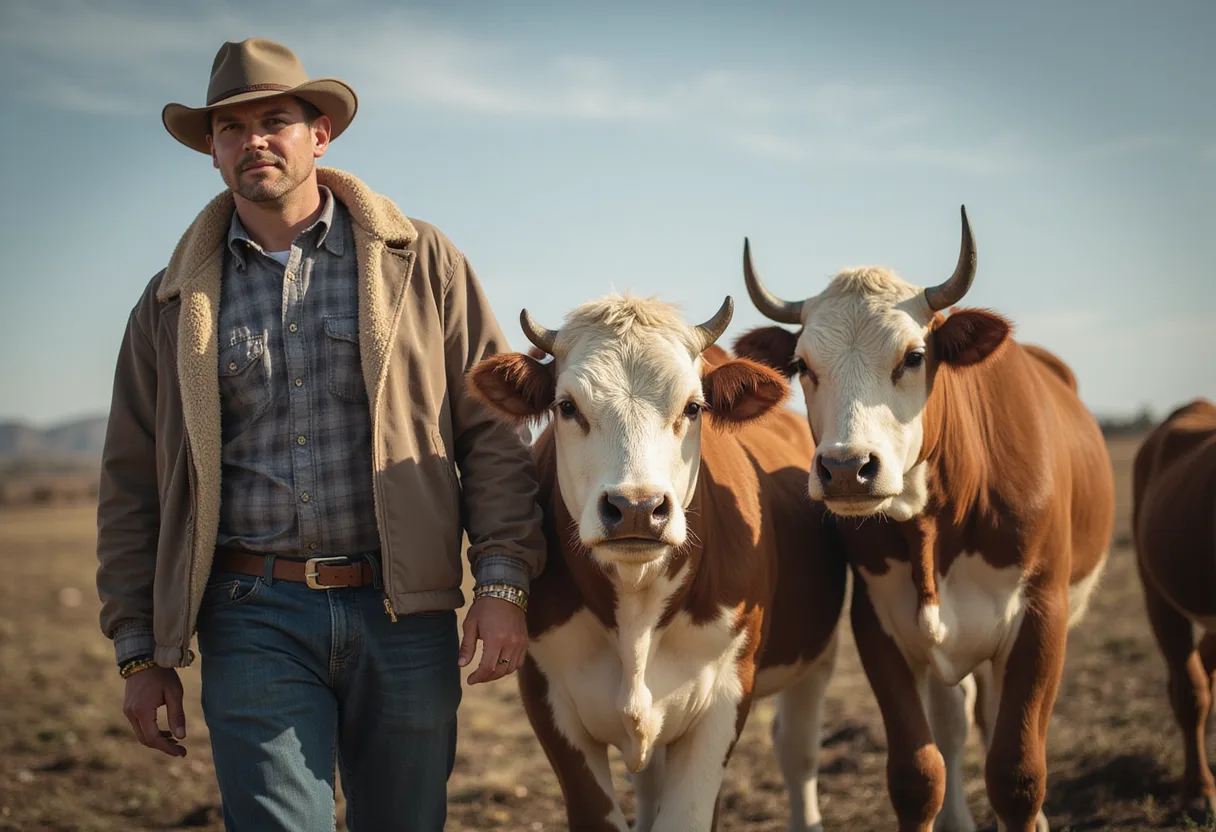
Photo: AI-generated
The Kay Hagan Tick Reauthorization Act received President Donald Trump's signature on September 30, 2026, extending federal vector-borne disease research and surveillance through 2030 while a parallel White House directive pushes USDA, EPA and HHS toward new tick and mosquito control technologies. The combined actions reposition tick control from a seasonal chore into a structural biosecurity concern for U.S. cattle operations.
What does S. 2398 change?
The bill reauthorizes the National Strategy and Regional Centers of Excellence in Vector-Borne Diseases under the Public Health Service Act. Federal surveillance, research and coordination now run through 2030.
The White House executive action broadens the picture. It names theileriosis, alpha-gal syndrome, Lyme disease, Rocky Mountain spotted fever and babesiosis as conditions of concern and orders the three agencies to build a regulatory framework for advanced control technologies, including non-chemical and technology-enabled alternatives.
For livestock veterinarians and cow-calf producers, the practical lift is better regional mapping of where tick populations and the pathogens they carry move into cattle country. Knowing where a vector expands now matters nearly as much as knowing which treatment works after exposure.
Why does the Asian longhorned tick alarm cow-calf operators?
Haemaphysalis longicornis, the Asian longhorned tick, drives theileriosis in cattle. Infected animals develop severe anemia, weakness and reproductive problems, and infections can kill. Pasture exposure makes movement controls and barn-side biosecurity largely irrelevant.
Cow-calf operations in affected regions now need active surveillance and prevention woven into herd-health plans, not appended after outbreaks. Current control still leans on acaricides, insecticide-treated ear tags and backrubbers. Resistance, efficacy drift and environmental management questions cloud that toolkit.
Any replacement or additive must clear regulatory review, then prove itself on commercial pasture at scale without pushing input costs past the point of adoption.
How does alpha-gal syndrome reach the beef sector?
Alpha-gal syndrome ties mainly to bites from Amblyomma americanum, the lone star tick. Cattle do not contract the human allergy, but farmworkers and consumers can. A condition that limits some red-meat eaters represents a potential demand-side concern for beef, separate from the direct animal-health losses ticks already inflict.
That split defines the producer calculus across the supply chain:
- Food-animal risk: theileriosis and babesiosis hit cattle directly, raising mortality and reproductive loss.
- Public-health risk: alpha-gal syndrome and Rocky Mountain spotted fever hit people, including outdoor workers and rural consumers.
- Cross-cutting risk: surveillance gaps cut across both silos, since the same tick species can move pathogens through farms and into towns.
What changes at the ranch gate?
Three pressures now stack on cattle operations:
- Direct animal-health losses from theileriosis and babesiosis.
- Worker exposure to alpha-gal-triggering lone star ticks.
- Consumer demand shaped by ongoing alpha-gal messaging.
Weather, feed, labor and commodity prices will continue to dominate ranch budgets, but biological threats now belong firmly on the risk ledger.
Regional Centers of Excellence will keep generating localized risk data through 2030. Federal coordination with universities, state authorities and livestock veterinarians should sharpen early-warning systems. Producers will judge success by whether new tools deliver measurable disease pressure reductions at an economically viable cost.
As the regulatory framework takes shape over the next several years, the cattle industry will be measuring whether Washington's renewed focus translates into practical tools capable of protecting herds, workers and the long-term resilience of U.S. beef production.
Original: localhost
Daniel Okafor
Show full bio
News editor covering technology and product news in Small- and large-animal clinical practice at The Vet Scope.
Related articles
Ohio Posts 2026 Lyme Disease Update for Healthcare Providers
Ticks Are Increasingly Threatening Ranchers' Health and Livelihoods
Blacklegged Ticks Are Expanding Southward, Widening Lyme Risk Maps
Global leaders commit to stronger animal health preparedness
New Cattle Vaccine Targets Screwworm as USDA Expands Defenses