Purdue and Elanco Break Ground on One Health Research Institute
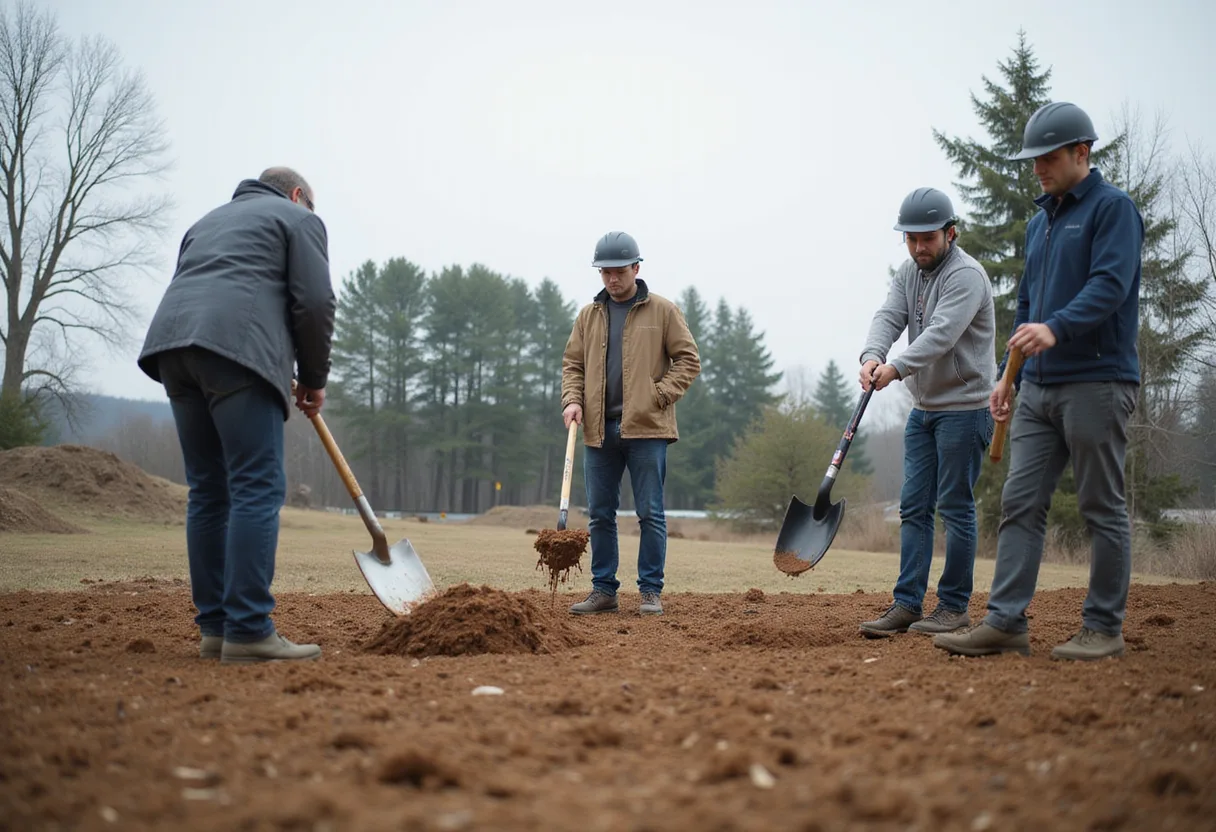
Purdue University and Elanco Animal Health have broken ground on a One Health Research Institute within the One Health Innovation District, anchoring a facility that bridges veterinary, human, and environmental health research.
Updated
Purdue University and Elanco Animal Health will anchor a new One Health Research Institute within the One Health Innovation District, according to a project announcement.
The groundbreaking marks the formal start of construction on a facility designed to bring veterinary, human, and environmental health research under a single institutional roof. The announcement names the Indiana-based land-grant university and the Indianapolis-headquartered animal health company as anchor partners, but does not specify a completion date, project budget, or facility square footage in the materials reviewed.
What is the One Health Innovation District?
The One Health Innovation District is a research campus built around the principle that animal, human, and ecosystem health are interconnected. The One Health framework, adopted by the AVMA, CDC, and USDA, drives research priorities ranging from zoonotic disease surveillance to antimicrobial stewardship.
For practicing veterinarians, One Health institutes have practical downstream effects. They produce the diagnostic tools, vaccines, and epidemiological data that reach clinics and farms. A facility co-anchored by a university veterinary program and a major animal health manufacturer signals a pipeline aimed at translating laboratory findings into commercial products and field protocols.
Why does a Purdue–Elanco partnership matter?
Purdue operates a College of Veterinary Medicine with a teaching hospital and diagnostic laboratory. Elanco develops and markets pharmaceuticals and vaccines for companion and food-producing animals. Co-locating research talent with a manufacturer compresses the timeline between bench discovery and a product that reaches an FDA CVM-regulated marketplace.
The arrangement also gives Elanco direct access to Purdue's clinical caseload and agricultural research infrastructure. For DVMs and food-animal practitioners, that proximity typically accelerates clinical trials for bovine, swine, and poultry interventions, the species categories in which Elanco holds significant market share in parasiticides, vaccines, and feed additives.
What stays unclear?
The announcement does not specify:
- Construction timeline or opening year
- Total investment or funding sources
- Number of faculty, staff, or research stations planned
- Whether the institute will house companion-animal clinical trials
- Whether the research will include USDA APHIS select agent work or BSL-3 capability
Veterinary professionals monitoring the project should expect further details in subsequent announcements from Purdue's Office of Research and from Elanco's investor relations channels.
What changes at the exam table today?
Nothing immediate. Until the institute opens and publishes, no new clinical guidance, label change, or product launch flows from the project. Practitioners should treat the groundbreaking as a signal of where veterinary research investment is heading, not as a directive to alter current protocols.
The medium-term question for DVMs is whether the institute's output will reach companion animal practice or concentrate on food-animal productivity and zoonotic disease, a split that historically determines whether new graduates see new tools in the clinic or only in the barn.
Source: Google News: Animal health industry
Daniel Okafor
Show full bio
News editor covering technology and product news in Small- and large-animal clinical practice at The Vet Scope.
Related articles
Purdue, Elanco Break Ground on One Health Research Institute
Purdue and Elanco break ground on One Health Research Institute
Purdue Veterinary College Expansion Targets Workforce Pipeline
Elanco Puts $25 Million Behind Animal Health Innovation
Penn State and Pennsylvania Agriculture Break Ground on Diagnostic Lab Expansion