Largest Livestock Crossing Reopens After Screwworm Outbreak
Screwworm outbreak closed the world's largest international livestock crossing, NPR reports; the crossing has now reopened, with food-animal veterinary implications for cattle movement and larval surveillance.
Updated
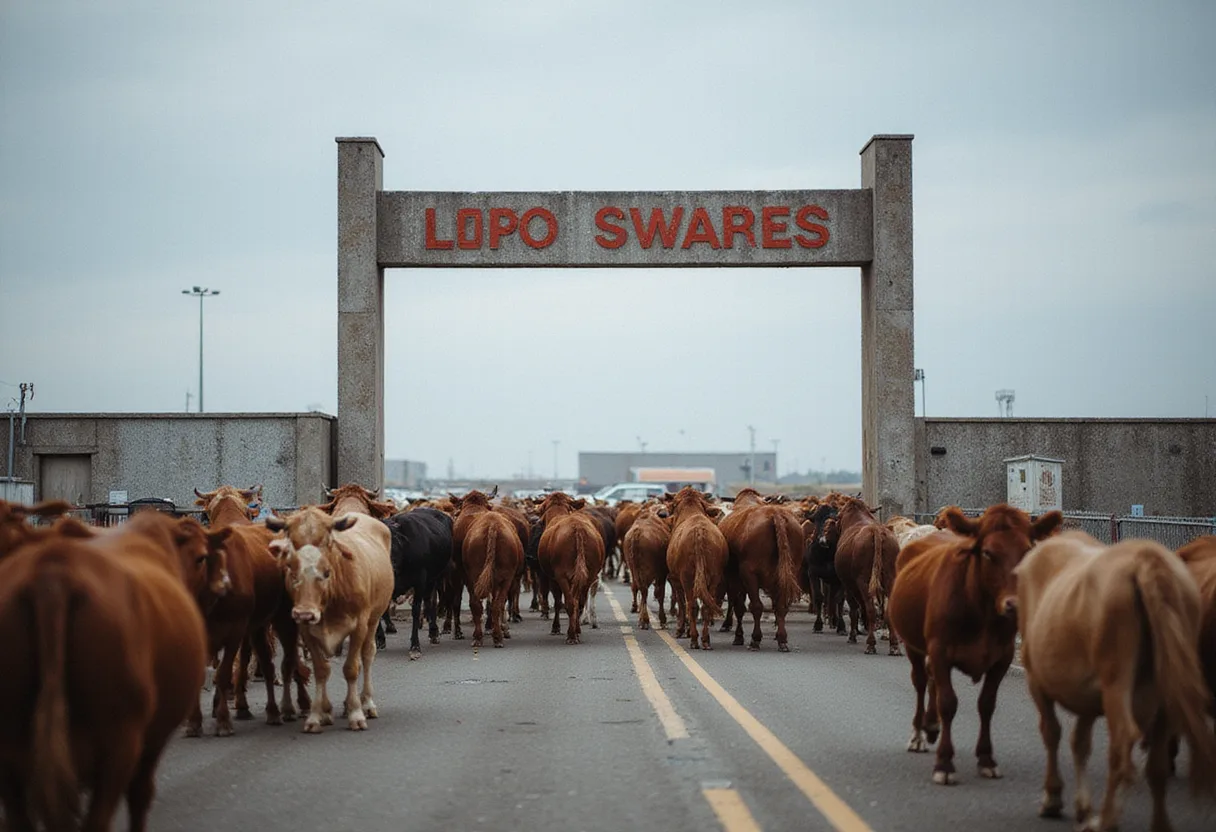
A screwworm outbreak closed the world's largest international livestock crossing — and that crossing has now reopened, according to an NPR report.
What does the reopening signal?
The headline carries the arc: outbreak, closure, resumption. The report itself does not name the crossing, the dates of the closure window, or the affected species mix. Even so, the magnitude is plain.
International livestock crossings move several million head during peak season. A screwworm outbreak halts that trade on a clinician's word — usually one imported case confirmed at receiving inspection.
Clearance means the affected herd, region, or holding facility passed quarantine.
How does screwworm damage the animal?
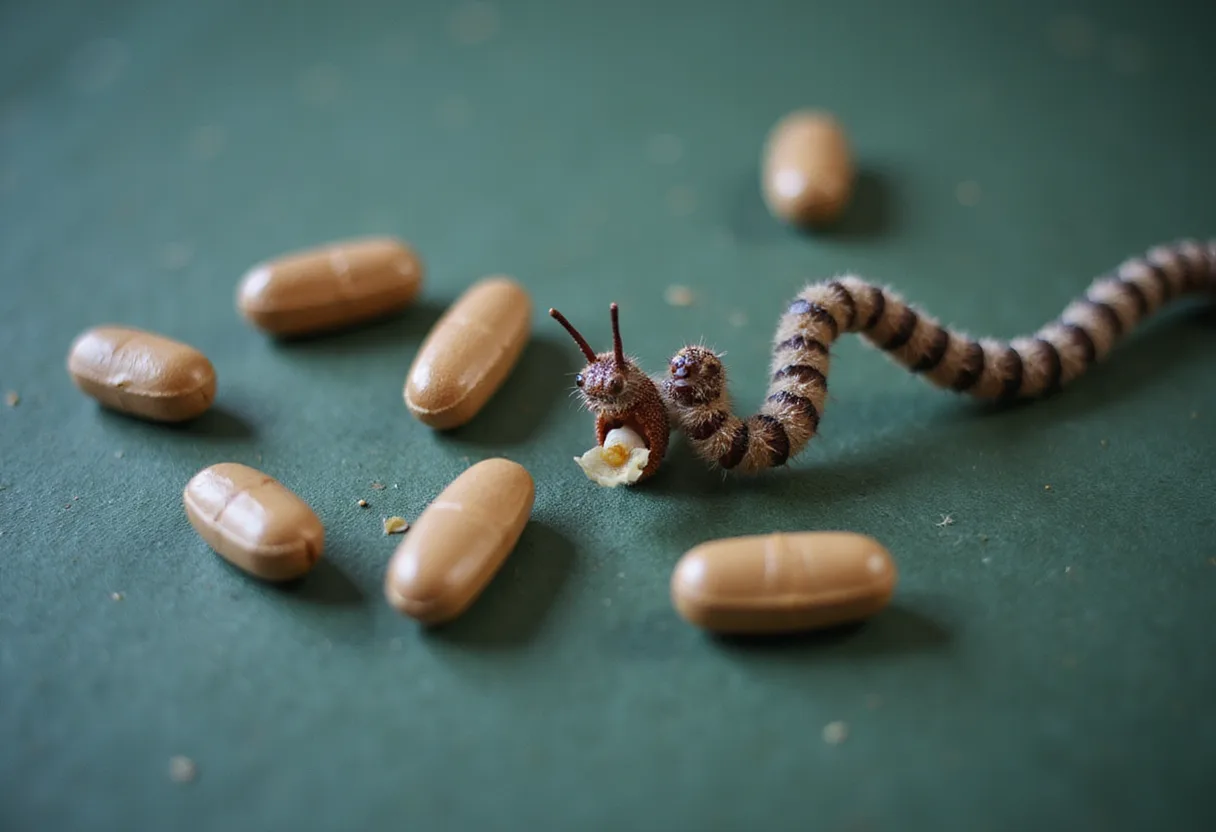
New World screwworm (Cochliomyia hominivorax) is a blowfly. Females oviposit in open wounds or mucous membranes of warm-blooded animals.
Larvae burrow into living tissue and feed. They enlarge the wound as they grow. Infested lesions attract secondary flies and bacterial contamination.
Untreated cases kill calves, lambs, and small ruminants within roughly a week. Adult cattle survive longer but lose body condition fast.
The parasite does the damage. The fly carries it.
Why did the closure happen?
The United States declared screwworm eradicated in 1966. Mexico followed in 1991. Both leaned on sterile-insect releases — irradiated males flood wild populations — to maintain the barrier.
The crossing closure shows that barrier failed at least once. Sterile-fly dispersion and import inspection together hold the line at the Isthmus of Tehuantepec, the geographic choke point that keeps Cochliomyia out of North America.
What changes for food-animal practice?
Veterinarians in cow-calf and feedlot medicine will see three shifts.
First, increased scrutiny on shipping-fever cases. Any wound on imported stocker cattle now gets a screwworm rule-out before treatment.
Second, a renewed mandate for pour-on organophosphates and macrocyclic lactones. Ivermectin and doramectin remain workhorse products.
Third, retraining of pen checkers. The classic lesion is small, circular, blood-stained, and moist — with a serous discharge that marks active infestation.
Crossing points are not just regulatory checkpoints. They serve as the first clinical exam for many imported cattle.
What are the public-health stakes?
Screwworm is a zoonosis. Human cases occur when flies oviposit in open or surgical wounds. Rural producers, slaughterhouse workers, and field veterinarians face the highest occupational exposure.
A reopened crossing does not change human risk inside the destination country. It does reset joint surveillance between Mexico, the United States, and Central American sterile-fly programs.
Which agencies hold the regulatory line?
USDA APHIS operates the sterile-fly facility in Metapa, Chiapas. The agency disperses flies by air across the isthmus barrier. The FDA Center for Veterinary Medicine regulates the approved larvicides and wound treatments.
Neither agency issued public comment in the NPR notice.
What should clinicians do now?
- Re-examine biosecurity at receiving yards and processing barns.
- Confirm ivermectin and doramectin product availability for wound prophylaxis.
- Update isolation protocols for any imported animal with moist, foul-smelling lesions.
- Report suspected larvae through state animal health channels within 24 hours.
The reopening marks a regulatory milestone. It is not an eradication declaration. Producers and practitioners should expect targeted inspections, focused surveillance, and continued sterile-fly dispersal as the frontline defense.
Source: Google News: Livestock health
Grace Kim
Show full bio
Staff writer covering regulation, policy and their impact on Small- and large-animal clinical practice at The Vet Scope.
Related articles
US Reopens Another Port to Mexican Cattle as Screwworm Cases Persist Nearby
Indiana BOAH Tightens Animal Movement Over Screwworm Risk
New World Screwworm Advances North in Mexico, Texas On Alert
FDA widens screwworm drug list, adding generic pet options
Texas Confirms Additional New World Screwworm Cases in Livestock