First Human Shamonda Virus Case in France: No Food Risk Found
France confirmed the first human Shamonda virus case in a patient who died in Lyon; no foodborne transmission evidence exists and U.S. livestock remain unaffected.
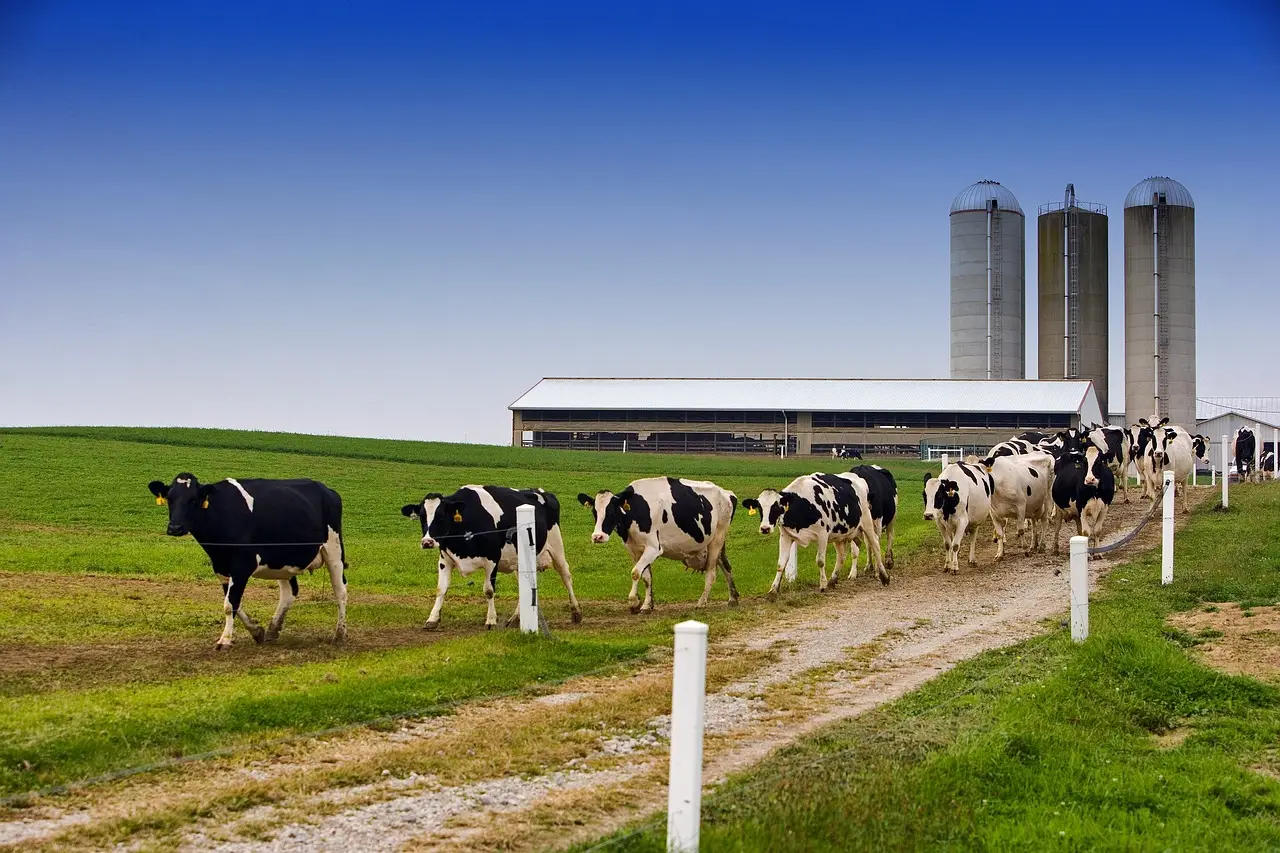
Photo: 12019 / pixabay
France reported the first known human case of Shamonda virus on October 22, and the patient — a severely immunocompromised man hospitalized in Lyon — died in early October, according to France's Ministry of Agriculture, Agri-Food and Food Sovereignty. Officials have not established whether the virus caused the death. They suspect the infection followed a midge bite in eastern France. The investigation is ongoing.
For veterinarians and food-animal producers, the case lands against a backdrop of active viral circulation in western European livestock. For consumers, the immediate question is simpler: does this change anything about meat, milk, or cheese? French health officials say no broader public health threat exists. "Based on current knowledge about this virus, no health risk to the general population has been identified to date," they wrote in a press release issued Thursday.
What do we know about the virus in animals?
Shamonda virus primarily affects cattle, sheep, goats, and horses, according to the World Health Organization. It belongs near Schmallenberg virus, which causes congenital malformations and stillbirths in ruminants. Researchers first isolated Shamonda from cattle in Nigeria in 1965. Since then, animal detections have occurred elsewhere in Africa and in Japan.
The European chapter is recent and fast-moving. Researchers documented the virus's emergence in European cattle in 2026. An early-release report in Emerging Infectious Diseases, scheduled for the journal's December issue, describes illness in dairy herds in southern Germany and Switzerland beginning in June. Clinical signs included reduced milk production, fever, and diarrhea. To date, WHO reports the virus in dairy cows and horses in western Europe, including Austria, Belgium, and France.
Transmission runs through infected midges, says Amesh A. Adalja, MD, an infectious disease expert and senior scholar at the Johns Hopkins Center for Health Security. Direct animal-to-animal spread does not occur, with one exception: during pregnancy, an infected dam can pass the virus to its fetus, per the WHO. That vertical route is what makes the Schmallenberg comparison clinically relevant for herd reproductive monitoring.
Can Shamonda virus spread through meat, milk, or cheese?
No. The single human case does not establish foodborne transmission, and decades of animal circulation have produced no documented foodborne human infections.
"Despite decades of documented circulation in animals, researchers have not established a history of foodborne human infections," says Wade Syers, a doctor of social science and extension specialist for food safety at Michigan State University. "There is currently no evidence that the virus can be transmitted through meat, milk, cheese, or other dairy products. The virus is typically transmitted through the bites of infected insects."
Darin Detwiler, PhD, a professor at Northeastern University and author of Food Safety: Past, Present, and Predictions, frames the horizon cautiously. "The recent human infection reported in France certainly raises questions that deserve further investigation," he says. "However, that case does not establish that the virus can spread through food."
"We have more than 60 years of history with this virus, and that history helps put the current headlines into perspective," Detwiler adds. "Shamonda virus is certainly worth watching, particularly given the recent developments in Europe and the reported human infection in France."
What changes at the exam table and in the barn?
For clinicians, three points stand out:
- Species and geography: dairy cattle and horses in Austria, Belgium, France, Germany, and Switzerland; sheep and goats are susceptible hosts historically.
- Herd-level signs: reduced milk production, fever, and diarrhea, documented from June onward in southern German and Swiss dairy herds.
- Reproductive risk: given the Schmallenberg relationship, fetal infection and congenital outcomes warrant attention in affected regions.
No vaccine or treatment details appear in the source material, and no regulatory action by FDA CVM, EMA, USDA, or European authorities has been announced in connection with this case.
Should consumers change how they shop, cook, or eat?
The experts interviewed say no. "Based on the evidence currently available, there is no scientific justification for Shamonda-specific changes to how consumers purchase, prepare, or consume food," Detwiler says.
He and Syers both emphasize standard food safety practices — choosing pasteurized dairy, cooking meat to recommended temperatures, preventing cross-contamination, and maintaining refrigeration. "These practices protect against well-established foodborne pathogens," Detwiler says, "but we should not suggest that consumers need to take additional precautions specifically because of Shamonda virus." Syers agrees: "People should continue following normal food safety practices."
How are officials monitoring the outbreak?
Public health authorities in France and neighboring countries are investigating whether other people were infected and are continuing to monitor livestock. Serology work is the next step.
"There will be studies of farmers, veterinarians, and others in the area of the case to see if any other individuals have antibody evidence of infection," Adalja says. "Germany is doing a blood bank study to see if any donations have evidence of infection."
For the United States, the picture is blank. The experts interviewed say there is no evidence of a Shamonda outbreak affecting U.S. livestock or the domestic dairy supply, and the virus has not been detected in American animals or humans.
"Please remember: An emerging animal health threat is not automatically an emerging foodborne threat," Detwiler says. "The recent developments deserve scientific attention, but they do not currently justify changes in consumer behavior."
Watch for the December Emerging Infectious Diseases report and the pending French and German seroprevalence studies, which should clarify how widely the virus has already moved through livestock workers, donors, and the herds they tend.
Source: Google News: Livestock health
Grace Kim
Show full bio
Staff writer covering regulation, policy and their impact on Small- and large-animal clinical practice at The Vet Scope.
Related articles
Foot-and-Mouth Disease Detected on Kalala Island in Namibia's Zambezi Region
Foot-and-Mouth Disease Reaches Five Farms as Officials Warn Against Easing Controls
Cyprus confirms BTV-4 in livestock as bluetongue detections continue
Odesa Region Restricts Livestock Grazing Over Romania Pox Outbreak
Q Fever and Rift Valley Fever Seroprevalence Study Published for Bangladesh Livestock