First Goose-Origin Duck Astrovirus Type 3 Strain Isolated
A Poultry Science study published 17 October 2026 reports the first isolation, identification and pathogenicity testing of a goose-origin duck astrovirus type 3 strain.
Updated
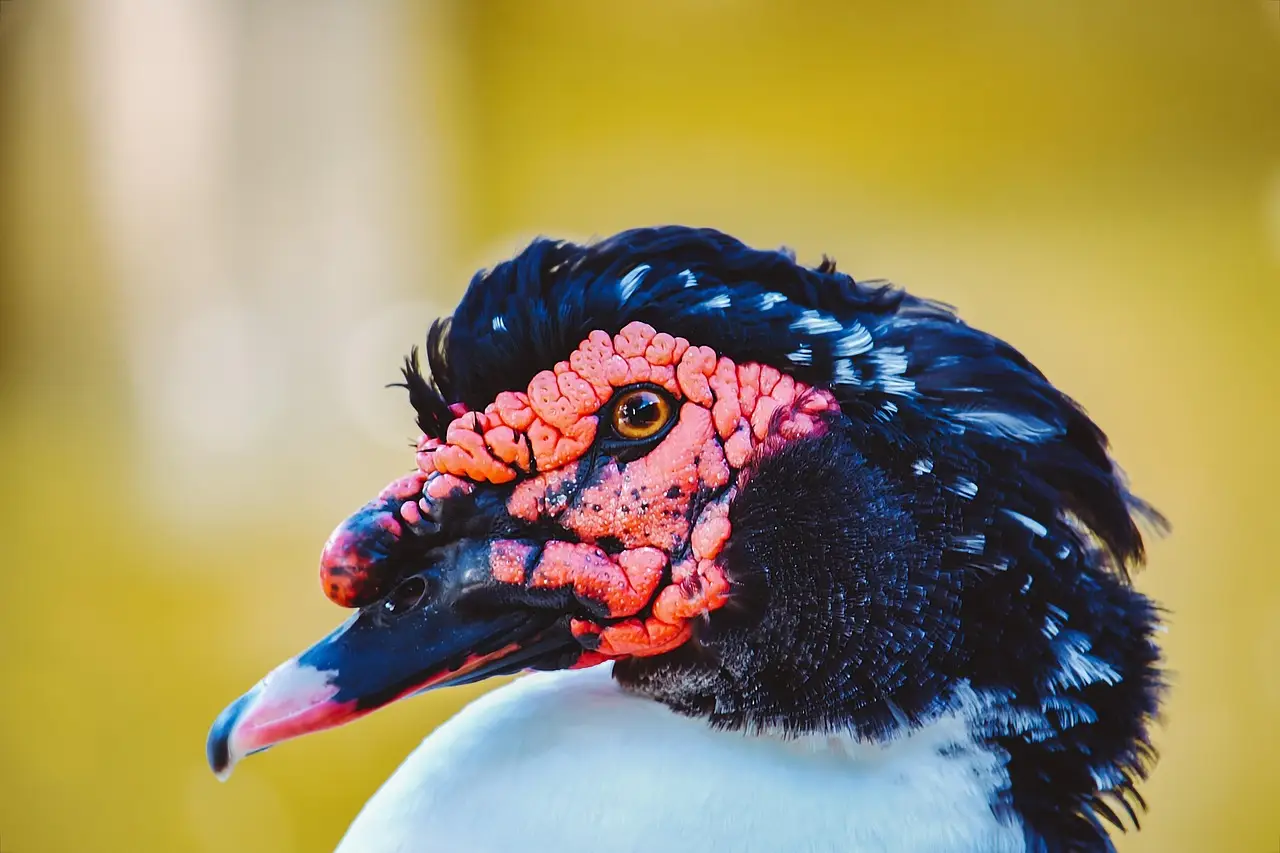
Photo: Chikilino / pixabay
Researchers have isolated, identified and characterized the pathogenicity of a goose-origin duck astrovirus type 3 (DAstV-3) strain for the first time, according to a study published online in Poultry Science on 17 October 2026.
The work, led by Yang Li of the Shandong-based research team, with co-authors Chengjie Cai, Wenxin Li, Yang Wang, Yingjie Feng, Huixin Zhu, Jinping Li, Guangyu Hou, Hualei Liu and Xiaohui Yu, marks the first documented isolation of a type 3 duck astrovirus recovered from geese — a finding that widens the known host range of the virus beyond ducks.
Why does host species matter for astroviruses?
Astroviruses are small, single-stranded RNA viruses that infect multiple avian species, and cross-species transmission events complicate both diagnosis and control. Until this publication, duck astrovirus type 3 had been characterized principally in ducks. The isolation of a goose-origin strain establishes that geese can carry the virus and, per the study's pathogenicity testing, that the isolate can cause disease — a result directly relevant to mixed-waterfowl operations where ducks and geese share housing or water.
For poultry veterinarians, the practical implication sits at the level of differential diagnosis. In goslings or ducklings presenting with the clinical signs associated with astrovirus infection — growth depression and, in duck astrovirus type 1, fatal visceral urate deposition — a type 3 astrovirus should now sit on the list of candidate pathogens when geese are involved.
What did the study team actually do?
The paper's full title — "The First Isolation, Identification and Pathogenicity of a Goose-Origin Duck Astrovirus Type 3 Strain" — describes the three-step design: the researchers isolated the virus from goose samples, confirmed its identity through laboratory identification methods, and then tested its pathogenicity to demonstrate that the isolate causes disease rather than merely persisting as a passenger virus.
The authors report this as the first such isolation from geese, which positions the study as a foundational reference point for subsequent epidemiological work on DAstV-3 distribution in waterfowl populations.
What changes at the flock level?
For food-animal and commercial waterfowl producers, the study's significance is surveillance-oriented. A confirmed goose-origin DAstV-3 isolate gives diagnostic laboratories a reference strain for assay validation, and it gives epidemiologists evidence that the virus circulates across species boundaries within Anatidae and their relatives.
No vaccine against DAstV-3 is referenced in the publication, and no regulatory agency — whether the FDA Center for Veterinary Medicine, the USDA, or an international counterpart — has a licensed DAstV-3 product on record tied to this finding. Control measures therefore remain diagnostic and biosecurity-based for now: separation of duck and goose flocks and prompt laboratory workup of unexplained growth depression or mortality in young waterfowl.
There are no direct companion-animal or human public-health implications raised by this publication; the study addresses commercial poultry health.
The publication, dated 17 October 2026 in Poultry Science, now stands as the reference point for goose-origin DAstV-3, and follow-up epidemiological studies quantifying prevalence in geese and evaluating cross-species transmission routes are the logical next step the authors' isolation work enables.
Source: Poultry Science (Elsevier)
Nathan Brooks
Show full bio
Senior reporter covering companies, deals and strategy in Small- and large-animal clinical practice at The Vet Scope.
Related articles
Single gB Point Mutation Boosts Duck Plague Virus Fusion, Study Finds
UK Confirms First Bird Flu Outbreak of the Season
Recombinant HVT Vaccine Protects Chickens Against IBDV and H9N2
MSU Study Maps How Avian Flu Reaches Offspring Before and After Birth
Turkey coronavirus review maps transmission gaps for poultry vets