Fatal Mannheimia haemolytica Polyserositis Studied in Dutch Veal Calves
A case-control study published 16 October 2026 in Veterinary Microbiology examines fatal acute polyserositis caused by Mannheimia haemolytica in Dutch veal calves.
Updated
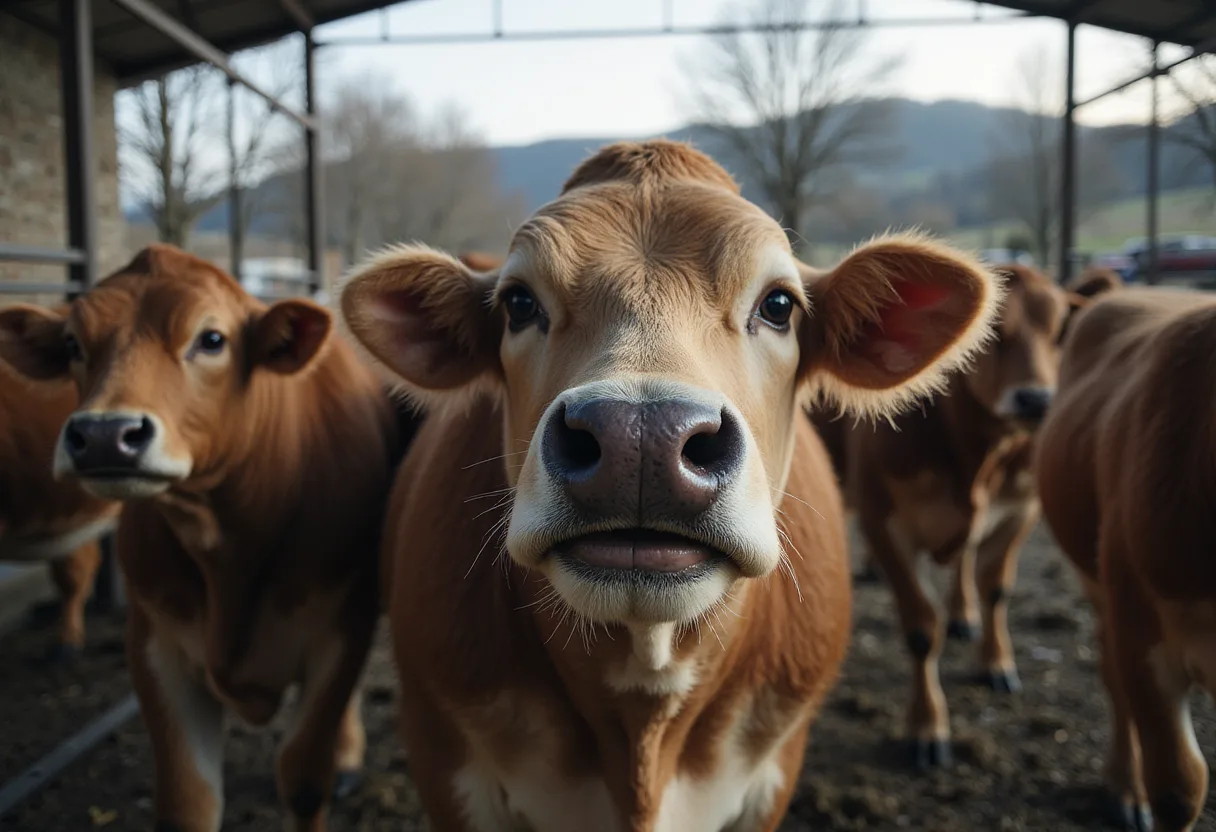
Photo: RitaE / pixabay
A case-control study on fatal acute polyserositis caused by Mannheimia haemolytica in Dutch veal calves went online on 16 October 2026 in the journal Veterinary Microbiology.
The paper carries eight authors: Jasper het Lam, Erik van Engelen, Anouk M.B. Veldhuis, Remco Dijkman, Thijs H.J. Derkman, Bart Pardon, Evert van Garderen and Ynte H. Schukken. The author group spans Dutch veterinary research institutions, and several names — Pardon in particular — are closely associated with veal calf respiratory and systemic disease research in the Netherlands.
What is the disease in question?
Mannheimia haemolytica is an established bacterial pathogen in cattle, best known as a primary agent of bovine respiratory disease. In veal calves, the bacterium has also been linked to severe systemic presentations. Acute polyserositis — inflammation of the membranes lining the chest and abdominal cavities — is a fatal outcome that producers and practitioners encounter as sudden death or rapid deterioration in apparently stable groups.
Because the study design is case-control, the authors compared calves that died of the condition against control animals, a format suited to identifying which exposures or herd-level factors separated affected from unaffected calves. The journal has published the full methodology, results and discussion online.
Why the veal sector is watching
Dutch veal production is one of the most intensively managed young-stock systems in Europe, and sudden-death syndromes carry direct economic weight at the pen level. A peer-reviewed case-control analysis of fatal M. haemolytica polyserositis gives practitioners a structured evidence base where previously only outbreak reports and field impressions existed.
The study touches three distinct audiences:
- Food-animal practitioners: the paper addresses diagnosis and epidemiology of a fatal condition in veal calves, a population in which preventive and treatment decisions are made at group level.
- Producers and herd advisors: understanding which factors distinguish affected cases can inform pen management, colostrum protocols and vaccination timing.
- Diagnostics: polyserositis cases require postmortem examination and bacterial culture to confirm the causative agent, and the study's case definition will interest veterinary diagnostic laboratories.
The full dataset, statistical analysis and the authors' conclusions appear in the paper itself, which is available through Veterinary Microbiology as of 16 October 2026. Practitioners working with Dutch veal integrations, and veterinarians in other European veal-producing regions facing similar sudden-death losses, will find in it a peer-reviewed reference point for one of the sector's most damaging bacterial syndromes.
Source: Veterinary Microbiology (Elsevier)
Amara Osei
Show full bio
Correspondent covering companies, deals and strategy in Small- and large-animal clinical practice at The Vet Scope.
Related articles
Bovine coronavirus shedding at commingling cuts daily gain in calves
Thoracic Ultrasound Assessed as CCPP Diagnostic in Sheep and Goats
New Veterinarians Urged to Tackle Animal-Human Diseases
Leptospirosis in Cattle: The Infection Producers Don't See
AAEP Publishes Revised Salmonellosis Disease Guidelines