Environmental Sampling Detected PRRSV a Negative Oral-Fluid Test Missed
DARO's environmental sampling detected PRRSV an average of 3.91 days before oral-fluid testing across 11 nursery rooms, and stopped a shipment a negative test had cleared.
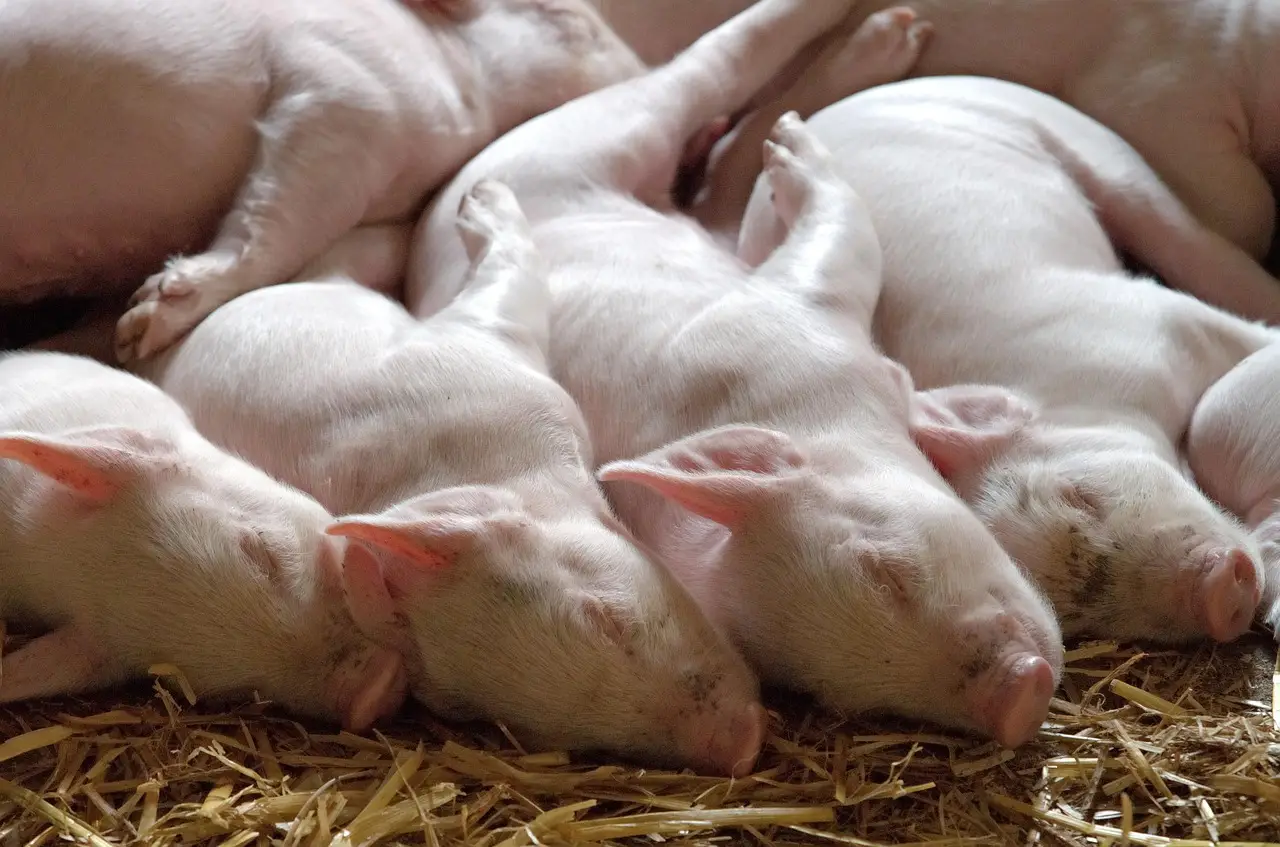
Photo: aitoff / pixabay
A negative oral-fluid test cleared a Kansas gilt development site for shipment — until a second surveillance method found porcine reproductive and respiratory syndrome virus the standard test had missed. Pipestone, the swine health company overseeing the movement, stopped the shipment and confirmed the infection through follow-up testing, interrupting what could have become a multi-farm disease transmission event before the animals left the site.
The detection came from DARO, a Lincoln, Nebraska-based animal health startup whose environmental sampling method detected PRRSV before oral-fluid testing in every one of 11 nursery rooms in a real-world comparison, averaging 3.91 days earlier. For swine practitioners, that margin falls squarely within the window when movement decisions get made. A positive result may trigger additional testing, closer monitoring or a delay in shipment.
How does the method work at the barn level?
Barn staff walk through pens wearing specialized shoe covers that collect environmental material. Samples go to DARO's Lincoln laboratory, where molecular testing methods screen for pathogens at the population level. The approach requires no individual animal handling and does not depend on pigs interacting with collection ropes, the way oral-fluid sampling does.
Founder Kristen Bernhard describes the method as a complement to — not a replacement for — blood and oral-fluid testing. Her question was whether producers could get a fuller picture of herd disease status early enough to change outcomes.
"I started thinking about livestock barns," Bernhard recalled. "Animals are constantly leaving biological information behind in their environment. What if we could use that information to understand what was happening across the whole population?"
What changed for the practice?
For operations that move animals routinely between sites, earlier information translates directly into options. "Even before you know exactly what action you're going to take, you have something you didn't have before: time," Bernhard said.
The Kansas case illustrates the stakes. The routine oral-fluid test returned a negative result that, on its own, would have allowed the planned shipment to proceed. The environmental sample said otherwise. Pipestone held the animals, ran confirmatory testing, and the infection was verified before any pigs traveled to other farms.
The Kansas gilt case and the 11-room nursery comparison represent the commercial evidence base so far. Regulatory status of the method with any federal agency is not addressed in the company's account.
How was the company built?
Bernhard's background is in human pathogen genomics, where population-level surveillance can reveal what individual testing misses. Translating that concept to livestock posed two problems: environmental samples are complex and demand highly sensitive laboratory methods, and the sampling process had to fit commercial barn workflows without adding a burdensome task for employees.
DARO's early development drew on approximately $500,000 in Nebraska Academic R&D funding across two phases, following a business plan developed in fall 2023. By early 2024, Bernhard was setting up the laboratory, purchasing equipment and running the experimental work to test reliability.
The turning point came with commercial swine operations, she said. The question shifted from "Can we make this work in the lab?" to "Can this actually help someone?" Early customers shaped the product, teaching her that even the most sensitive assay has limited value if collection is difficult, results are inconsistent or the information does not fit existing veterinary decisions.
"Probably one of the biggest lessons is that great science does not automatically equal a great product," Bernhard said.
DARO also grew through The Combine, an agricultural entrepreneurship initiative powered by Invest Nebraska. Josh DeMers, then the program's director, advised Bernhard and eventually joined as co-founder and chief operating officer. "I believed in what she was building, and I wanted to help build it with her," DeMers said. The company has since graduated from The Combine's incubator.
What comes next?
Bernhard credits Nebraska with keeping the company close to the industry it serves. "We're building an animal-health company in a place where agriculture isn't theoretical," she said. "You can sit across the table from producers and veterinarians who live these problems every day."
Feedback from commercial operations continues to drive improvements in laboratory processes, quality systems, reporting and customer experience as DARO prepares to serve more producers. Bernhard frames the goal as making routine, population-level surveillance a practical part of livestock disease management — recognizing changes before enough evidence accumulates to suspect a problem. "The early version of DARO was about proving that an idea could work," she said. "Now we're trying to build something that can actually change how an industry sees disease."
Source: morningagclips.com
Elena Vasquez
Show full bio
Market editor covering money, funding and market shifts around Small- and large-animal clinical practice at The Vet Scope.